5 Jul 2026
,Australia
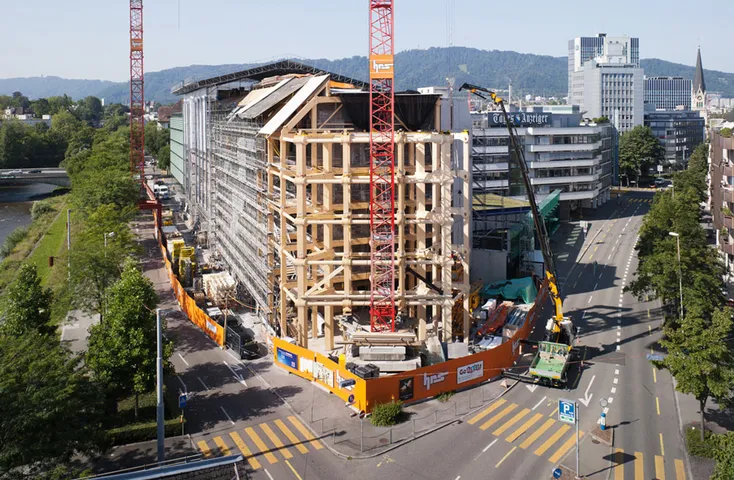
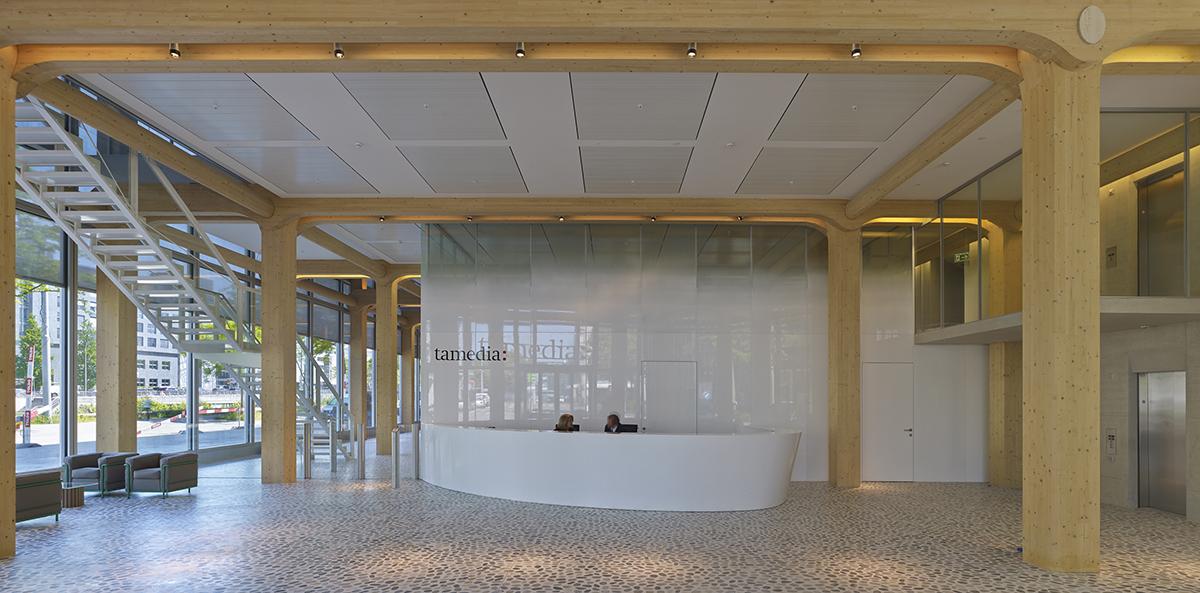
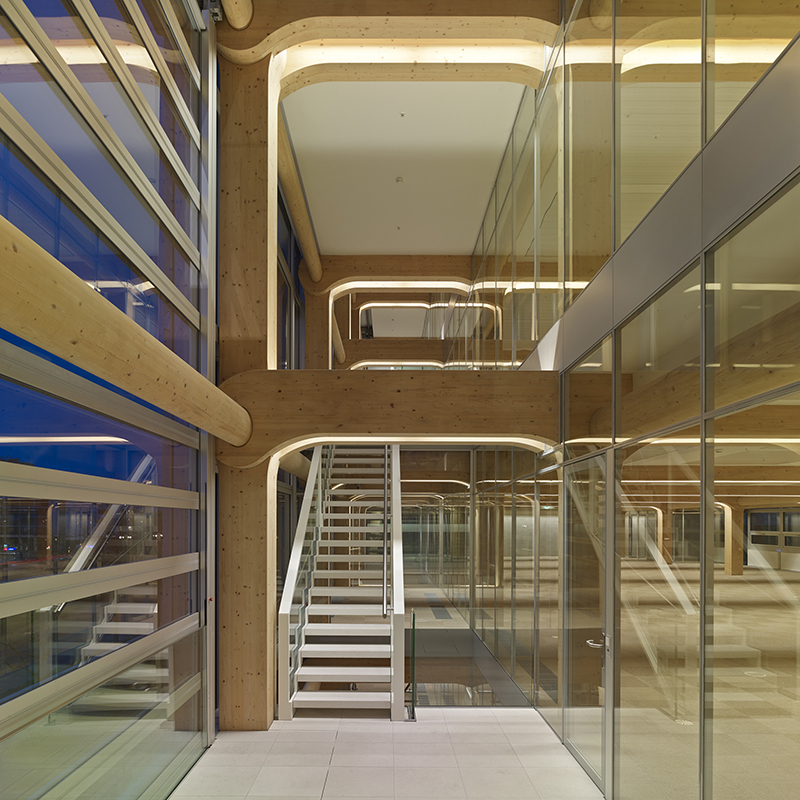
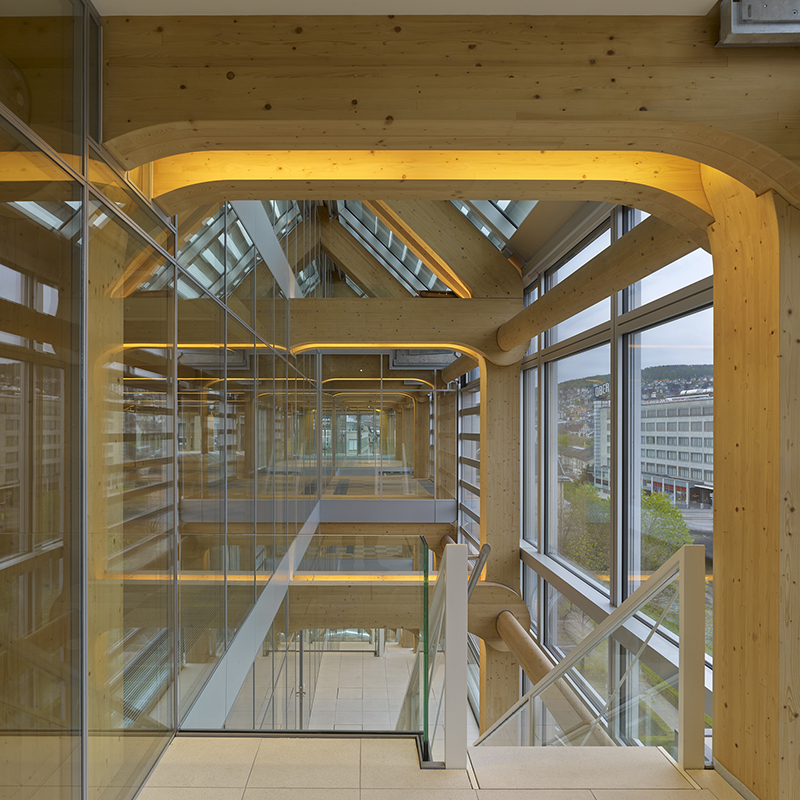
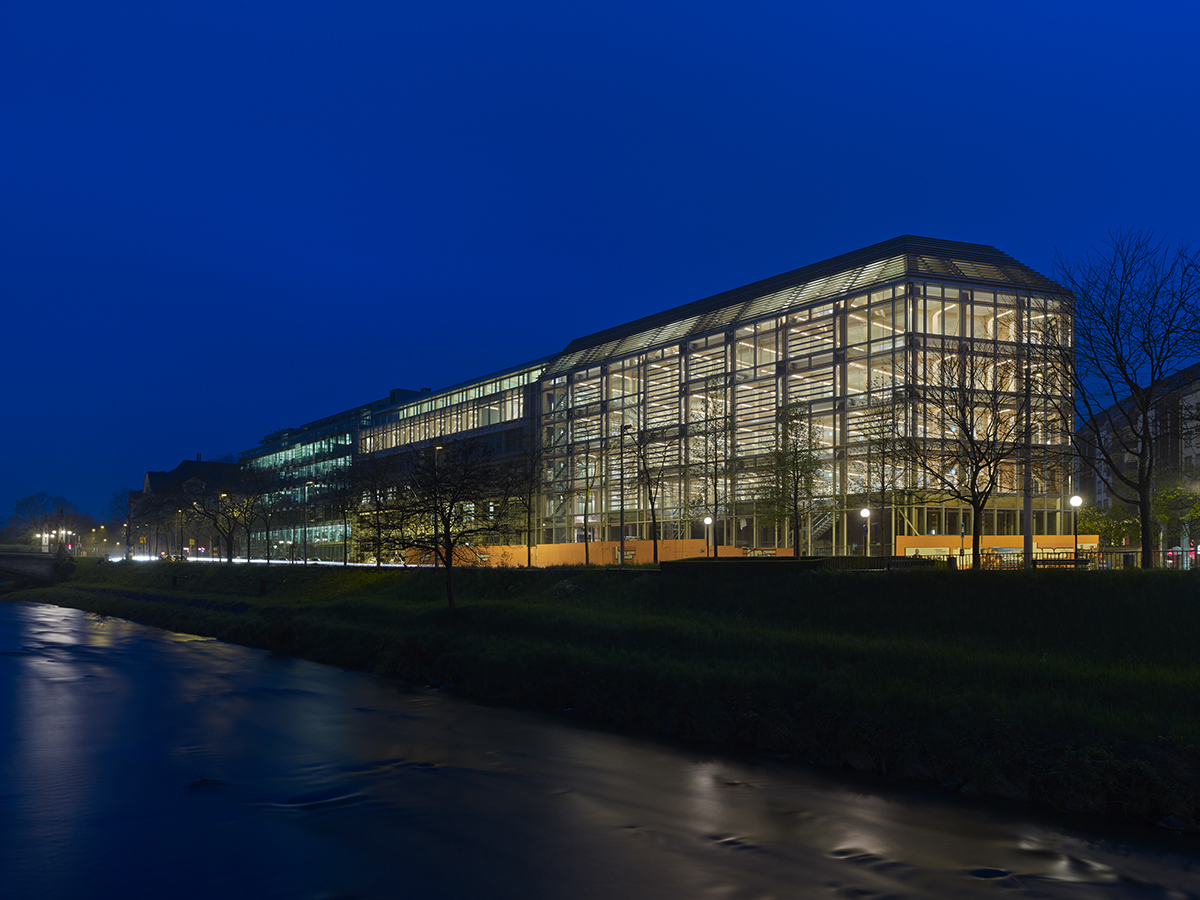
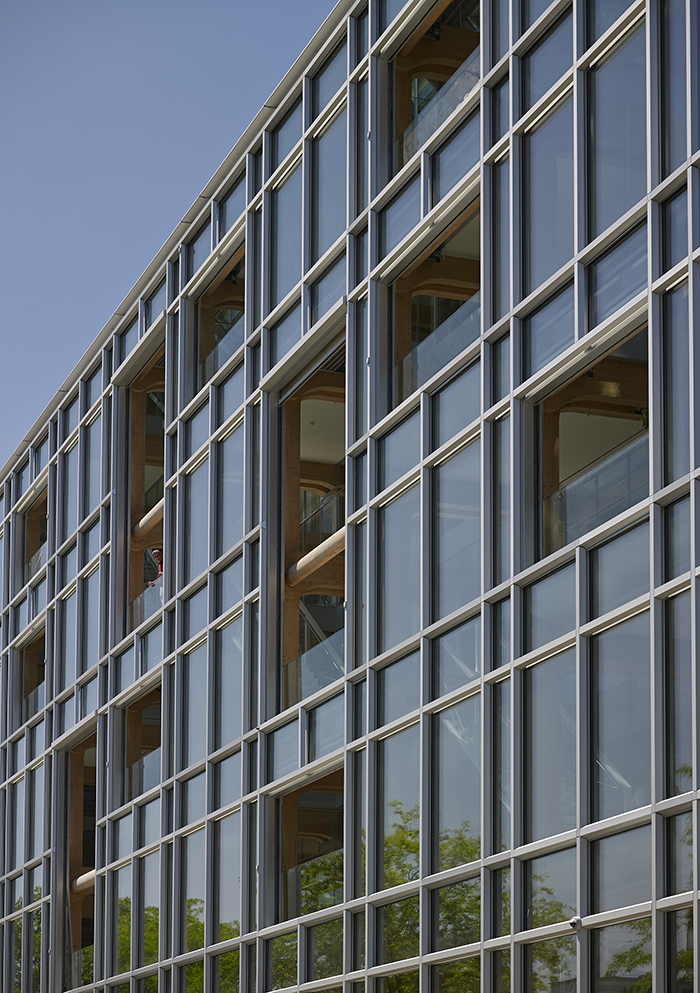
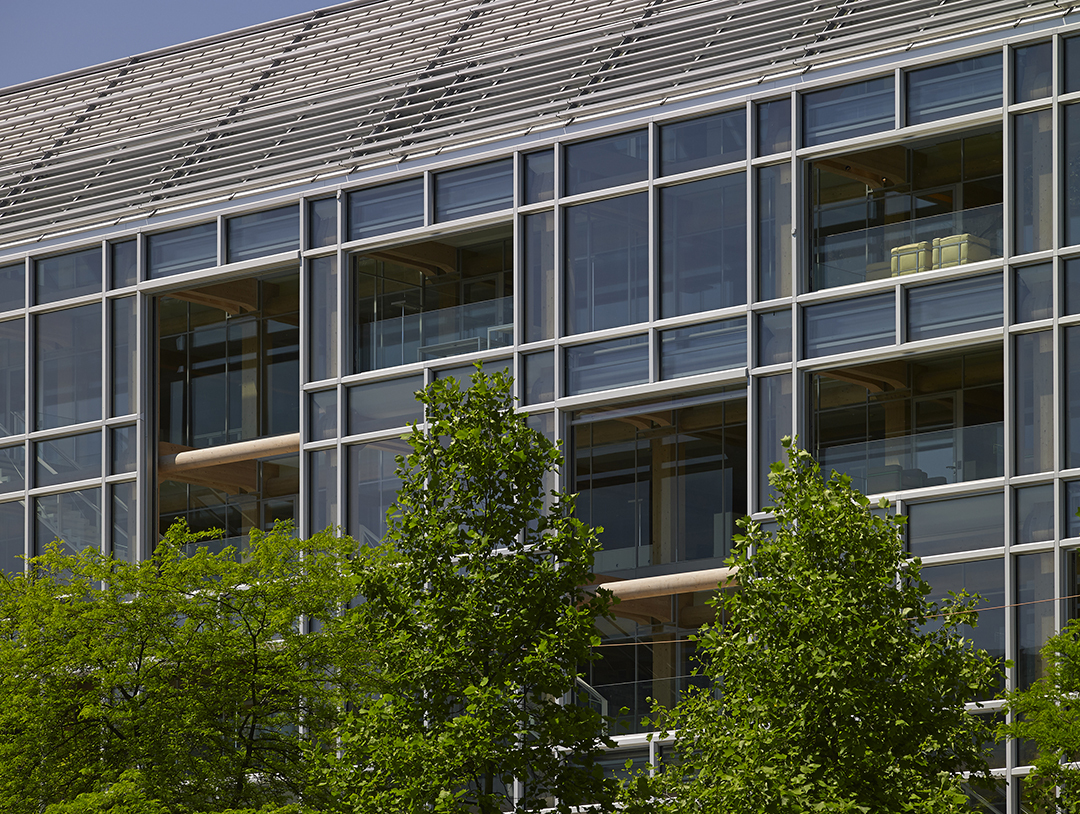
On the Werdstrasse site in Zurich, Tamedia has moved into a new headquarters that is far more than a functional office building. The building by Japanese architect Shigeru Ban is a deliberately staged demonstration of attitude – architectural, ecological and media-related. Pietro Supino, Chairman of the Board of the media group, engaged Ban without a competition because he pursued a clear vision: a building that attracts attention while also embodying values.
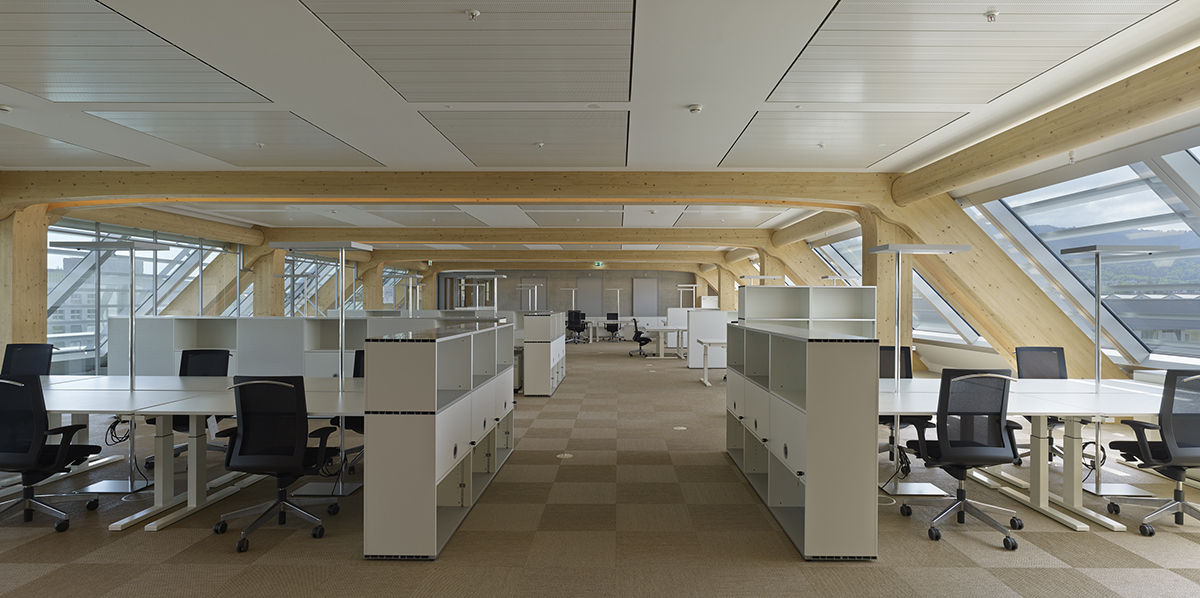
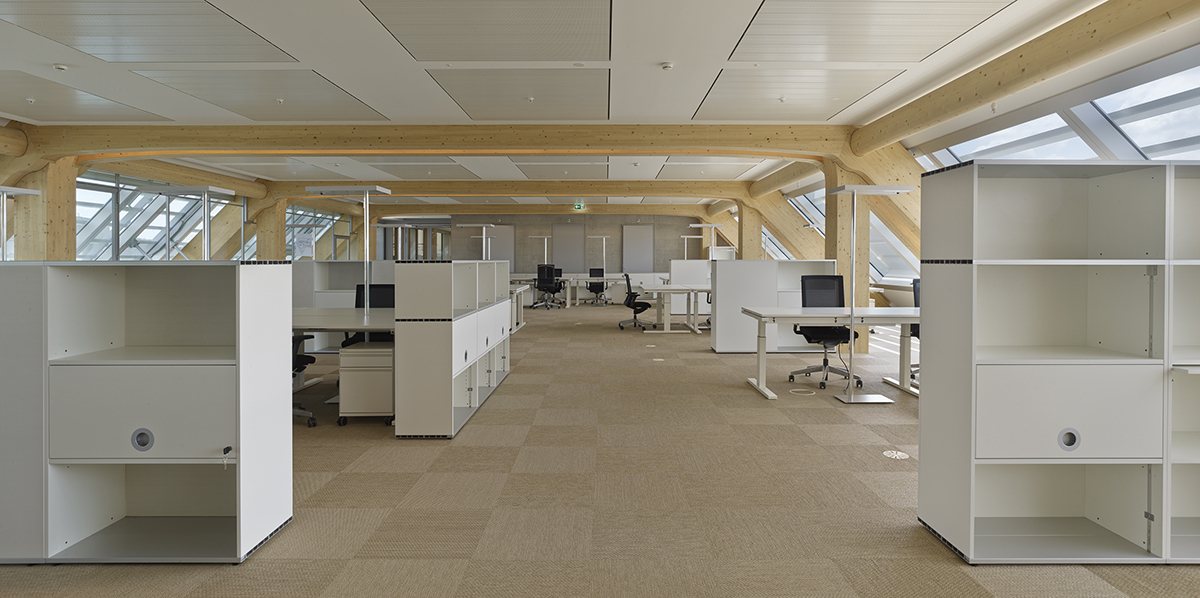
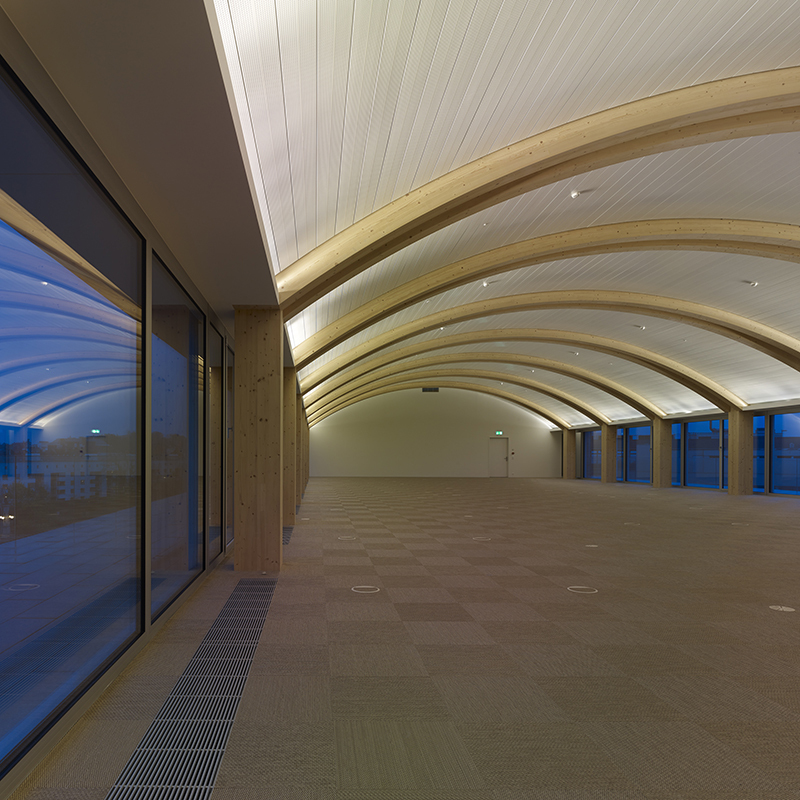
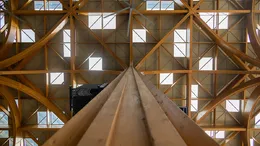
The result is a spectacular wooden structure made of 3600 computer-milled spruce components – a precisely calculated “giant construction kit” that unites precision with warmth. In doing so, Tamedia connects with its own corporate history: where a “glass house” once signaled transparency and modernity, the new “wooden house” now communicates progress, openness, ecology and sustainability. Architecture here becomes corporate language.
The idea that media companies view their buildings as vehicles of public impact is not new. As early as 1922, the Chicago Tribune launched an architecture competition – initially aiming to erect the tallest building in the world, later the most beautiful. Attention was the top criterion, ahead of function or cost-effectiveness. The resulting “Tribune Tower,” despite its historicizing neo-Gothic style, became an effective landmark for both the newspaper and the city. Criticism of its form faded in the face of the monument’s radiance.
The example shows that architecture holds special significance for media companies. It conveys values, generates public visibility and translates editorial self-understanding into urban space. A building can signal ambition even before a single line is printed or a broadcast is aired.
In Switzerland, architectural awareness in the media world long remained the exception. Many publishing houses and broadcast studios are faceless functional buildings that barely transcend their pure utility. All the more remarkable, therefore, are the rare counterexamples that illustrate what is possible.
The Ticino radio studio in Lugano is one such case – an architecturally valuable building whose future is under threat from SRG sale plans, despite being protected as a historic monument. Here, institutional heritage risks being sacrificed to economic considerations.
The SRG chose a different path with the “Chasa RTR” in Chur. The media house for the Romansh-language editorial team sees itself as part of the urban fabric: a publicly accessible forecourt, views into the studios, program content projected onto the sidewalk – and a spatial connection with the city administration. The building is not a monologue but a dialogue with the public.
The contrast with Tamedia’s Zurich building is telling. While Shigeru Ban’s timber construction is conceived as a highly visible, publicity-effective landmark that draws the eye, the “Chasa RTR” places its architecture more in the service of the urban community. Both approaches are legitimate – and both, in their own way, speak an unmistakable language about the institution behind them.