19 Jul 2026
,Switzerland
Rising electricity costs are reshaping commercial priorities in Singapore's property sector, pushing a growing number of private developers to treat low-carbon materials and energy-efficient design as financially sound investments rather than philanthropic gestures. The shift aligns with Singapore's Green Building Masterplan, which sets a target of having 80% of buildings meet higher efficiency and sustainability standards by 2030. Increasingly, the calculus is straightforward: reducing a building's recurring energy consumption directly improves its bottom line.
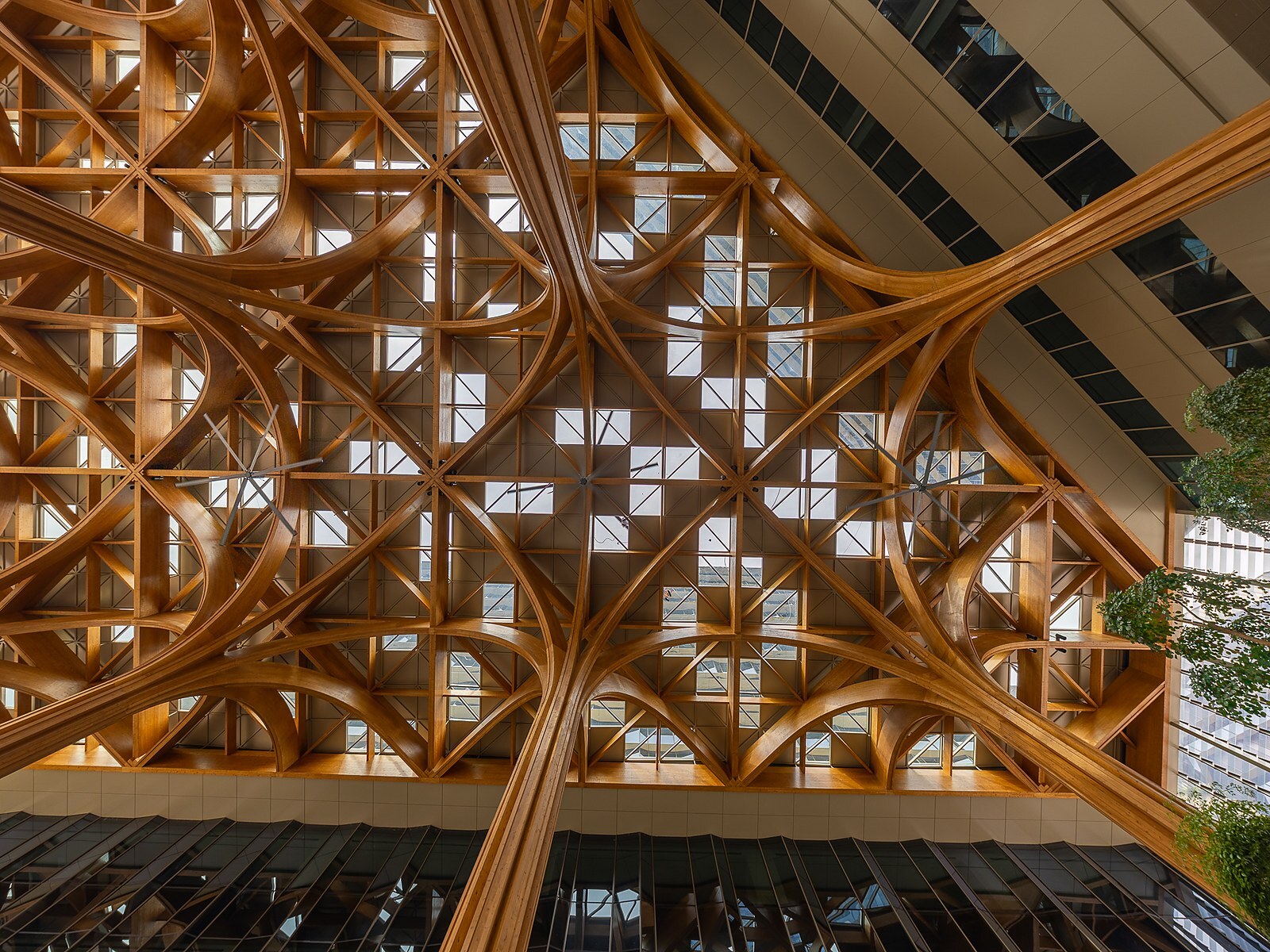
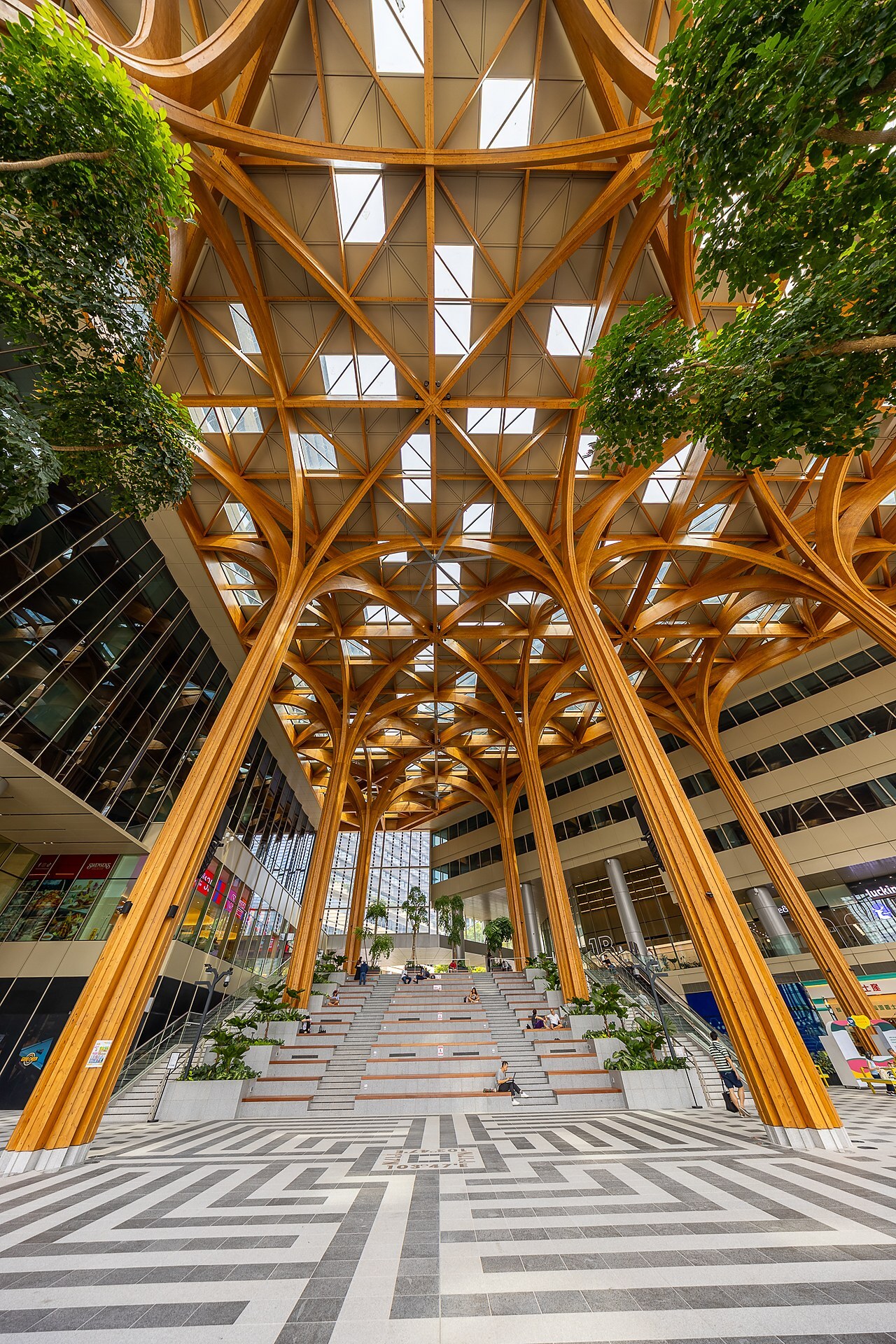
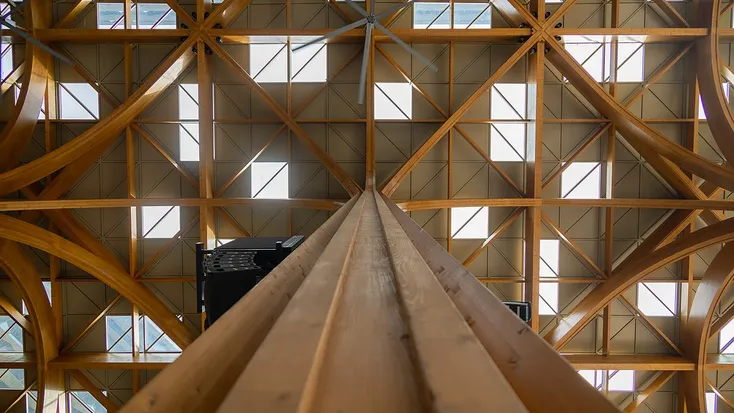
Few projects illustrate this convergence of environmental ambition and commercial logic more strikingly than CapitaLand Development's Geneo precinct at Singapore Science Park. The $1.4 billion development is anchored by The Canopy, a 27-metre mass-engineered timber structure that its developer claims is Southeast Asia's tallest single-span timber structure. Spreading across a 3,000-square-metre plaza, the semi-outdoor structure physically links five buildings and sets the tone for what CapitaLand describes as an interconnected ecosystem covering roughly 180,000 square metres — conceived from the outset as a unified district rather than a collection of individual towers.
The environmental credentials are substantial. CapitaLand estimates that using mass timber rather than conventional materials reduces construction-related carbon emissions by up to 80% compared with structural steel and up to 60% compared with reinforced concrete. Beyond embodied carbon, the structure's shading, strategic orientation and slow-moving fans mean that air-conditioning consumption in the plaza runs approximately 60% lower than it would in a fully cooled equivalent space — a saving with direct and recurring financial consequences.
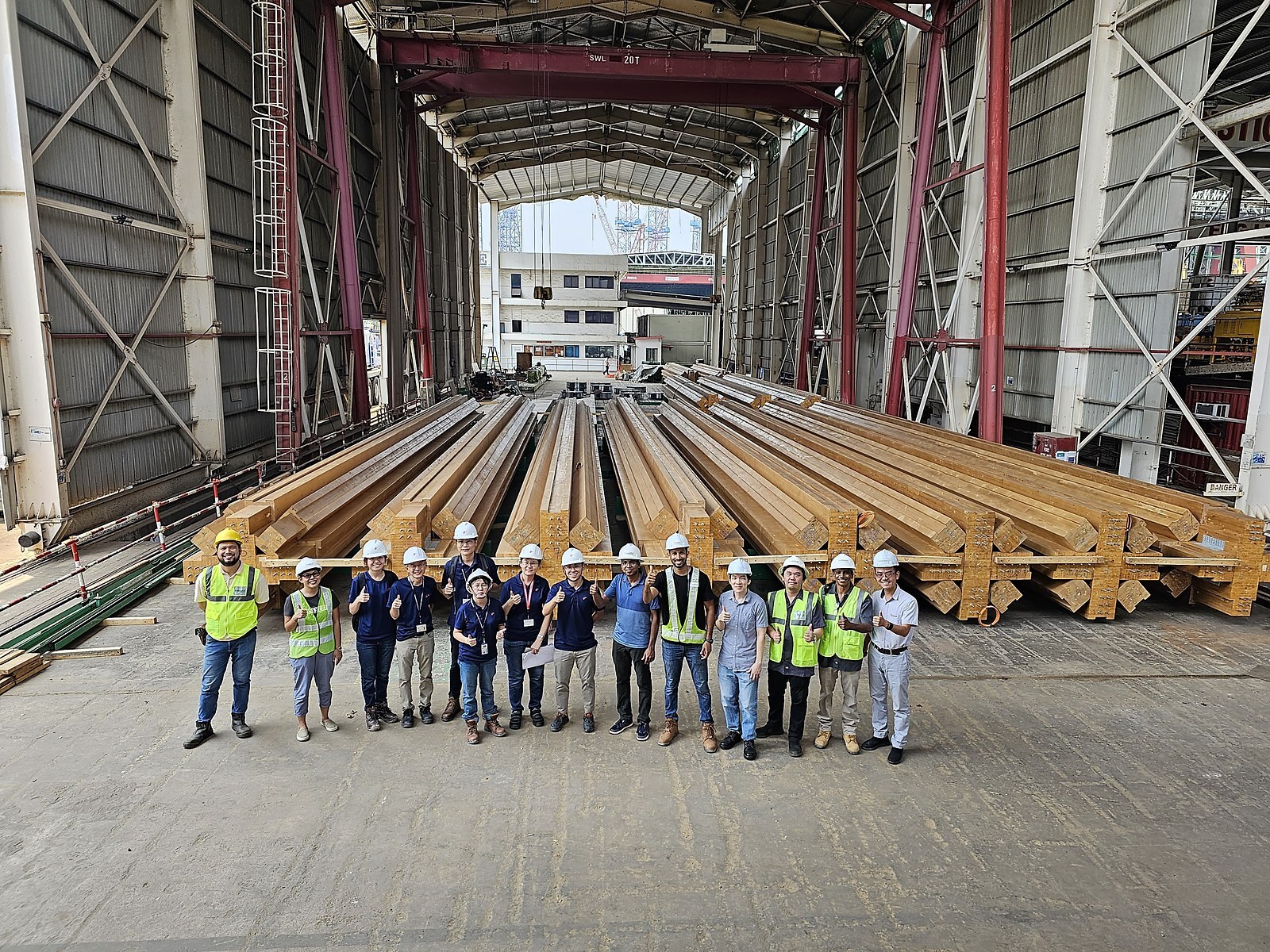
The structure was fabricated from more than 1,150 cubic metres of PEFC-certified spruce glulam produced by Finnish manufacturer Versowood Oy. Around 780 timber components and roughly 80 tonnes of custom steel connectors were then shipped to Singapore in a flat-packed configuration, a logistical decision that proved as pragmatic as it was novel.
"For logistical efficiency and to manage costs, we shipped the components to Singapore flat-packed." — CapitaLand Development project team
Once on site, the components were assembled in five months. Main contractor Woh Hup acknowledged that initial scepticism within the local construction industry about timber's suitability for a structure of this scale was ultimately dispelled by the material's demonstrable engineering performance.
Singapore's efficiency drive does not stop at the building perimeter. At Punggol Digital District, JTC Corporation has deployed a shared district cooling system that pipes centrally chilled water to an MRT station, retail areas, business-park buildings and the Singapore Institute of Technology campus. JTC says the arrangement can reduce energy consumption by up to 30% compared with conventional building-by-building cooling, while the consolidation of chiller plant frees rooftop and façade space that individual buildings would otherwise surrender to their own mechanical equipment — space that can instead accommodate solar panels.
The planning process was equally methodical. Wind flow and solar radiation across the district were modelled before construction began, allowing buildings to be positioned for maximum natural ventilation. More than 20,000 sensors now monitor temperature, air quality and energy use in real time across the precinct, providing the data needed to fine-tune performance continuously.
This district-scale thinking reflects a broader shift in how Singapore's development industry views sustainability certification and low-carbon design. Melvin Tan of LAUD Architects notes that Green Mark accreditation, introduced in 2005, was initially regarded by many developers as little more than a compliance exercise. Today it functions as a genuine selling point for buyers and tenants. Tan estimates that between 20% and 30% of private developers now voluntarily pursue standards that exceed regulatory requirements — and that the primary motivation is not environmental goodwill but the hard economics of power bills. As energy costs continue to climb, the appetite for efficient, low-carbon development looks set to grow with them.