
25 Jun 2026
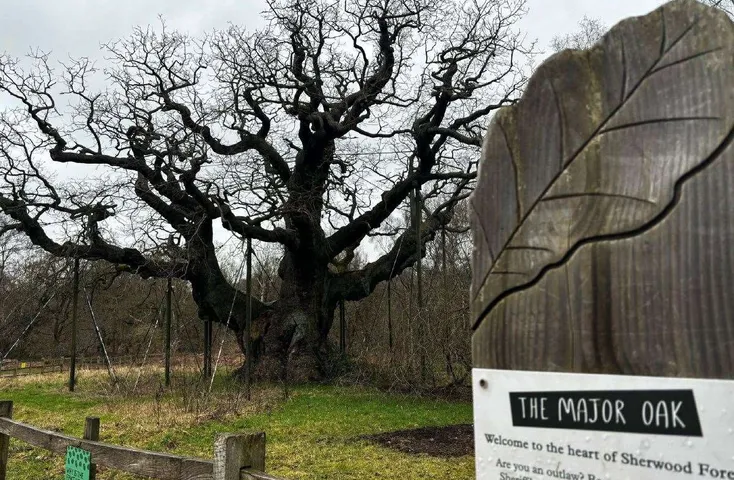
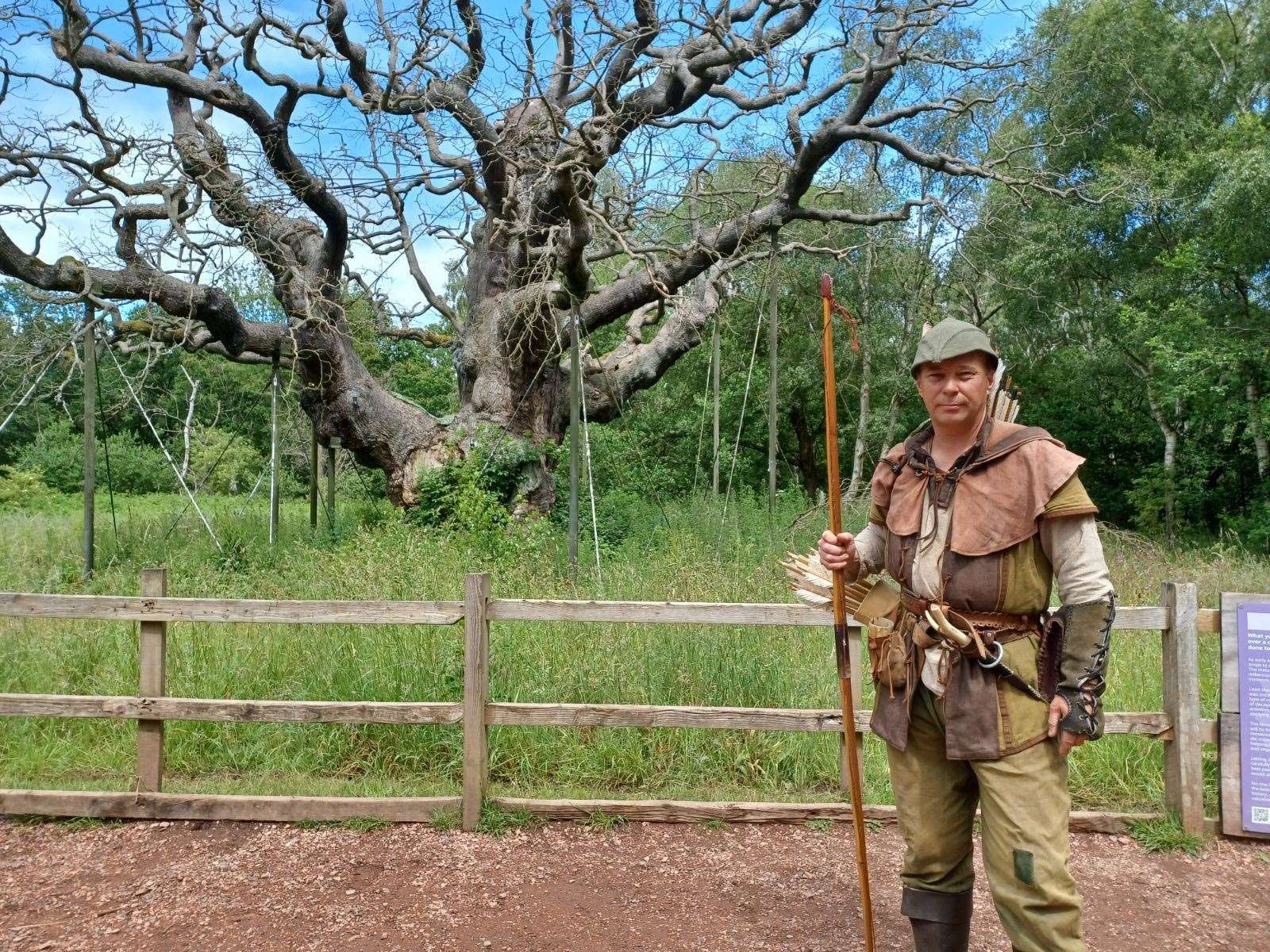
The Major Oak, one of England's most celebrated trees and a living symbol of the Robin Hood legend, has died after failing to produce new leaves this spring. Scientists confirmed the loss of the ancient Sherwood Forest giant, which had stood for up to 1,200 years, outlasting kingdoms, conquests, and centuries of English history.
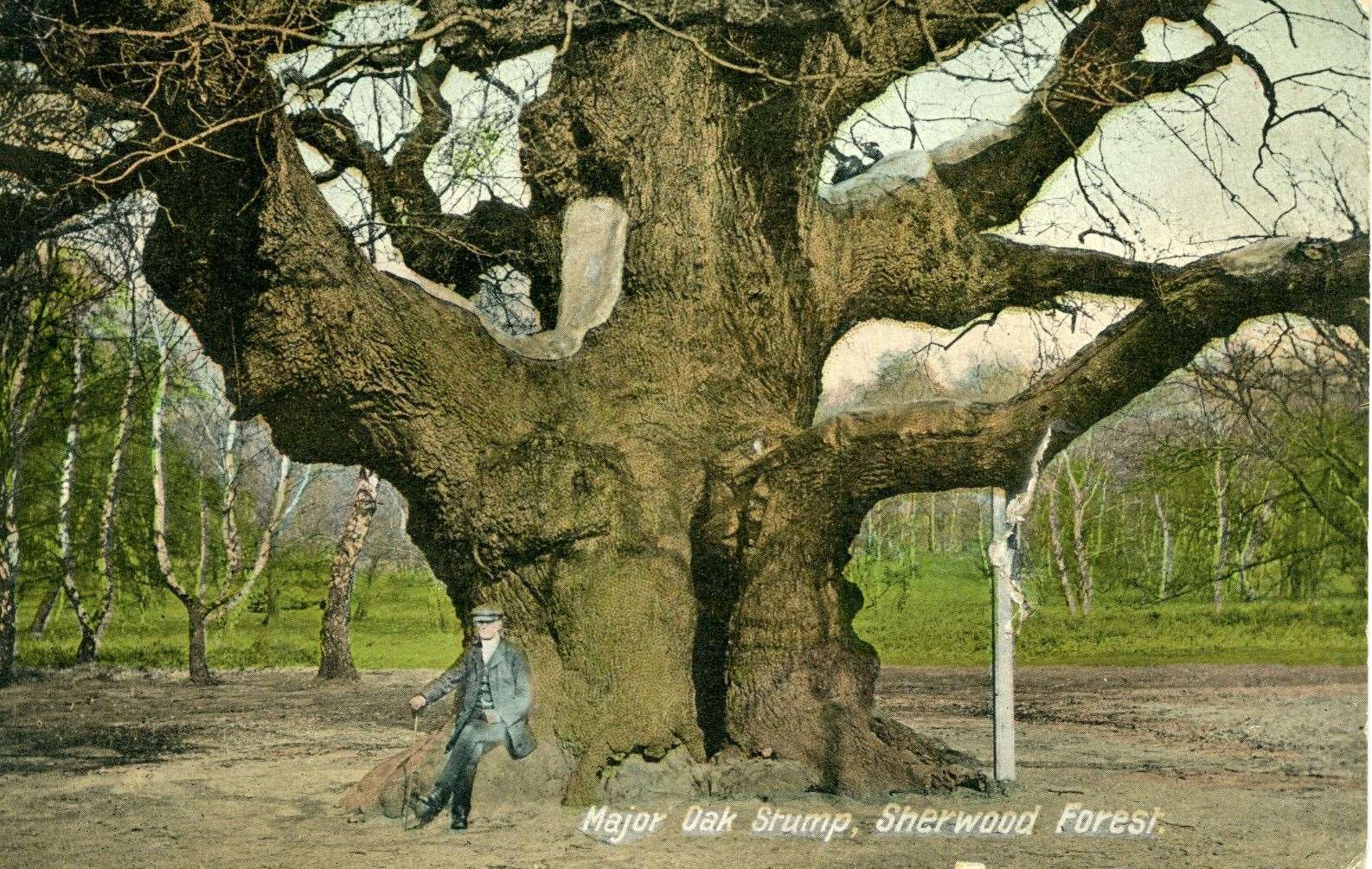
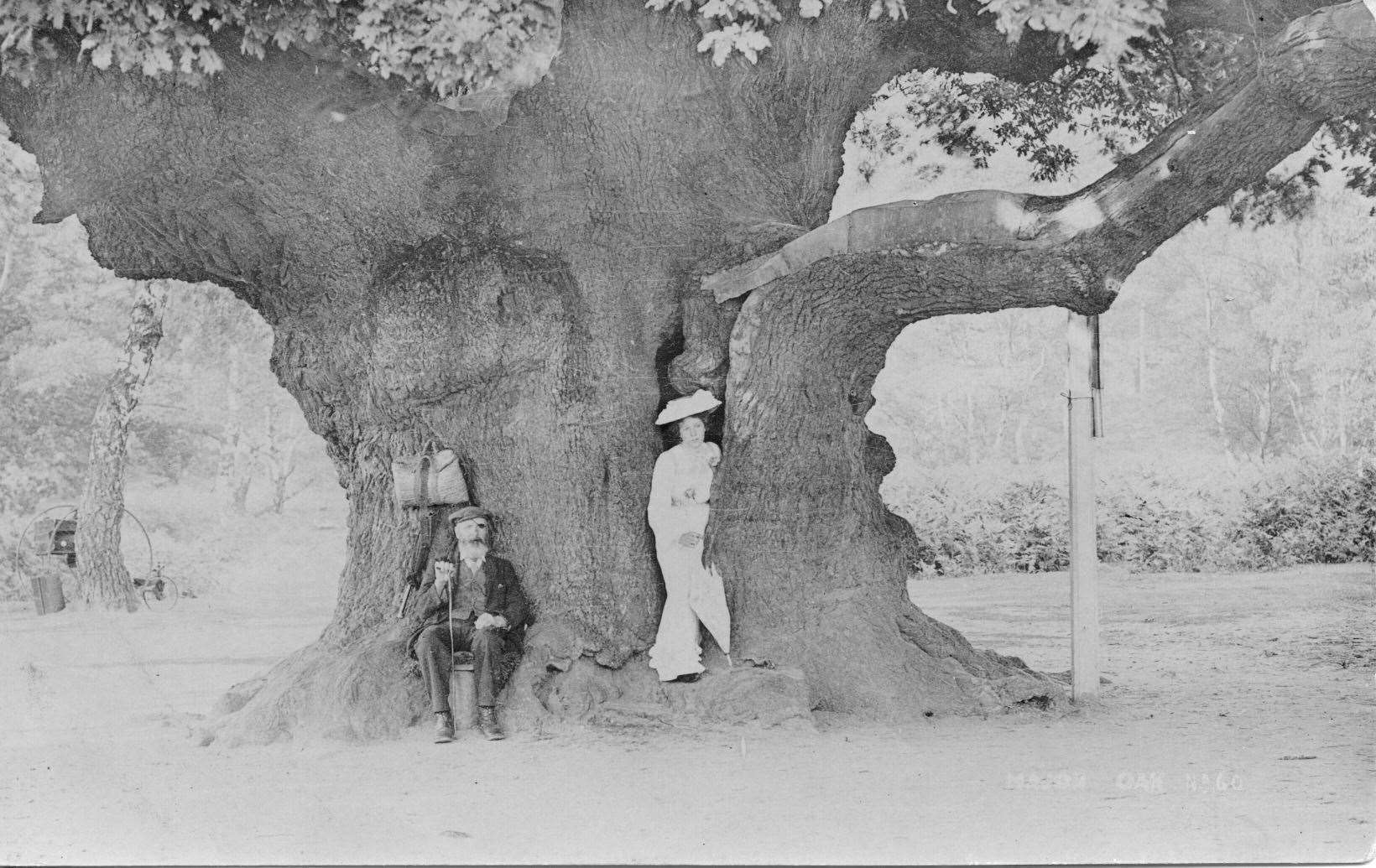
The tree's modern fame dates to 1790, when Major Hayman Rooke wrote about it, drawing curious visitors to Nottinghamshire and giving the oak its enduring name. Long before that, it had allegedly sheltered Robin Hood and his outlaws — a legend that made it one of the most visited natural landmarks in the United Kingdom. Its enormous trunk, estimated at up to ten metres in girth, and its sprawling crown became iconic features of Sherwood Forest.
Experts have not identified a single cause of death. Rather, the tree's decline appears to have resulted from an accumulation of pressures spanning generations. Age, climate change, the physical impact of millions of tourists, coal mining beneath the forest floor, and well-intentioned but ultimately damaging earlier interventions — including the installation of branch supports — all played a role. The Royal Society for the Protection of Birds, which has managed the site for many years, worked alongside specialist conservation teams to slow the decline, but the damage proved too deeply entrenched to reverse.
Recent conservation efforts focused on the soil beneath the tree's canopy, which had been compacted by the footfall of countless visitors over decades. Investigations by SoilBioLab specialists found conditions in places as hard as concrete, effectively cutting off the root system from the water and nutrients it needed to survive. The soil was also found to be naturally poor, meaning the roots had been struggling long before the most recent interventions began.
Some attempts to improve conditions showed tentative signs of progress, but conservationists acknowledged that deterioration had advanced too far. Changes to the local water table caused by historic coal mining further weakened the tree's resilience, while a succession of hot, dry summers delivered additional blows. The record-breaking heat of July 2022, when temperatures in the United Kingdom reached 40°C for the first time, is believed to have significantly worsened the Major Oak's condition in its final years.
Despite its death, the Major Oak will not disappear from Sherwood Forest. Its trunk and crown are so vast that the standing dead tree is expected to remain in place for generations, serving as a natural monument and a habitat for wildlife. The decaying wood and existing cavities will provide refuge for rare invertebrates, nesting birds, and other species that depend on ancient trees for survival. Planned work around the base of the tree will continue, aimed at improving soil health and broader forest biodiversity.
The RSPB has stressed that the tree's genetic legacy is already being preserved. Acorns and cuttings have been cultivated into saplings, some of which have been planted at sites around the world, with the expectation that they will eventually mature and produce acorns of their own. Representatives of the organisation said the knowledge gained from years of caring for the Major Oak would inform the protection of other ancient and veteran trees across the United Kingdom and beyond.
Conservation organisations have used the moment to press for stronger protections for ancient trees more broadly. The Woodland Trust warned that recording these trees is not enough, and that active stewardship backed by legal safeguards is urgently needed.
"Ancient trees like the Major Oak are the 'conservation white rhinos of the UK' but their decline is far less visible." — Woodland Trust
The death of the Major Oak is being received not only as the loss of a natural and cultural landmark, but as a cautionary signal. How ancient trees are treated today — the soil beneath them, the climate around them, the legal frameworks that do or do not protect them — will determine whether any survive long enough for future generations to stand beneath them.