5 Jul 2026
,Australia
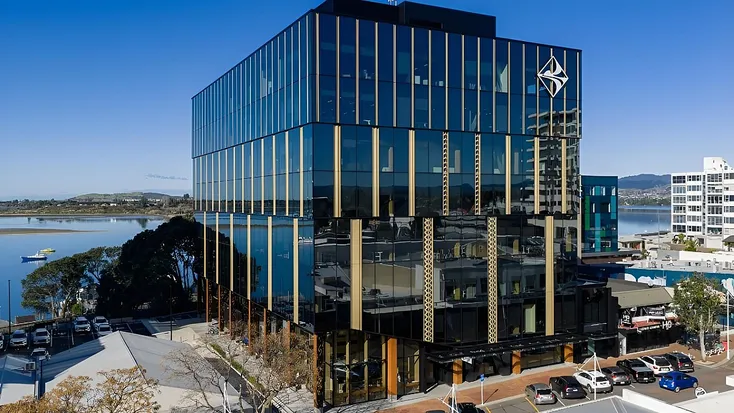
A mass timber office building housing Tauranga City Council has claimed the top prize at New Zealand's premier property awards, taking home three trophies including the night's highest honour.
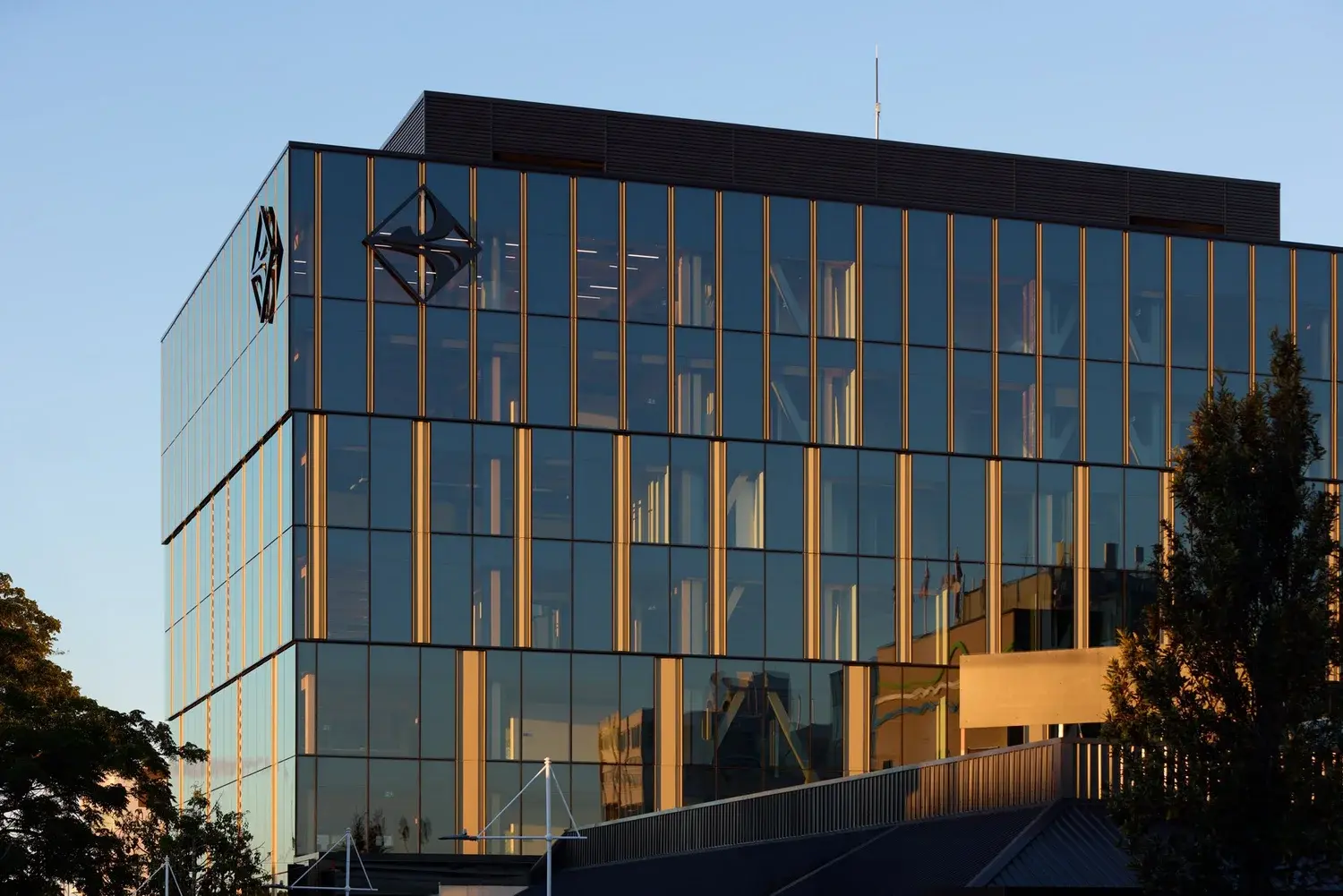
Mareanui, an eight-storey engineered timber building spanning 10,400 square metres, won the Rider Levett Bucknall Supreme Award at the 2026 Property Council New Zealand Property Industry Awards, held in Auckland. Selected from a field of 133 entries, it also claimed the Resene Sustainable Building Property Award and the RCP Commercial Office Property Award, making it the most decorated entry of the evening.
The project was developed by Willis Bond, constructed by LT McGuinness, designed by Warren and Mahoney, and is owned by Property Income Fund. It reunites more than 850 council staff under one roof for the first time since 2014.
"Property has always been about more than bricks, mortar and balance sheets," said Property Council chief executive Leonie Freeman, framing the win as evidence of what public and private partners can achieve when focused on long-term value.
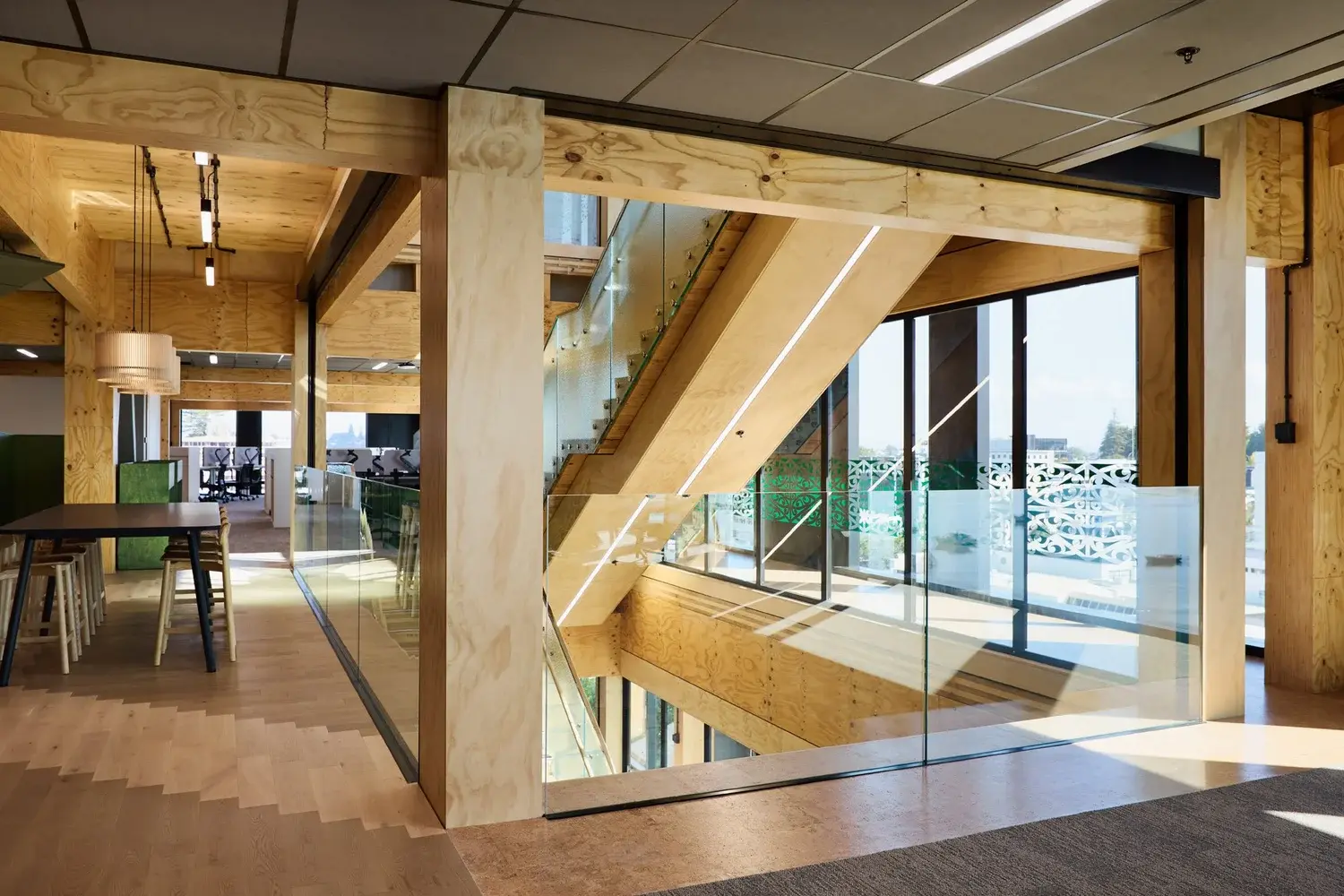
Mareanui incorporates more than 2,700 cubic metres of cross-laminated timber and 900 cubic metres of laminated veneer lumber, both sourced from Rotorua and Nelson. The building cuts lifecycle carbon emissions by 60 per cent compared with a conventional equivalent and stores more than 2,700 tonnes of CO2 within its structure. As an all-electric building, it is expected to reduce operational carbon by a further 70 per cent.
The project has achieved a 6 Star Green Star Design rating and is targeting both 5 Star NABERSNZ and WELL Gold certification. Its timber-hybrid structure employs steel bracing to manage seismic and wind loads — a configuration its designers suggest could serve as a replicable model for higher-risk cities such as Wellington and Christchurch. The lighter timber frame also halves foundation loads on what is acknowledged to be difficult ground, a meaningful advantage in the region.
Thermal modelling informed a façade design that delivers daylight to more than 85 per cent of occupied floor area, while a rainwater harvesting system reduces potable water demand by approximately half.
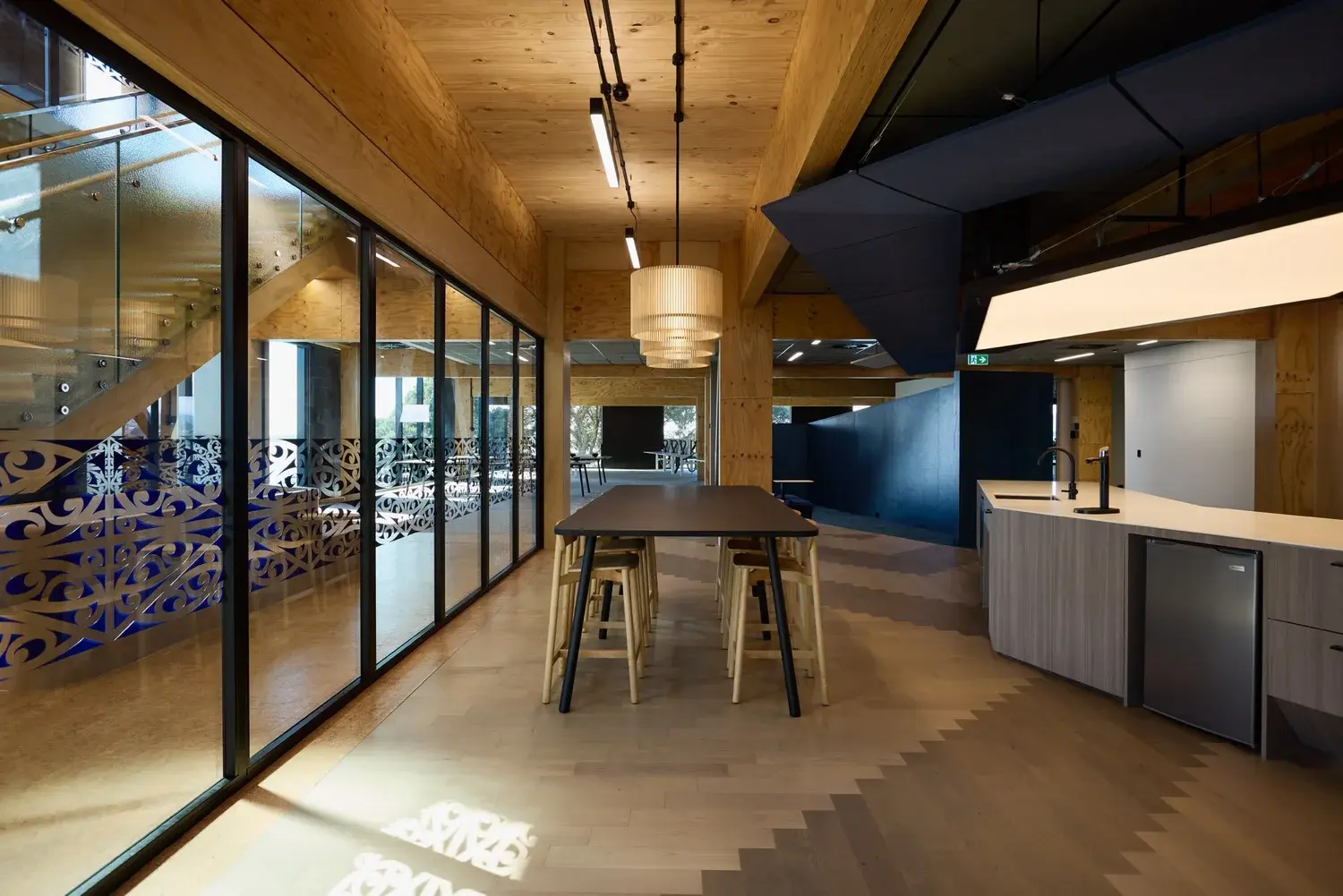
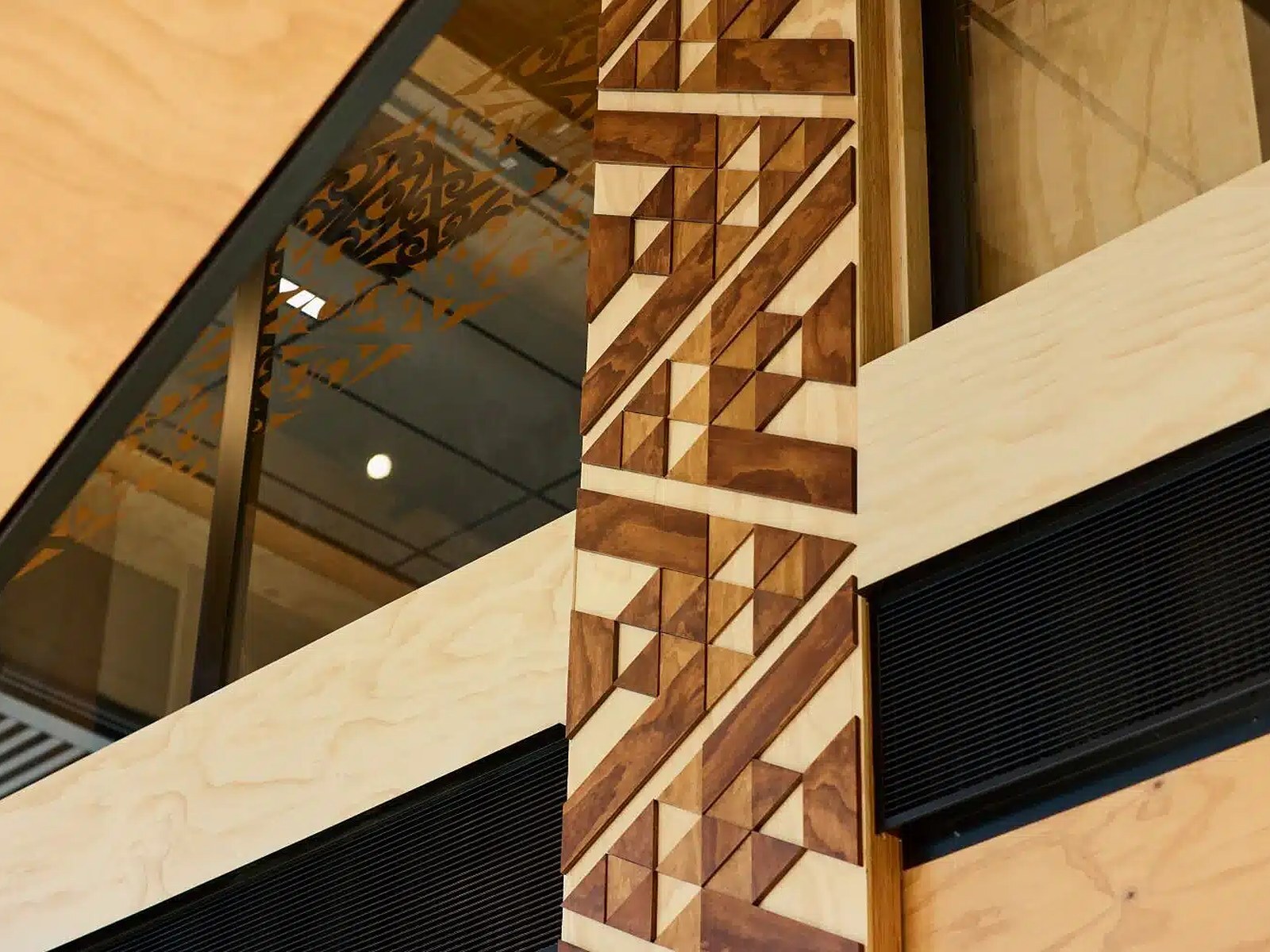
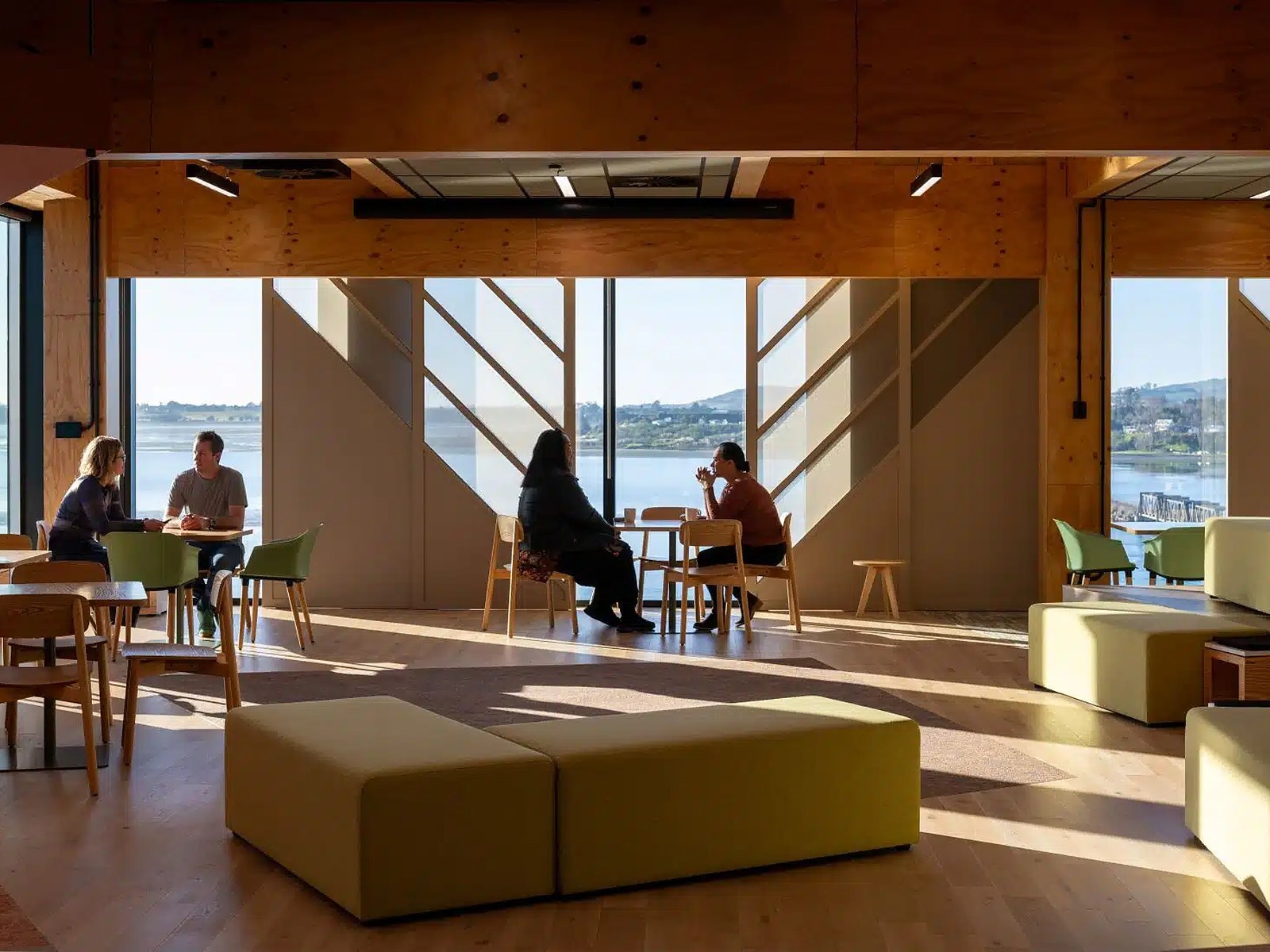
Cultural outcomes were developed in close collaboration with mana whenua, embedding Tauranga Moana narratives into the building's façade, interiors and wayfinding in accordance with Te Ao Māori principles. Exposed engineered timber and warm biophilic interiors define the building's internal character throughout.
Willis Bond's Wayne Silver said the project demonstrated that timber-rich commercial offices could be both cost-effective and sustainable when carefully planned. LT McGuinness's Mark McGuinness noted that the hybrid design reduced carbon emissions by 50 per cent relative to a conventional steel structure, and that 135 prefabricated mass timber piles — supplied by Red Stag — contributed to a construction site that was noticeably quieter, cleaner and more orderly than industry norms.
"This is a project that could easily have been defined by complexity," said chief judge Andy Evans, who described Mareanui as setting a new benchmark for low-carbon commercial development in New Zealand.
The building was delivered on time and under budget, and arrived at the awards fully tenanted and pre-sold — a rare combination that lent additional weight to its recognition in the programme's 36th year.