
19 Jun 2026
,Ukraine
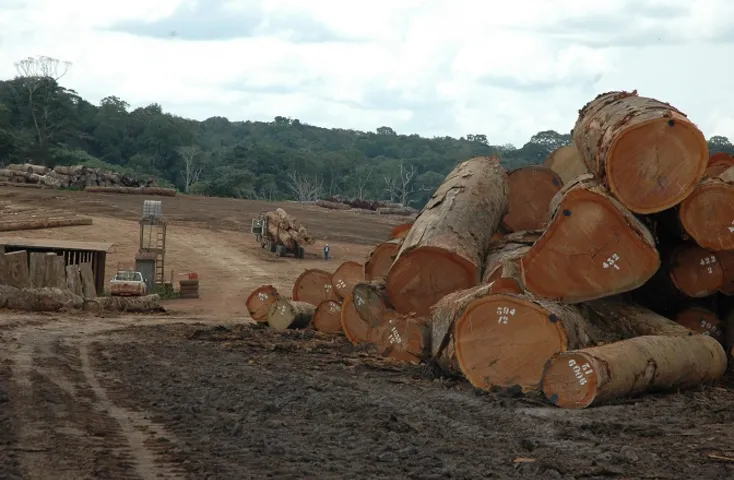
After a beginning of the year marked by caution, the tropical timber market in Central and West Africa is showing tangible signs of recovery. The gradual return of Chinese buyers is the main driver of this improvement, giving renewed momentum to a sector that had been awaiting more encouraging signals. Demand from China focuses notably on okoumé, tali and several red wood species, with exported volumes having risen significantly since the start of the second quarter. Although levels remain below those of the sector’s best years, order books have clearly expanded and FOB prices are edging higher for several species. This improvement is nevertheless tempered by rising logging, fuel and transport costs, which limit the real extent of the recovery for operators.
On the European side, caution remains the watchword. Importers are limiting purchases to immediate needs and avoiding rebuilding stocks until the construction sector shows a clearer recovery. Demand stays weak for species used in outdoor applications and construction projects, with buyers focusing above all on competitive prices and suppliers able to guarantee reliable delivery times.
The situation varies considerably by producing country. In Gabon, favourable weather conditions are supporting forestry activity and facilitating shipments, while the country benefits from both sustained Chinese demand and regular European orders for certain outdoor species. In Cameroon, by contrast, the rainy season is slowing activity and sawmills have limited order books; the Middle East and Asia remain key outlets for several Cameroonian tropical species. In the Republic of Congo, the situation appears more stable: log stocks are comfortable and port operations at Pointe-Noire are running normally.
High logistics costs are among the most pressing challenges facing sector operators. Several shipping lines have raised their rates from Central African ports, and the combined increase in freight and port costs is eroding part of the gains linked to higher FOB prices. Although transport lead times remain relatively stable, these extra costs are affecting the competitiveness of exports, particularly to Europe.
Industry professionals are approaching the second half of the year with measured optimism. Chinese demand remains the main supportive factor for the market, while a genuine European recovery will depend on a clearer rebound in the construction sector. In the short term, price trends will hinge on Asian orders, logistics costs and the availability of the main tropical species. If the Chinese momentum continues to strengthen, the second half could prove more favourable than in 2024.