yesterday at 09:58
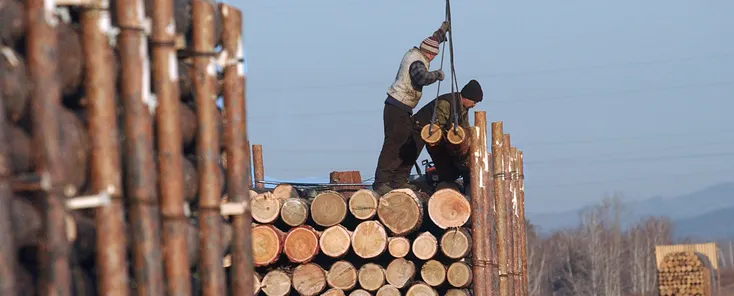
Russian forests are increasingly becoming the focus of interest for Asia’s largest economies. Against the backdrop of restrictions on domestic logging in China and growing demand from India, the taiga of Siberia and the Russian Far East is turning into one of the key resources around which competition is intensifying.
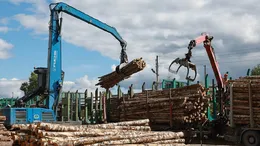
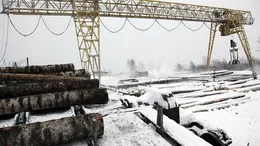
China, which has significantly reduced logging within its own territory, has sharply increased timber imports. Russian forests have become the main source of raw materials for the Chinese woodworking industry. Moscow sells logging permits at low prices, making supplies especially profitable for foreign buyers.
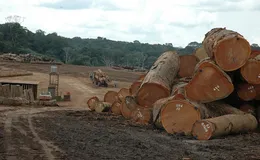
Large-scale logging operations are being carried out across vast territories stretching from Altai to the Pacific coast. In place of destroyed forest areas, huge expanses of damaged land covered with tree stumps and clear-cut zones remain, causing serious harm to regional ecosystems.
At the same time, pressure from India is also increasing. According to sources, New Delhi is seeking agreements with Russia for large-scale logging projects in Siberia and the Far East. After India refused to purchase sanctioned Russian LNG, negotiations on other resource sectors intensified significantly.
The Indian side is promoting long-term contracts for timber supplies and logging operations, effectively linking them to continued cooperation in the oil and gas sector. In Moscow, such demands are viewed with concern, yet the authorities are forced to continue negotiations, as the Indian market has become strategically important for the Russian economy following the loss of much of its Western markets.
India’s main interest lies in access to cheap raw materials and guaranteed supply volumes for many years ahead.
The forests of Siberia and the Far East are facing the greatest risks, as Chinese logging companies, gray-market intermediaries, and contractors connected to regional elites are already operating there. Transparency in the industry remains low, while oversight of logging activities is insufficient and fragmented.
Industry representatives warn that the combination of growing Chinese demand and potential large-scale Indian contracts could significantly accelerate the depletion of forest resources. Among the most likely consequences are an increase in forest fires, soil degradation, destruction of ecosystems, and further criminalization of the timber industry.