19 Jul 2026
,Switzerland
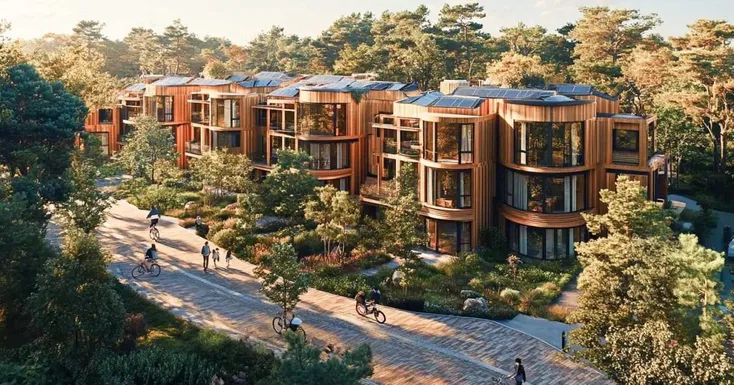
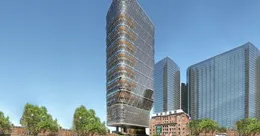
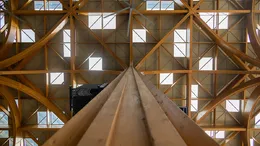
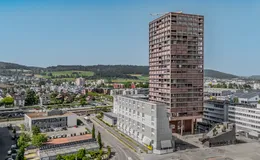
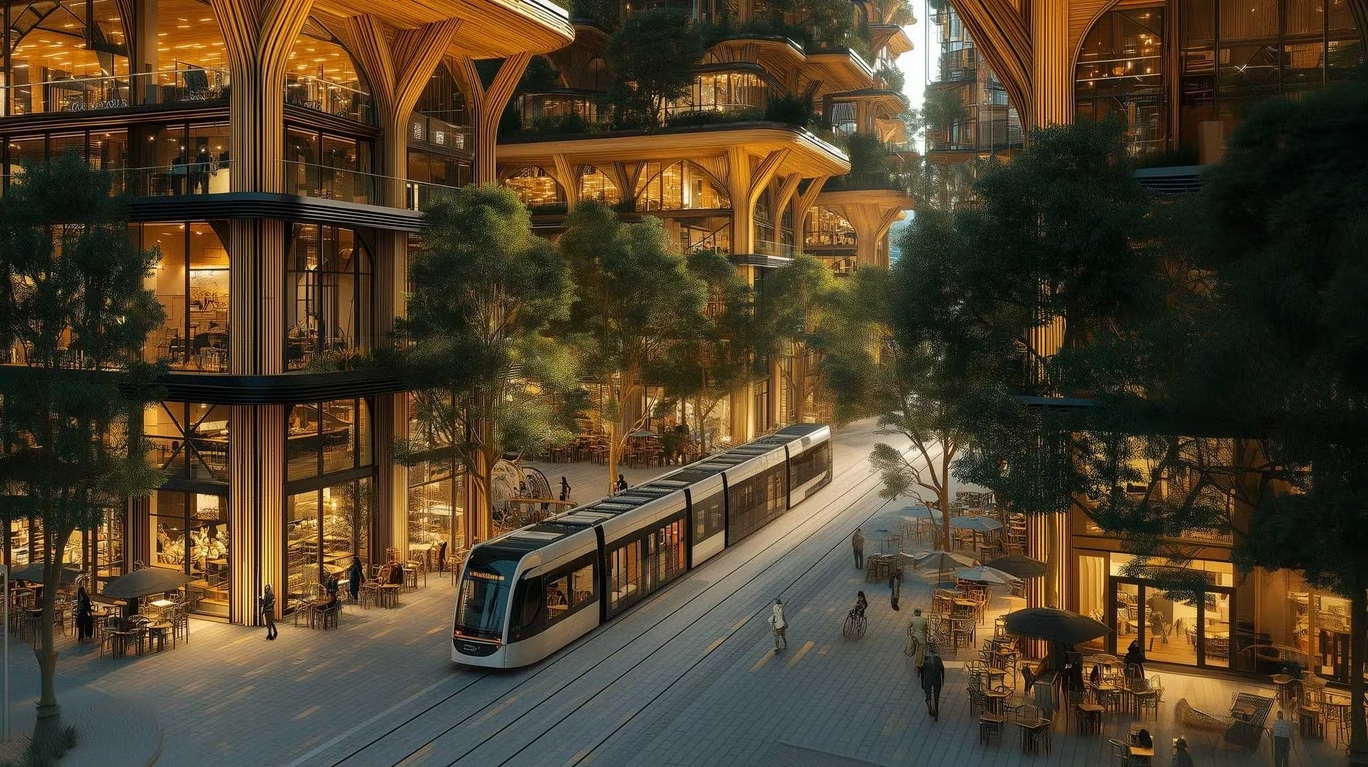
Tall skyscrapers made of wood instead of glass, 12,000 acres of new woodland and four-bedroom family homes for £350,000 are just some of the things on offer at Forest City 1, a brand new development that could be the answer to Britain’s housing crisis. Set amidst nature, the city promises a radical new approach to urban living – and could be the country’s first new city in more than half a century.
If the project goes ahead, Forest City will be the size of Bristol but will have more than twice the population. Compared to the current population of the West of England – around 494,400 – the new city could be home to up to 1 million people. It is the most ambitious urban development plan since Milton Keynes in 1967.
The exact location is still being finalized, but the city is tentatively planned to be built east of Cambridge — between Newmarket and Haverhill in Suffolk. One of the key tasks is to create an efficient transport system: frequent trains to Cambridge and London and buses running every 15 minutes.
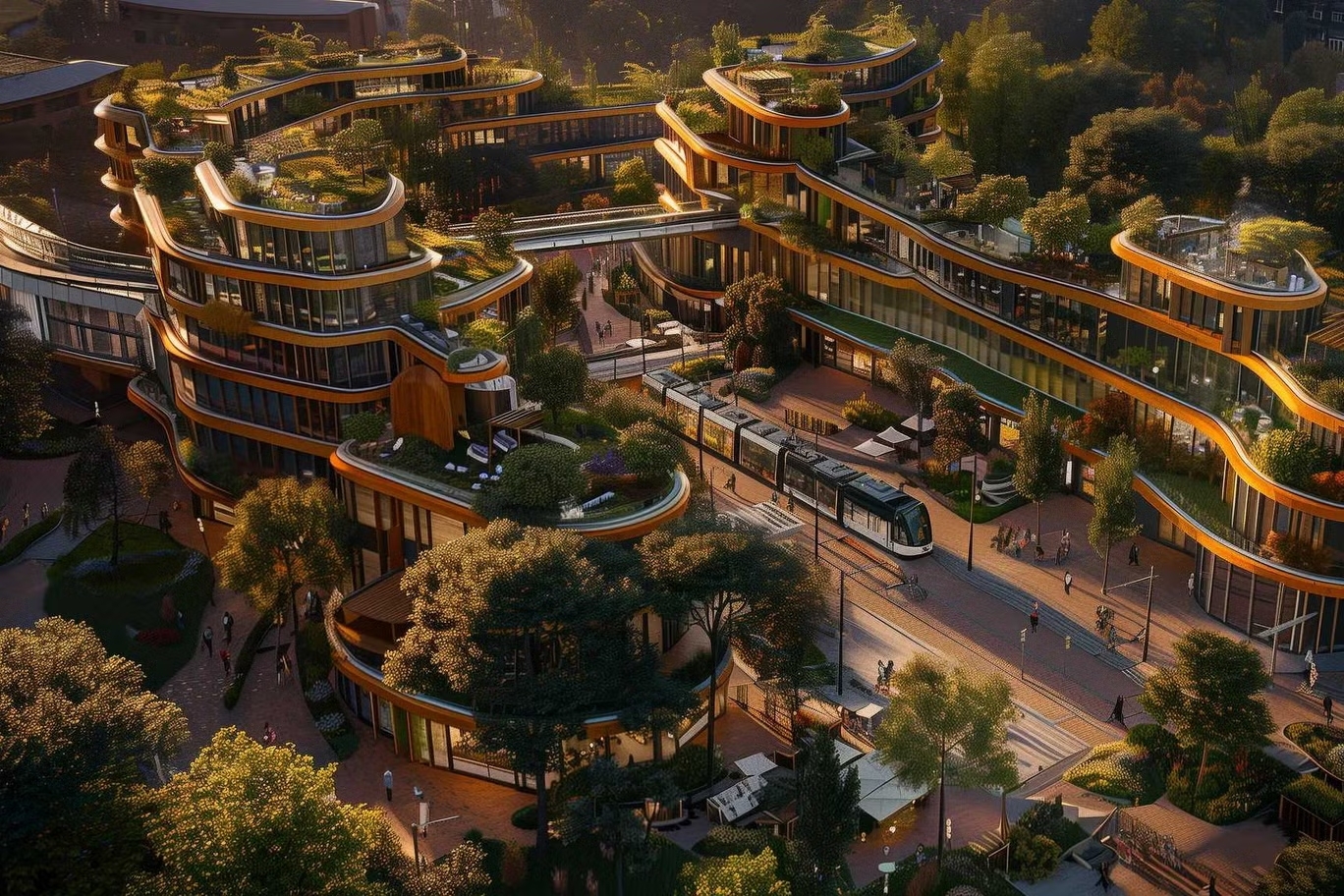
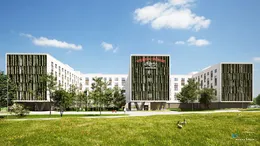
Forest City is to be much more than just a housing estate. The plans include pedestrian areas, modern architecture, 12,000 acres of new woodland, as well as schools, hospitals, parks and other necessary infrastructure — to create a full and comfortable urban environment.
"The UK needs a lot more housing, and it needs to be in the right places… the area around Cambridge — one of the best options’, — explains Professor Tim Leunig, a former housing adviser to two chancellors and three ministers. He adds that using public land will allow for rapid construction — as in the days of the Industrial Revolution.
Dame Patricia Hewitt, former Secretary of State for Trade and Industry, praised the scale of the plan:
«Building a new city may seem audacious, but it is decisions like these that make national renewal real… If it is created in true partnership and with a focus on people, it can open up new opportunities for future generations.
The need for such projects is clear: the UK is experiencing a deep housing crisis. The cost of property has become unaffordable for many young people who have found themselves in the “Generation of Renters” unless they have inherited a home. In London, 30.1% of homes are now rented to private owners — a record since 1971.
The construction of social housing has fallen sharply: in the 1950s, more than 200,000 such homes were built in England each year, while in 2023-2024 — only about 10,000. The “Right to Buy” policy has also helped to shift council housing into the private sector: over 40% of homes sold under the scheme are now owned by private landlords.
The Forest City project is estimated to cost £100 billion. Four-bedroom homes will cost around £340,000 — cheaper than similar homes in Cambridge but still above the UK average (£270,000). The project is currently in the first of five phases — and is being assessed for public support via a petition.
Forest City continues the tradition started by the New Towns Act 1946, which created Stevenage, Crawley, Harlow, Milton Keynes and Peterborough. Under Sir Keir Starmer's government, the Labour Party has been supporting the creation of new settlements, with work planned to start on 12 sites before the next general election. Three of these - Tempsford in Bedfordshire, Crewe Hill in north London and South Bank in Leeds - have already been identified as priorities.