8 Jul 2026
,Ukraine
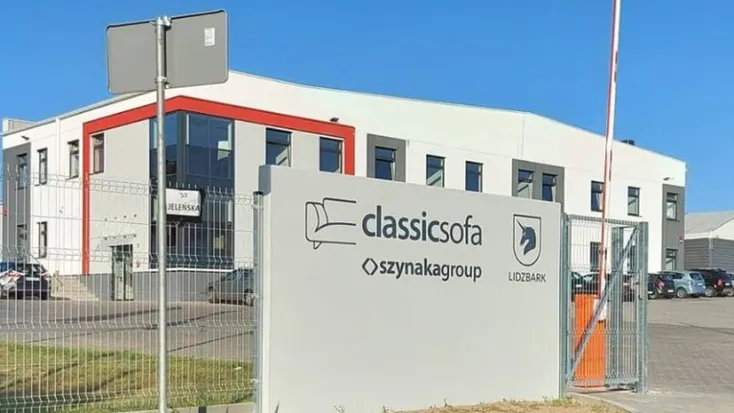
Group layoffs are underway at the Classic-Sofa plant belonging to the Szynaka Furniture Group. A total of 76 employees will be affected by the employment reduction. The District Labor Office in Działdów was informed of the intention to carry out the layoffs on April 28, and a subsequent letter announced 30 further reductions planned for the end of June.
The company explains the decision with the difficult situation in the furniture market and the need to reorganize the company's structure. As representatives of the group emphasize, the actions taken are aimed at adapting the company to reduced demand and securing the long-term stability of all companies within the group. The criteria for selecting employees for layoffs include suitability for the position held, professional experience, and ability to work in a team. As a result of consultations with employees, dismissed individuals have been guaranteed severance pay and additional days off for the purpose of searching for new employment.
The company's owner, Jan Szynaka, sees the sources of the industry crisis in geopolitical factors and rising costs of production, energy, and fuel.
„The current geopolitical situation, the ongoing wars in Ukraine or Iran — all of this affects the export of Polish furniture to European and American markets" — indicates Jan Szynaka.
The layoffs at Classic-Sofa are not an isolated case in the region. IKEA is also reducing employment in the Warmian-Masurian Voivodeship — 240 people will lose their jobs at the plant in Wielbark near Szczytno. The factory, one of the largest of its kind in Poland, specializes in the production of pine wood furniture. It includes a glued board factory, a furniture division, and a pellet production plant, with total annual output reaching up to one million finished products. The plant currently employs around 1,500 people, making it one of the key hubs of the furniture industry in this part of the country.
According to Michał Strzelecki, the fundamental cause of the crisis is weak demand and a lack of orders, primarily in the key markets of Western Europe. The situation is exacerbated by rising costs of raw materials, supplies, and labor — wages already account for about 40 percent of the unit production cost. Even a partial recovery in demand may not be enough to reverse the negative trend: Polish manufacturers are finding it increasingly difficult to compete with cheaper furniture imported from Asia.
The outlook for the coming months remains uncertain. If market conditions do not improve significantly, the industry expects further waves of job cuts.
„This year, several thousand jobs in the furniture industry will disappear" — warns Michał Strzelecki.