1 Jun 2026
,Germany
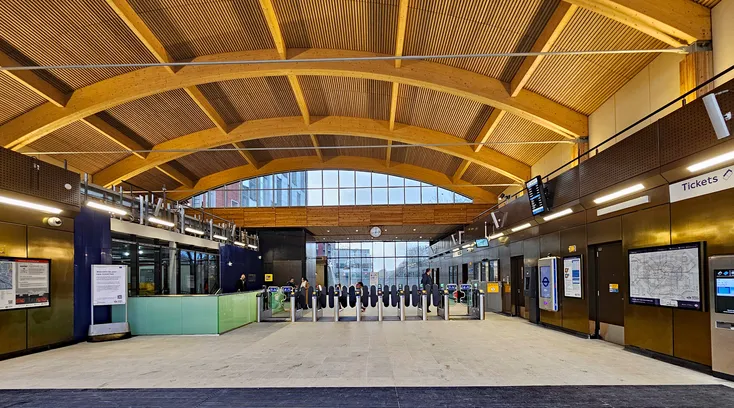
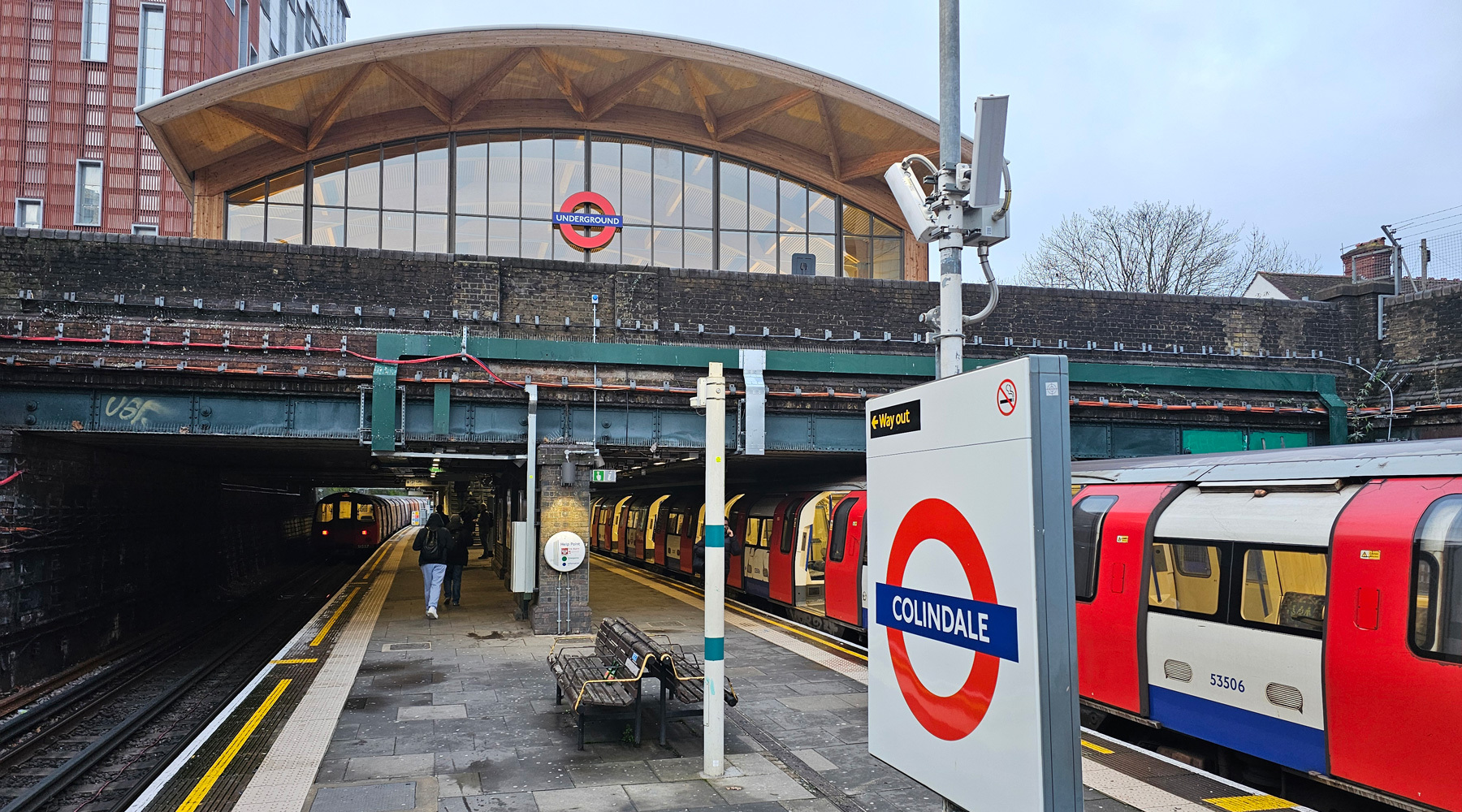
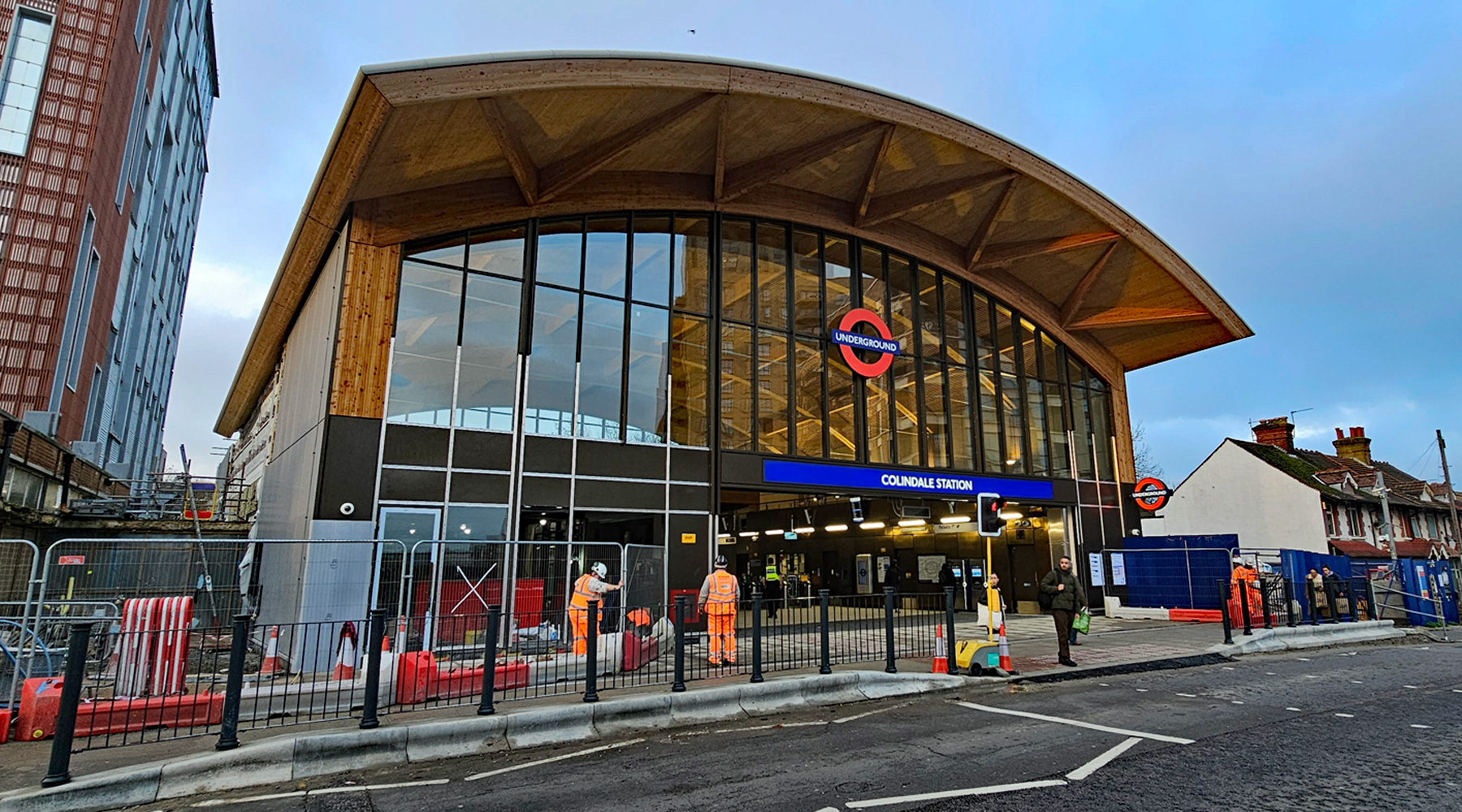
On 22 December 2025, London Underground opened a new passenger entrance at Colindale station on the Northern line. It has been presented as the first modern Tube station entrance built with a timber structure. From the first day, the reaction was noticeable: passengers highlighted the sense of space and natural light, with many stopping to look around and take photos.
The project primarily addresses capacity constraints. The population around Colindale station has more than doubled over the past 15 years, and without intervention the station was expected to reach its safety capacity by the end of 2026. The new layout is designed to accommodate around one third more demand than forecast for 2041. By placing the entrance directly above the tracks, the project also frees up land previously occupied by the old entrance for future residential development.
The new open-span entrance, covered by a timber roof, replaces a much smaller structure built after the original entrance was damaged during the Second World War. Locating the concourse above the railway allows stairs and a lift to descend directly to the platforms, making Colindale the 94th step-free station on the Tube network.
Beyond its architectural appearance, the design includes practical improvements aimed at long-term maintenance. Early concepts were adjusted to simplify upkeep, with power supply and drainage integrated into the structure for cleaning equipment. The wider ticket gate area was also designed to allow access for mobile elevating work platforms when needed.
Construction began in January 2024 and required careful management of service disruptions. The Northern line was closed for 10 days, and the station itself was closed to passengers for six months to allow the main works to proceed, while trains continued running through the site.
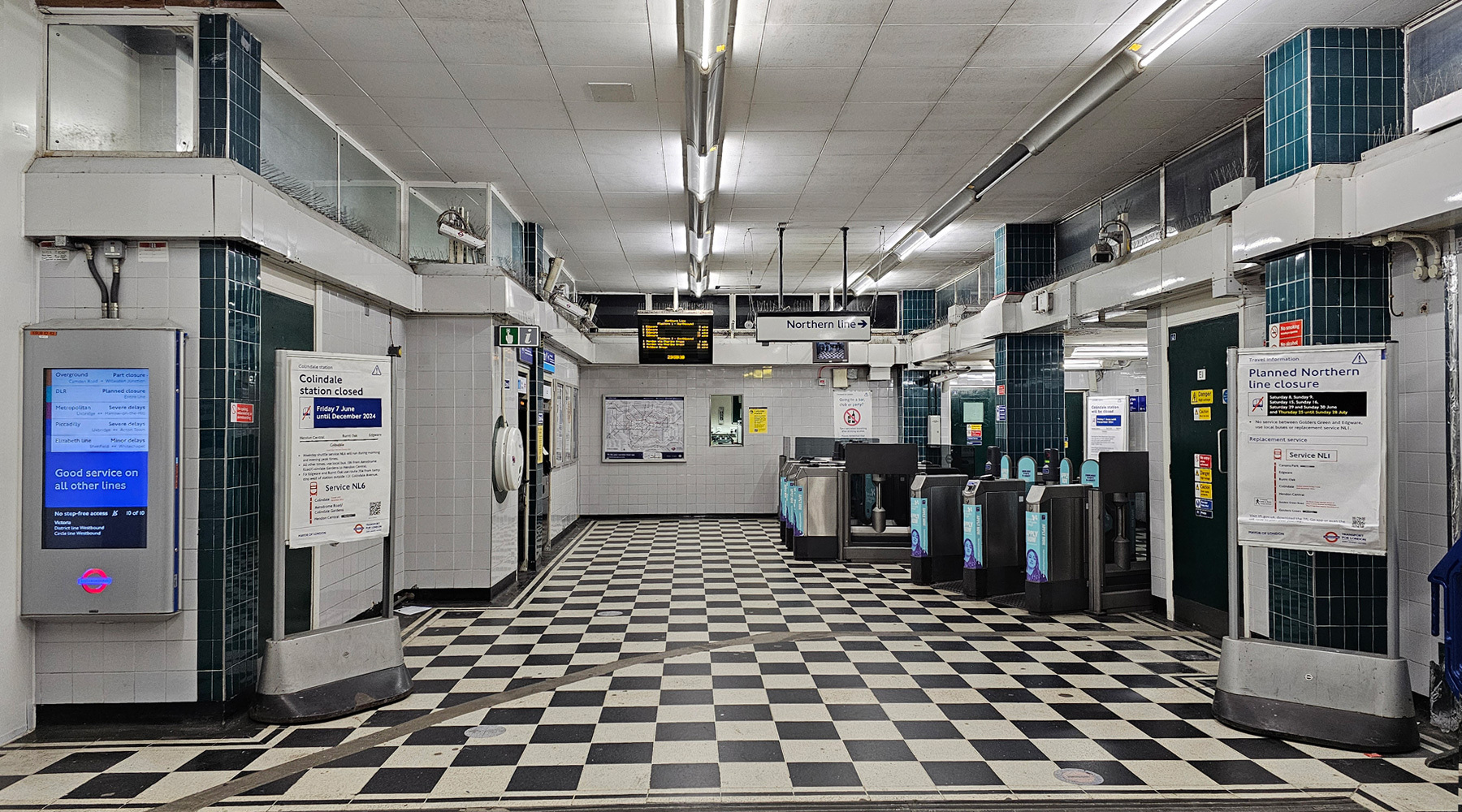
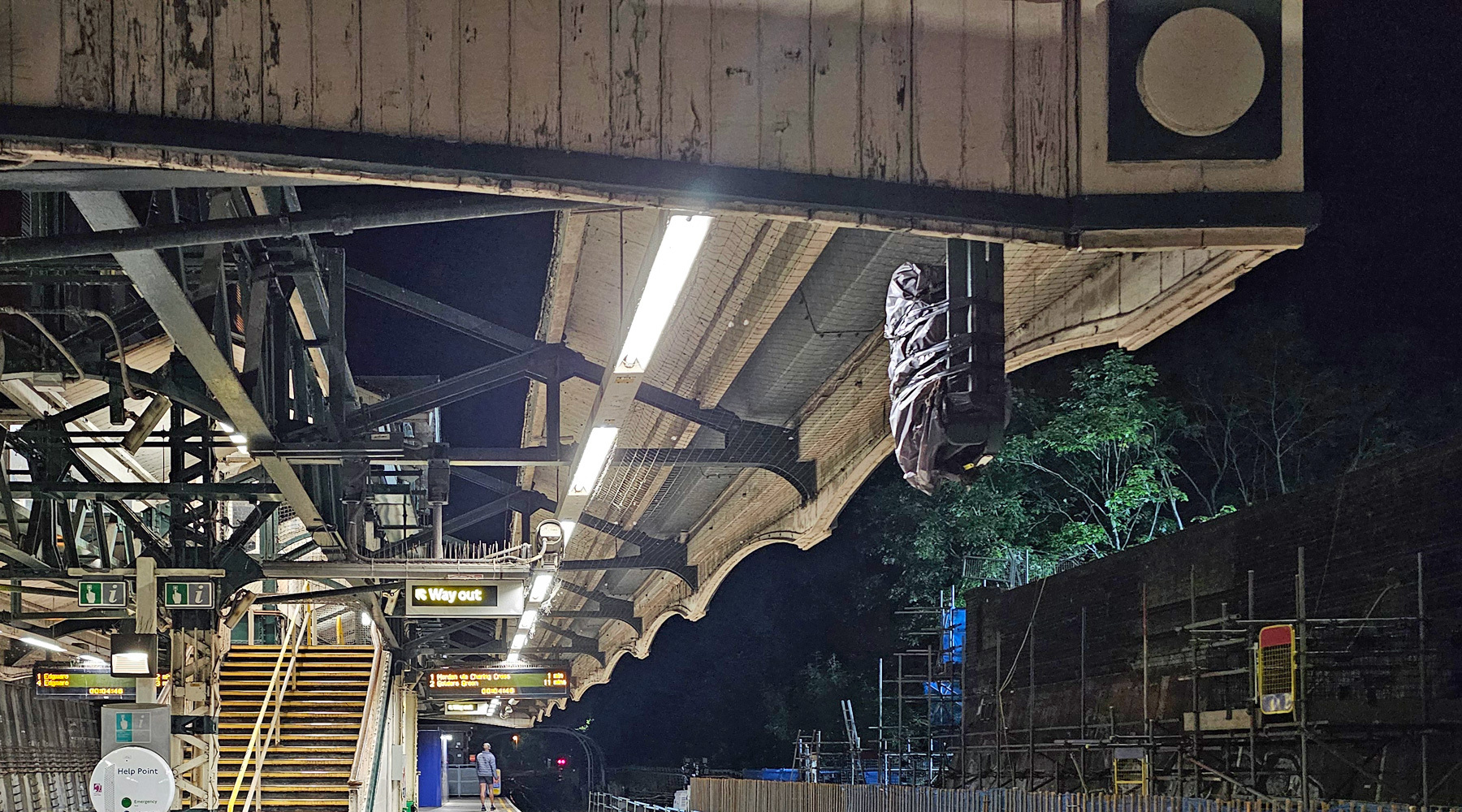
During redevelopment, the old platform canopy, footbridge and staircases were removed. Some historic elements were retained, including distinctive white wall panels dating back to the wartime period, which were later donated to the nearby RAF Museum.
A key milestone was the construction of the deck above the tracks. Sixteen prefabricated units were installed to form the structural platform. For the first time on the London Underground, permission was granted to pour concrete during daytime operations while trains continued running below.
Unexpected challenges also arose. The groundwater level was higher than anticipated, forcing a rapid redesign of the foundations within a tight 10-day window. The solution involved switching from 20-metre-deep piles with a 500 mm diameter to 18-metre piles with a 750 mm diameter.
The timber roof is a defining feature of the project and references the nearby Hendon Aerodrome and the area’s aviation heritage. The tied arches were preassembled in Exeter and lifted into place by crane. Some structural elements are hybrid, combining steel encased in glulam to meet higher safety requirements.
To reduce future maintenance risks and costs, several design elements were simplified. For example, lighting was relocated from the roof structure to the mezzanine level, avoiding the need for mechanical lifting equipment during routine maintenance.
Climate resilience was also a key consideration. The flat section of the roof supports a blue-green roof system that captures and gradually releases rainwater, reducing peak runoff and eliminating the need for a large storage tank. The lightweight timber structure also enabled the use of lower-carbon concrete. The project was recognised by the Institution of Civil Engineers with a “Carbon Champion” commendation.
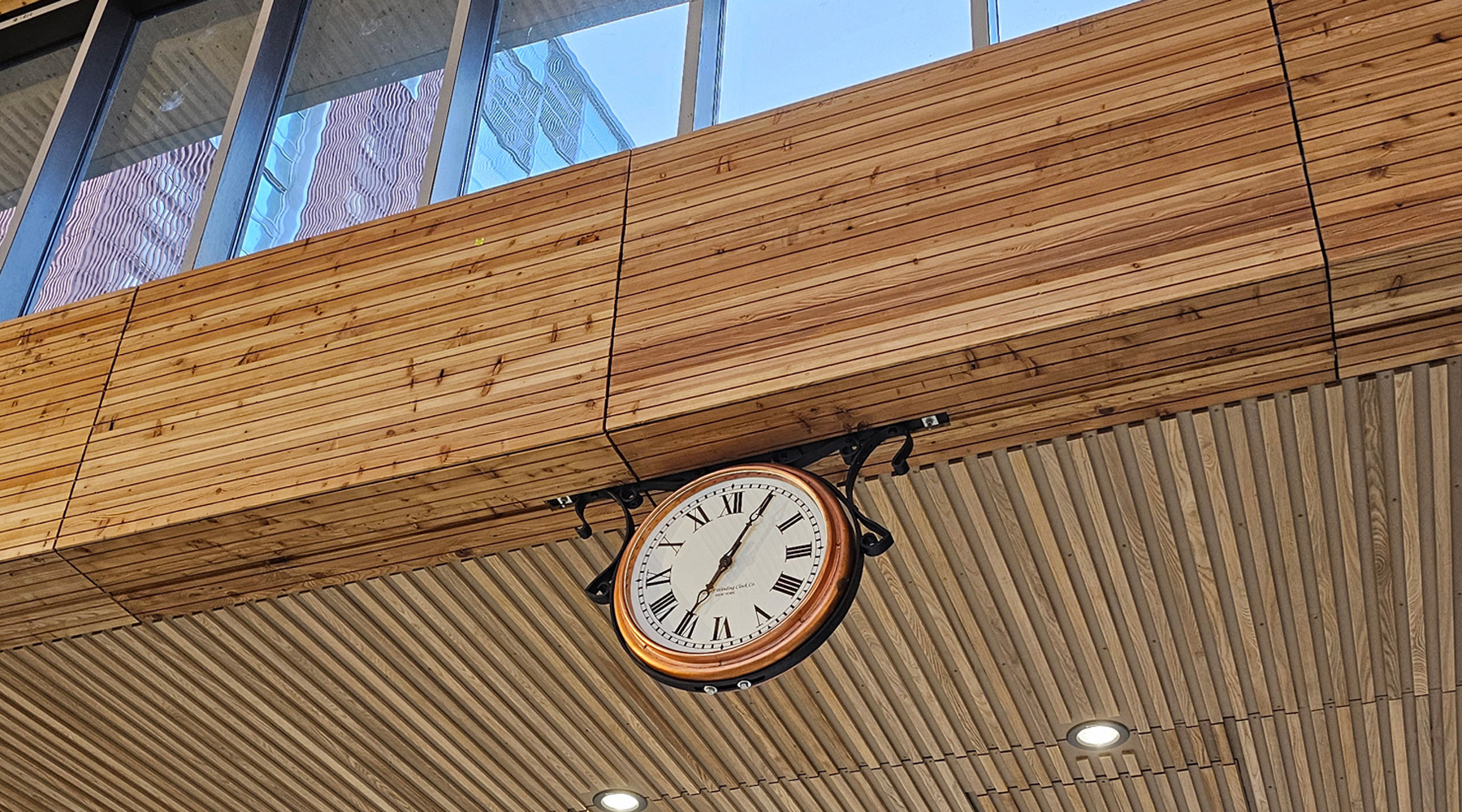
Inside the station, heritage has been integrated into the new design: the original station clock now forms a central feature of the ticket hall. While the entrance is now open, work is not fully complete. An accessible toilet is scheduled to open in mid-2026, the old station building will be demolished next year, and final completion is expected by June 2026.
Project facts: The £35 million upgrade was delivered by Morgan Sindall Infrastructure as principal contractor and designer, with AtkinsRéalis as lead designer. The information is based on notes from an ICE lecture held in June 2025.