today at 15:58
,Australia
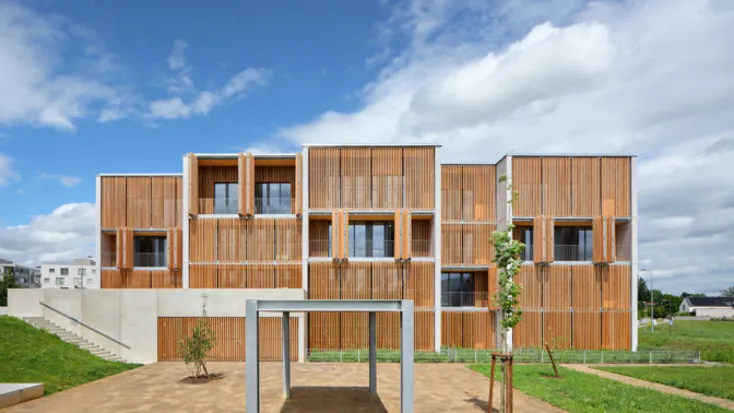
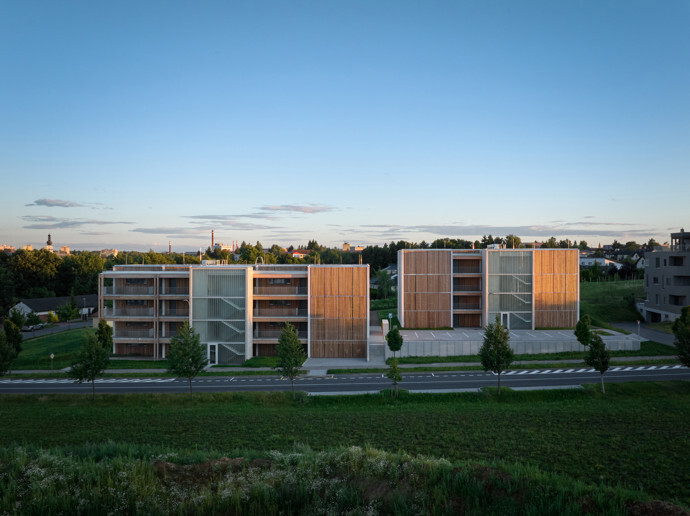
A residential complex has been built in Žďár nad Sázavou that seeks to bridge the gap between tradition and the present – offering modern housing embedded in the logic of the classic urban block. The project was designed by the Kuba & Pilař Architects studio, whose proposal is based on the proven urban planning principle of clearly distinguishing between public, semi-public, and private spaces.
The basic idea is simple: the street belongs to the city, the inner courtyard to the residents, and the apartment interior to the family. This seemingly obvious arrangement carries a deep logic of everyday life – each space has its own character, its own rules, and its own degree of intimacy. In this way, the architects enhance the clarity of the environment and the natural functioning of neighborly relationships.
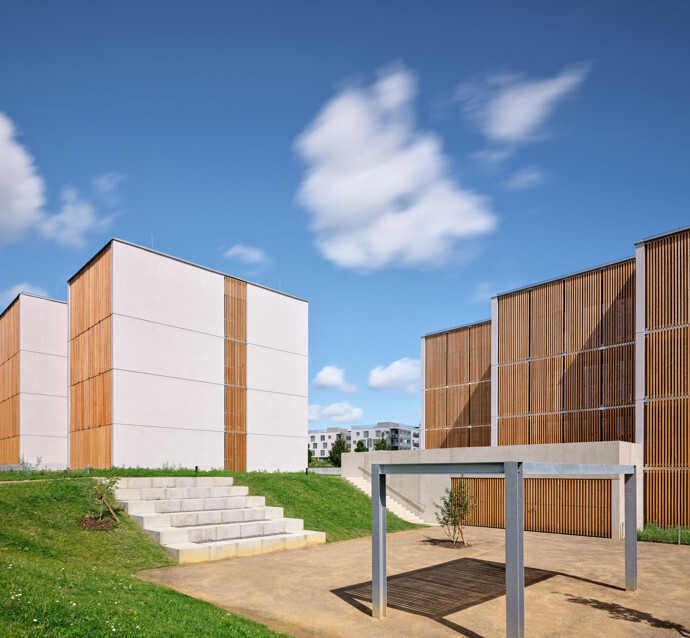
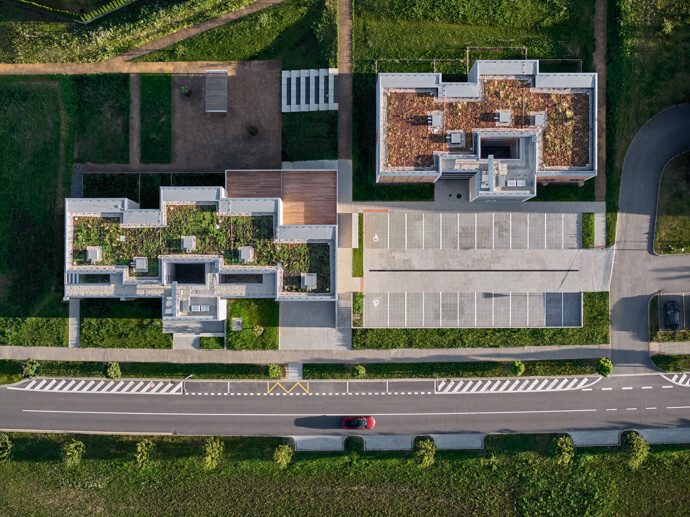
The buildings close off the corner and, with their floor plan layout, protect the south-oriented inner courtyard, which becomes a true center for gatherings. It is not an empty space between buildings, but a thoughtfully designed area offering benches under trees, flower beds, quiet nooks, a pergola, and tiered seating that can serve as a small outdoor auditorium. At the same time, the inner courtyard is not a closed island – it seamlessly connects to the surrounding public green spaces and naturally integrates into the broader urban structure.
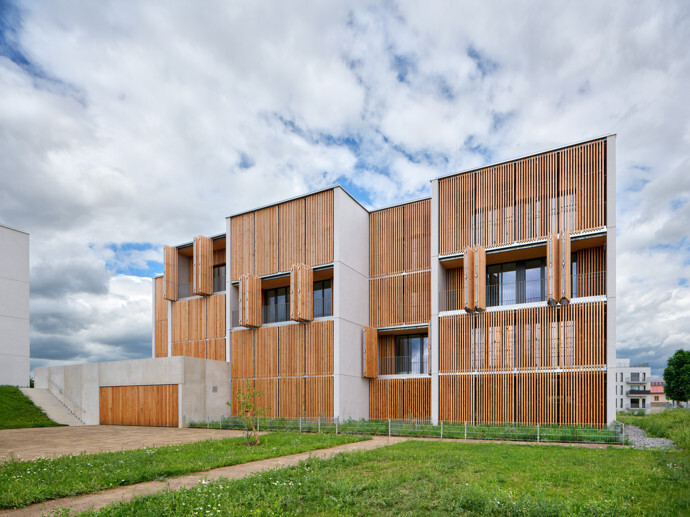
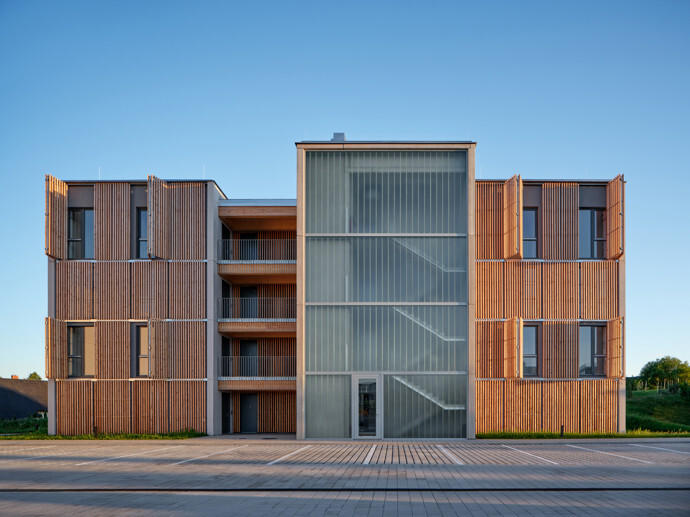
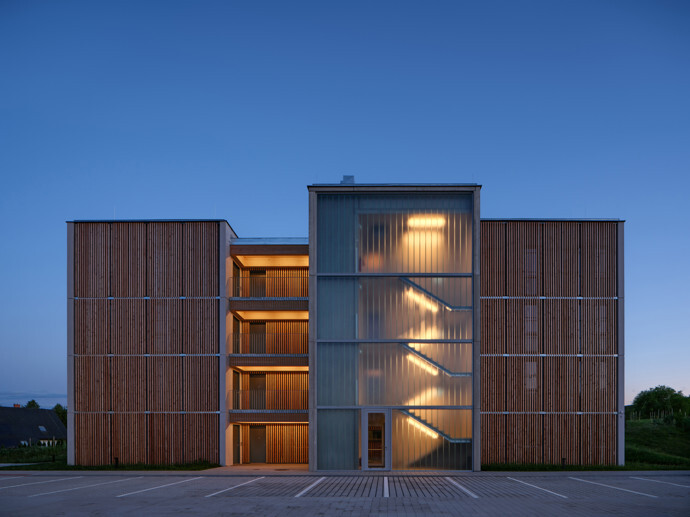
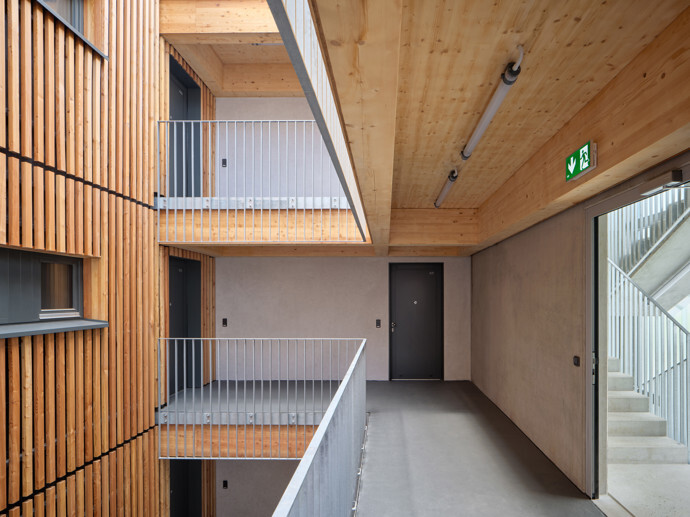
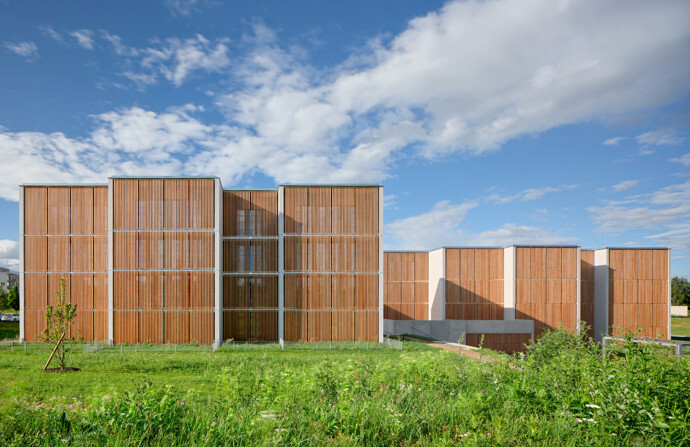
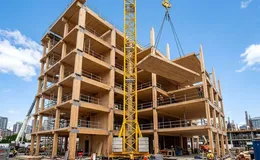
The buildings are composed of simple vertical sections with four floors. The choice of prefabricated construction is not only pragmatic – it shortens the construction time and increases structural precision – but is also reflected in the final expression of the buildings, in which wood plays an important role. It is used both in the load-bearing structure and as a visible architectural element.
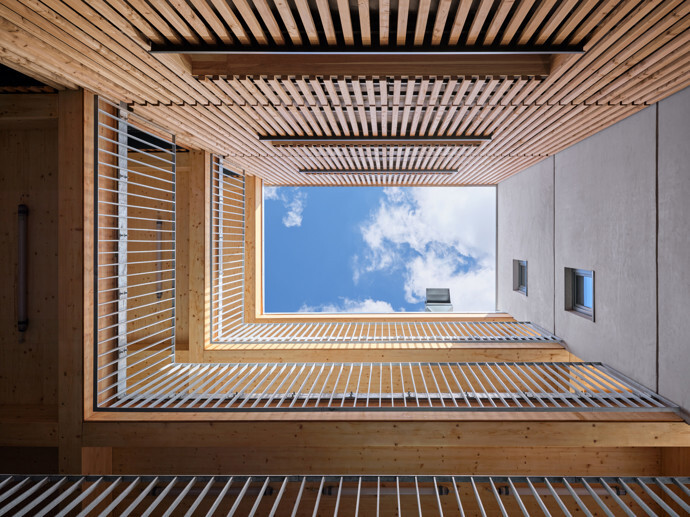
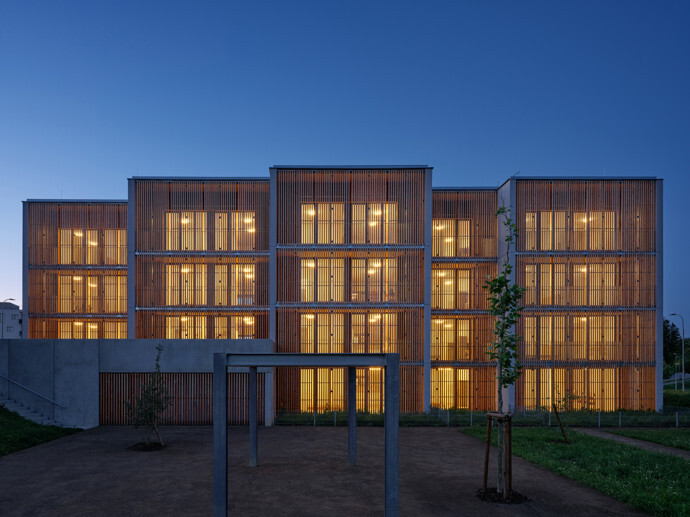
The courtyard-facing façades are enlivened by loggias with wooden shutters, whose position changes throughout the day and creates a dynamic play of light. In contrast, the street-facing galleries appear more restrained and enclosed, reflecting their location in the transitional zone between public and private realms. Between the galleries and the apartments, green vertical atria open up, bringing light and nature into the heart of the buildings.
Most living spaces are oriented southwest to allow residents to benefit from as much natural daylight as possible. The wooden shutters do not serve merely as an aesthetic element – they regulate thermal load and the intensity of interior lighting according to current conditions. Roof and atrium vegetation contributes to improving the microclimate of the entire complex, both inside the courtyards and buildings and in their immediate surroundings. The result is a residential ensemble that, on a relatively compact site, combines urban clarity, structural innovation, and environmental consideration.