
8 Jul 2026
,Ukraine
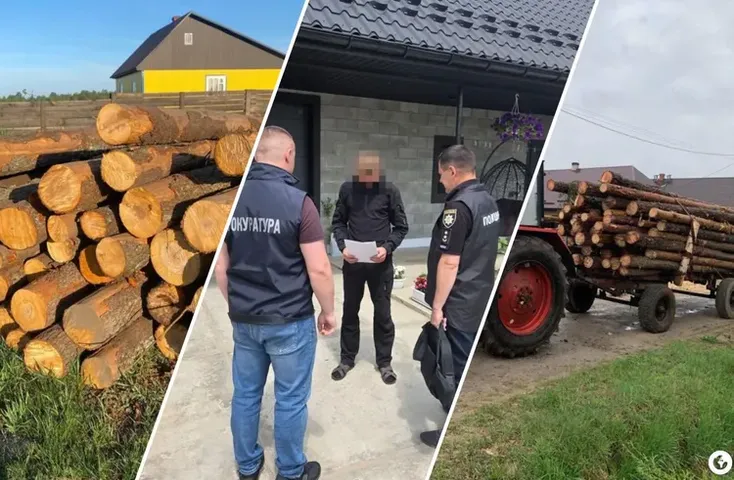
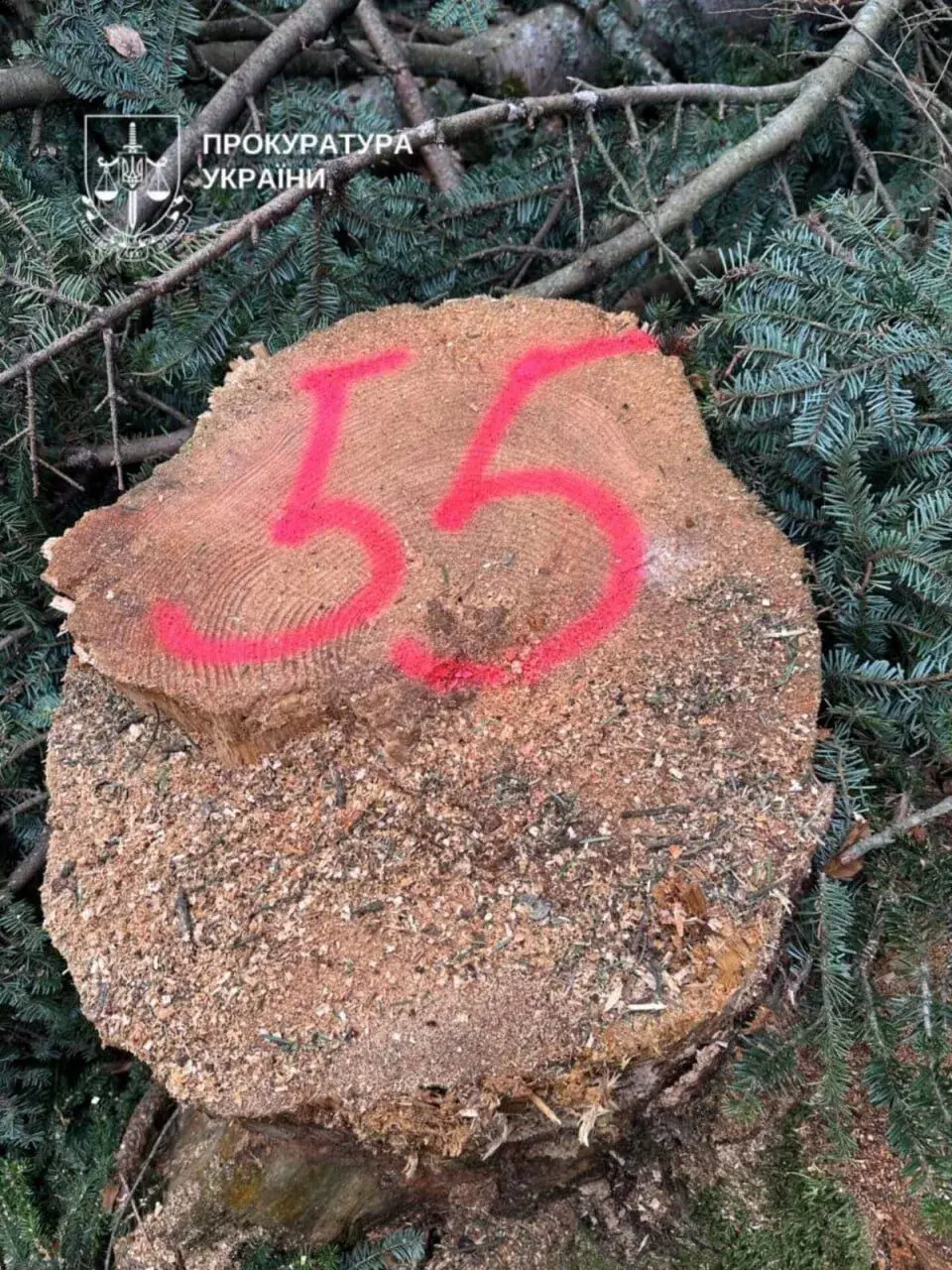
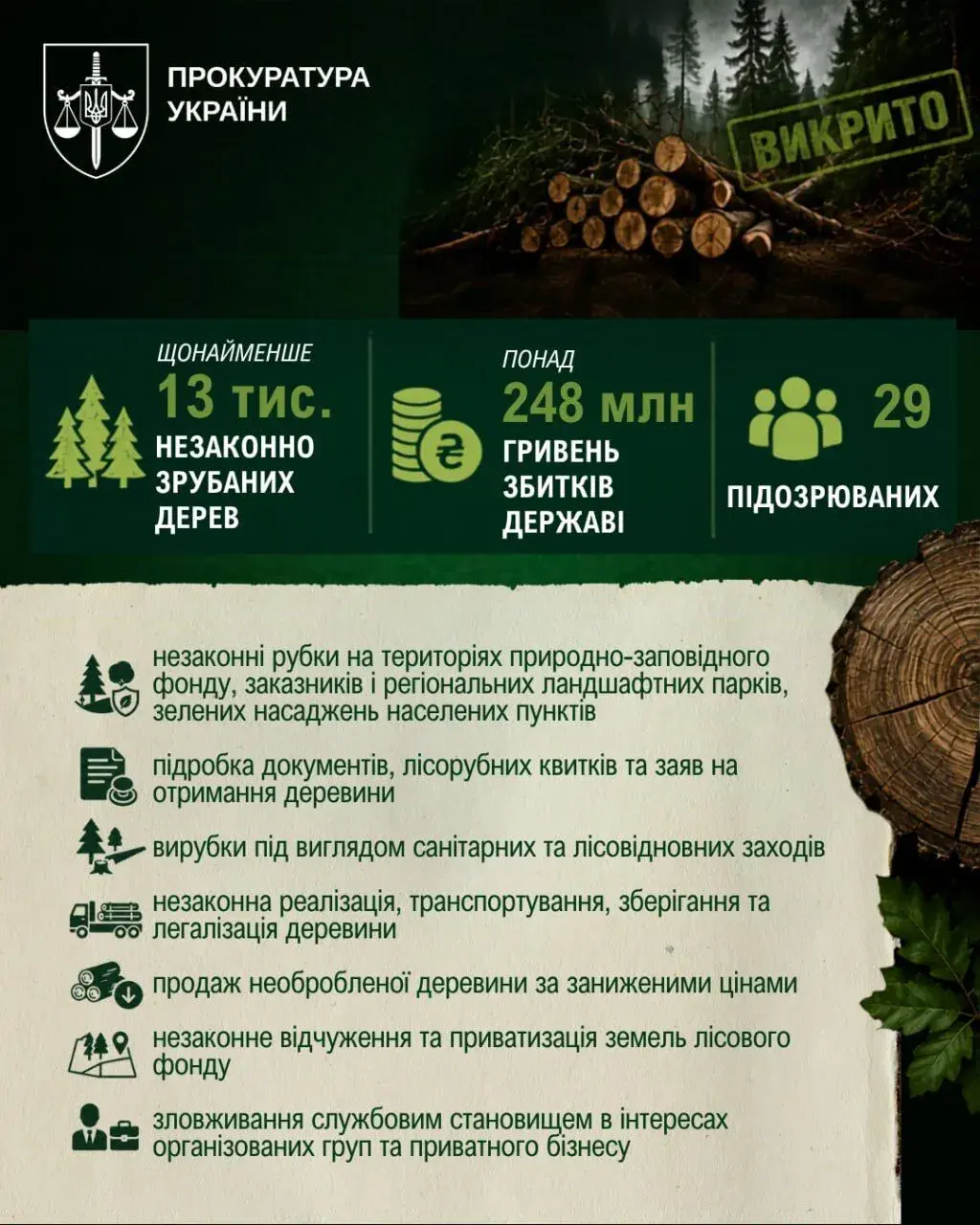
Ukrainian law enforcement officers have exposed large-scale illegal logging schemes involving forestry workers, government officials, and entrepreneurs. As a result of the investigation, 29 individuals have been notified of suspicion, with preliminary damages to the state estimated at over UAH 248.6 million. Investigators determined that more than 13,000 trees were illegally felled.
Among the suspects are former and current forestry employees, representatives of the state enterprise “Forests of Ukraine,” officials of the State Land Cadastre, a community head, entrepreneurs, and members of organized criminal groups. According to investigators, the case involves not isolated violations but systemic schemes operating in territories of the nature reserve fund, nature reserves, and regional landscape parks.
Participants in the schemes forged documents and logging permits, disguised illegal logging as sanitary measures, legalized timber, and alienated forest fund lands. Prosecutor General Ruslan Kravchenko emphasized that the consequences of these actions go far beyond financial losses.
“This is not just damage to the state, but irreparable harm to natural populations, ecosystems, and future generations,” said Ruslan Kravchenko.
One of the largest schemes uncovered, investigators say, involved the legalization of valuable timber through fictitious entries in the state electronic accounting system. Organizers attempted to legalize approximately 19,000 cubic meters of timber. In a separate episode, roughly 10,000 illegally felled oak trees were reportedly planned for export abroad under the guise of legally harvested timber.
The scheme operated during the full-scale war — from 2022 to 2025. More than 100 business entities were involved, including major Ukrainian exporters, and the total value of transactions exceeded UAH 147 million. In this episode, six members of an organized group have been notified of suspicion.
Investigators continue to identify all episodes and those involved. Some of the felled trees belong to particularly valuable species whose recovery may take decades or even centuries.
The current exposure is one of the largest in recent years, yet law enforcement agencies regularly record schemes in the forestry sector. In early 2026, prosecutors already reported illegal logging in nature reserves and forests causing nearly UAH 95 million in damages, with former and current forestry officials also among the suspects in those cases.
In the Zhytomyr region, law enforcement is investigating officials of a branch of the State Enterprise “Forests of Ukraine” suspected of illegally selling commercial timber. In another episode, a worker at the Kramatorsk forestry enterprise is suspected of selling “permits” for illegal tree felling. Violations have also been found within the “Forests of Ukraine” structure itself: the head of the state enterprise, Yuriy Bolokhovets, was previously detained on suspicion of illegal enrichment amounting to more than UAH 7.9 million, though he was later released on bail. The former director of one of the branches is suspected of illegal enrichment — during searches at his home, cash amounting to hundreds of thousands of dollars was found.
All of this indicates that the forestry reform in Ukraine has failed to achieve its declared goals. Instead of de-shadowing the sector and implementing a European management model, the reform has effectively led to the centralization of control, the liquidation of 158 forest enterprises, and the loss of regional autonomy — while corruption schemes continue to re-emerge at a new level.