

yesterday at 09:58
,Poland
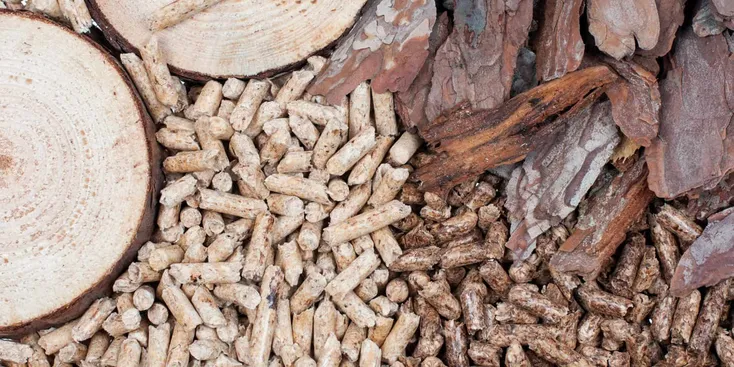
Wood pellets have long been considered an eco-friendly fuel, intended to serve as a sustainable alternative to traditional energy sources like coal. They were part of the government's "Clean Air" Program, aimed at improving air quality by promoting environmentally friendly solutions. However, recent studies indicate that burning pellets can generate significant amounts of pollutants that are harmful to health. In some cases, the emission of harmful substances from burning pellets even exceeds that produced by burning coal.
The government is not indifferent to the findings of these studies and plans to take concrete steps to reduce the emission of harmful substances resulting from the pellet combustion process. As a result, new regulations regarding pellet quality and emission standards for pellet boilers will be introduced. Their goal is to limit pollution and improve air quality in Poland.
Although biomass, including wood pellets, has so far been perceived as more environmentally friendly, recent studies have forced experts to reevaluate the impact of this fuel on health and the environment. It turns out that burning pellets releases substances that can have negative health effects. This unexpected conclusion from the research has prompted authorities to take action, pushing for new regulations aimed at reducing air pollution.
European and national biomass quality standards will now be more stringent to prevent harmful substances from being released into the atmosphere. Additionally, local and central authorities will monitor the production and distribution process of pellets to ensure they meet the newly established quality standards.
In addition to introducing new regulations on pellet quality, the Ministry of Environment and the Ministry of Energy are working together to establish support programs for consumers. The aim is to assist users of pellet boilers in adapting to the new regulations. These initiatives include, among other things, subsidies for the modernization of heating devices, which will make it easier for users to implement the necessary changes.
Stricter quality standards for pellet production are intended to minimize the emission of harmful toxic substances. These regulations are also part of a global mandate to reduce emissions and raise air quality standards. The introduction of such regulations is a pioneering step that demonstrates the authorities' determination to fight for cleaner air and a better quality of life for citizens.
Although the introduced changes may seem demanding for producers and users of pellet boilers, they are essential from the perspective of protecting public health and the environment. Therefore, through the cooperation of ministries and the provision of financial support, the government strives to create conditions conducive to the full implementation of the new regulations. In the long term, this will bring benefits both to air quality and to the health of citizens. It is worth noting that the actions taken by the government in this matter have met with the approval of many pro-environmental groups, which have long been sounding the alarm about the need for changes in the country's energy policy.