6 Jun 2026
,France
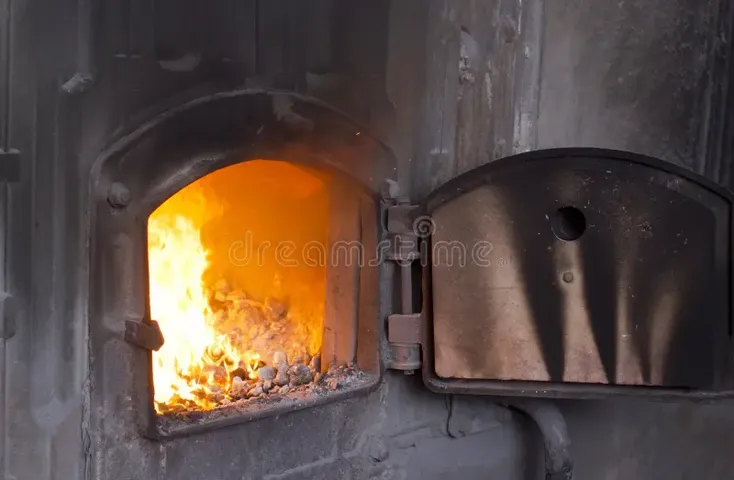
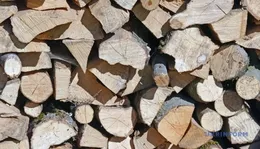
Wood heating remains one of the most common forms of heating in Slovakia, especially in family houses and smaller municipalities. For many households it represents an affordable and proven solution. Recently, however, a large amount of misleading information has been circulating about environmental measures, emission standards and alleged bans on older boilers, which understandably creates confusion among the public.
First and foremost, it is important to know that Slovakia has not yet introduced a ban on emission class 1 and 2 boilers – unlike neighbouring Czechia, where similar restrictions are already in force. Households may continue to operate older boilers without fear of penalties, as the mere operation of an old boiler is not punishable in Slovakia. Although old boilers are the least environmentally friendly – they have lower efficiency, produce more emissions and consume more fuel – their use remains legal. What is restricted, by contrast, is the sale of new non-compliant boilers: only appliances meeting current emission standards may be placed on the market.
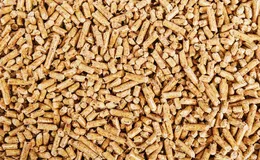
The problem is not only the age of the boiler, but also what is burned in it. Slovak legislation prohibits the burning of plastics, municipal waste, chemically treated wood and other unsuitable materials in domestic boilers. Only fuel specified by the manufacturer may be used – ideally high-quality dry wood, coal or other permitted fuels. Burning waste significantly worsens air quality, endangers the health of nearby residents and can result in fines ranging from hundreds to thousands of euros.
Solid-fuel boilers are classified according to the emission classes of standard EN 303-5, which express the level of emissions and the overall efficiency of the appliance. Class 1 and 2 boilers are the oldest and also the most polluting. Classes 3 and 4 are more efficient and place less burden on the environment, while emission class 5 represents the most modern low-emission appliances available on the market.
Misleading claims are circulating in connection with European legislation suggesting that the European Union plans to ban wood heating altogether. This does not correspond to reality. Wood as a fuel remains legal, and the aim of European rules is primarily to reduce emissions, increase efficiency and support more modern combustion technologies. Although the European Commission is preparing stricter requirements for solid-fuel appliances – mainly affecting new boilers placed on the market from around 2027 onwards – this will not amount to an automatic ban on existing boilers in households. The planned changes will primarily concern manufacturers and new appliances.
Replacing an old boiler is therefore not mandatory at present, but the state actively supports it through subsidies. One example is the “Obnov dom” programme, through which households can receive a contribution for modernising their heating system. Although a new boiler can cost several thousand euros, the investment usually pays for itself – it brings lower fuel consumption, higher efficiency, reduced emissions and more convenient daily operation.
Summary: Slovakia currently has no ban on emission class 1 and 2 boilers, wood heating remains legal, the sale of new non-compliant boilers is restricted, and the burning of waste is strictly prohibited. As the future of heating moves towards more environmentally friendly technologies, households are advised to monitor legislative developments and plan the modernisation of their heating systems well in advance.