

yesterday at 13:58
,Australia
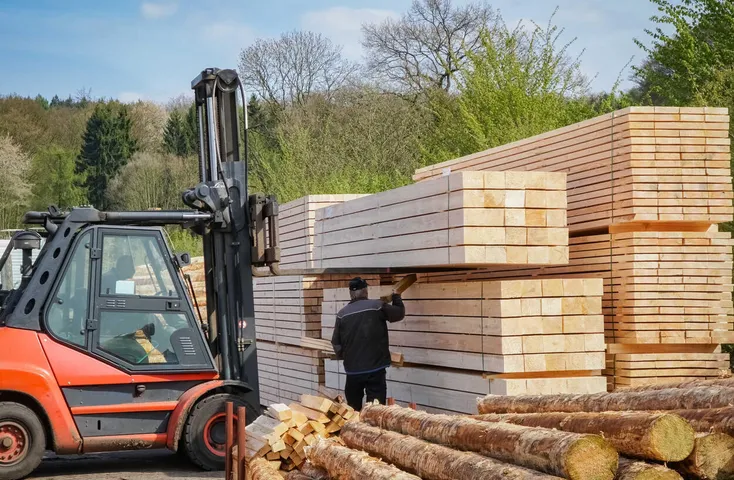
The prices for sawmill roundwood are rising sharply in the third quarter. Following noticeable increases already in the second quarter, September in particular is driving a price surge – especially for fresh timber. The key factors are strong demand, low inventory levels in the sawmill industry, and an unexpectedly low supply of damaged wood.
The demand for fresh timber has increased significantly. Softwood sawmill roundwood is currently in particularly high demand, often only available with longer lead times in many areas. Sawmills report high capacity utilization and are prioritizing pure-grade, readily available material. As a result, fresh, quality-consistent stacks are being picked up more quickly, further supporting the price dynamics.
On the supply side, the level remains below expectations. Abundant rainfall in July and a lower bark beetle infestation have significantly reduced the supply of damaged wood. Many companies have so far been able to cover a large part of their needs from this source; this relief is now disappearing. Sawmills are responding with higher roundwood prices to stimulate additional harvesting. At the same time, inventory levels are low, strengthening the bargaining power of suppliers and accelerating price concessions.
Logistics are running smoothly in many regions, although individual mills report supply bottlenecks. Reasons include asynchronous harvesting cycles after the rainy periods, regional shortages in transport capacity, and localized infrastructure disruptions. Where delivery chains function seamlessly, material flow is quickly implemented; where there are hiccups, demand peaks for fresh timber intensify – with immediate effects on demand.
The picture is consistent across regions: scarce stocks meet a demand overhang. Nevertheless, local differences are evident. In some areas, a solid remaining stock of storm- or beetle-damaged wood helps to fill gaps. Elsewhere, significant procurement pressure emerges, further increasing willingness to pay. Between regions, there is increasing redirection of timber flows, which widens the price spread between assortments and qualities.
For market participants, clear signals are emerging. Forest owners are receiving strong price incentives for additional harvesting, especially for softwood assortments. Delivery schedules and assortment purity are gaining importance to optimally meet ongoing demand. Sawmills are under pressure: they are securing quotas in advance, adjusting price lists, and sometimes accepting shorter lead times to respond flexibly to orders. The willingness to pay more for reliably available fresh timber is growing.
In the short term, the combination of high demand, low inventory levels, and limited damaged wood supply suggests continued upward price pressure. Whether this trend persists unbroken into the fall depends heavily on weather patterns and pest pressure. Persistent rainfall could slow harvesting, while dry periods could alter the risk of new beetle damage – both with potentially opposing effects on volumes and price levels. For the moment, the market remains tight, with a noticeable upward trend for fresh timber and particularly dynamic movements in softwood sawmill roundwood.