
today at 09:58
,Belarus
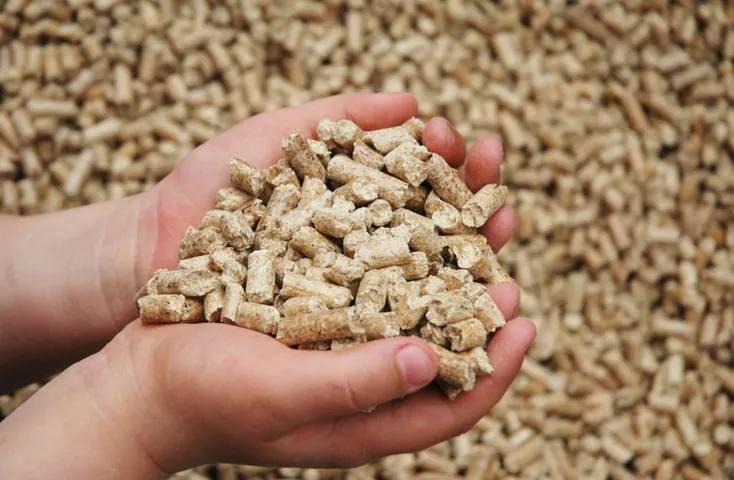
The European wood pellet market, which until recently was considered close to saturation due to the accelerated transition of households and businesses to heat pumps and solar generation, in 2026 demonstrates a noticeable turnaround. EU countries are again increasing imports of solid biofuel, revising previous forecasts of a gradual decline in demand.
According to market participants, wood pellet consumption in the EU has grown by more than 15% compared to the same period last year. The main drivers have been Germany, Poland, and the Baltic countries, where industrial consumers are returning to pellet boilers amid unstable gas prices.
The main factor behind the renewed interest in pellets has been economic advantage following price shocks in the gas market in 2025. For an average enterprise, wood pellets in terms of thermal energy turned out to be 30–40% cheaper than gas, making them a competitive option for heating and technological processes.
An additional incentive remains the EU’s climate policy. Pellets are still classified as “green” fuel, allowing companies to meet environmental obligations without significant additional costs for quotas and compensation mechanisms.
In Germany, large industrial conglomerates are already planning to convert gas boilers for pellet use. By the 2026/2027 heating season, their combined consumption could exceed 2 million tons of pellets per year, which will increase pressure on the European market for raw materials and finished products.
Ukraine is among the top five exporters of wood pellets to the European Union and could become one of the main beneficiaries of the new wave of demand. In 2026, Ukrainian pellet exports could rise to 2.5–3 million tons, which is approximately 40% higher than last year’s level.
The potential export revenue for Ukrainian producers is estimated at 500–700 million euros. The situation could be especially advantageous for companies with stable access to raw material bases and logistics routes to the EU.
“The European market is currently overheated; pellet prices on spot platforms have reached 280–320 euros per ton,” — note participants in the biofuel market.
High prices in Europe increase the attractiveness of exports but at the same time create risks for Ukraine’s domestic market. If a significant portion of production is directed abroad, a shortage of pellets for Ukrainian consumers could arise by the start of the heating season.
According to forecasts, the domestic price of pellets could rise from 8–10 thousand UAH per ton in 2025 to 12–14 thousand UAH by October 2026. The most vulnerable in such a situation remain rural residents who switched to solid-fuel boilers after damage to the gas infrastructure.
Under these conditions, the state will likely have to expand compensation programs for the purchase of solid fuel for socially vulnerable population groups. Without such measures, the growth of the industry’s export revenues could be accompanied by increased price pressure on households within the country.