today at 08:29
,Latvia
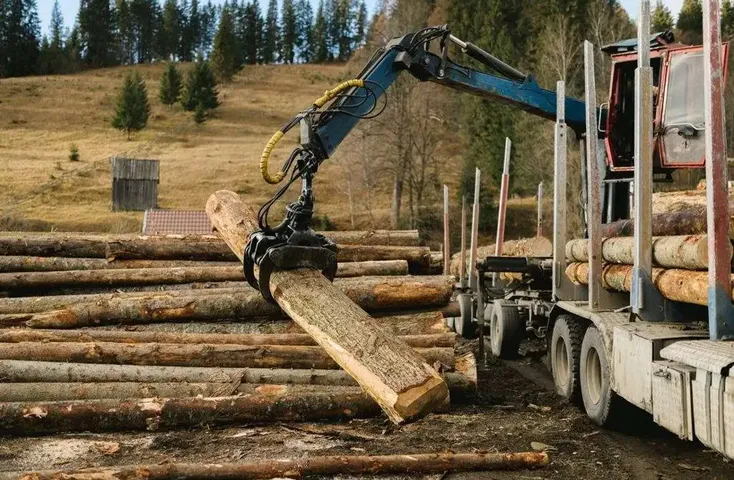
Polish wood exports to China have sharply slowed down. In 2025, the sales volume to this country fell by 51%, reaching approximately 307 thousand m³ – the lowest level since 2019. This is five times less than in the record year 2020, and the pace of declines clearly accelerated: from 40% in the first quarter to 55% in subsequent months. The previous year, exports outside the European Union did increase by 22%, but still remained three times lower than at the peak five years ago.
Restricting the export of raw material outside the borders of the Union has become one of the key instruments for protecting domestic forest resources. Keeping wood in Poland enables its deeper processing by domestic enterprises, increases added value in the production chain, supports GDP growth and stabilizes jobs in the wood, paper and furniture sectors. Customs data from the National Revenue Administration shows that oak exports to China in 2024 accounted for only 4.1% of the total sales of this species by the State Forests.
Strengthening forest protection does not mean limiting raw material supplies for the domestic economy. In 2024 – despite the first restrictions on logging in selected forest complexes – wood sales increased by 3.7% year-on-year, reaching 40.6 million m³. In 2025, the volume amounted to 39.1 million m³, the same as in 2023.
The largest decline in harvesting last year concerned spruce and exceeded 800 thousand m³. However, this change does not result from administrative restrictions, but from the improvement in the health of forests and the lesser need for sanitary cuts. The beginning of 2026 turned out to be more difficult due to unfavorable weather conditions, although a clear rebound in sales was recorded in March.
After sharp increases in 2022–2023, when wood prices rose by almost half, the market entered a stabilization phase. In 2024, the average selling price of wood from the State Forests decreased by about 14% compared to the previous year. At the beginning of 2026, the average price was 306–309 PLN/m³ – higher than a year earlier, but still below the levels from 2023. When assessing these changes, the cumulative inflation from 2024–2025, reaching 7.3%, should be taken into account.
Price stabilization improves the competitiveness conditions of the entire domestic wood-based sector. The Ministry of Climate and Environment together with the State Forests declare conducting a sustainable forest policy, combining natural and social goals with the needs of industry. As part of it, plans include, among others, accelerating the reconstruction of tree stands threatened with dieback and better adaptation of forests to the effects of climate change. The long-term goal remains the stabilization of raw material supply and its prices in the medium- and long-term perspective.