22 May 2026
,Germany
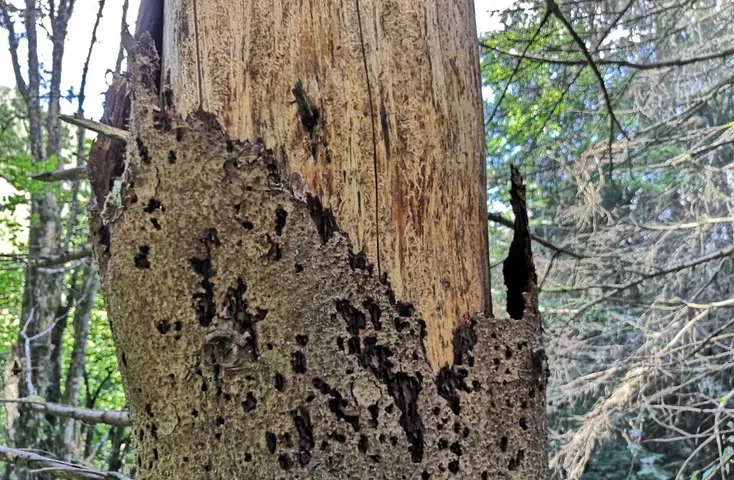
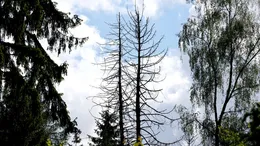
Since 2018, the massive infestation by bark beetles, particularly the European spruce bark beetle – also known as the eight-toothed spruce bark beetle or "book printer" – has posed a growing problem for forests in Germany and Central Europe. Climate change, combined with extreme weather events, has further exacerbated the situation, leading to a significant loss of spruce areas.
The spread of bark beetles has been facilitated primarily by a combination of natural and climatic factors. Storms like "Friederike" have uprooted or damaged many spruce trees, providing ideal breeding conditions for the beetles. In the following years, several drought periods further weakened the trees' resilience. This increased vulnerability allowed the beetles to multiply and spread unchecked.
The consequences of this development are severe: according to current estimates, around 700,000 hectares of spruce forest have already fallen victim to the bark beetle. This affects a significant portion of German forestry, with long-term negative impacts on the timber industry and biodiversity.
When dealing with infested wood, there are clues that can aid in the early detection of an infestation. A particularly striking characteristic is the smell of the wood. Christian Nieder reports that infested spruce wood emits a distinctive scent reminiscent of saffron. This olfactory clue could become an important tool for foresters and woodland owners in the future, enabling them to identify affected trees more quickly and take action before the infestation spreads further.
Targeted observation and early detection of infested trees are crucial for protecting the remaining forests. In addition to traditional methods like visual inspections, training to recognize the characteristic scent could also help curb infestations. Such simple yet effective techniques could prove to be a valuable addition in the fight against the bark beetle plague, helping to limit the enormous economic and ecological damage.