
For the fourth consecutive year, Ukraine's woodworking sector operates under the conditions of a full-scale war. Restrictions on harvesting, raw material shortages, growing demand for bioenergy, and logistical challenges create a persistently negative backdrop for the market. At the same time, the industry has mobilized resources and maintains development momentum, increasingly relying on exchange mechanisms and open data as tools for stabilization amid turbulence.
Between 2022 and 2025, exchange mechanisms in the market have been strengthened and expanded: unified accreditation and trading rules have ensured equal, open access for businesses and increased the predictability of sales. Enhanced monitoring of contract obligations has become a key factor in improving discipline, while decisions are increasingly based on public information—trading results, indicators, and analytics.
According to data from the Ukrainian Energy Exchange (UEE), over 11,500 auctions for the sale of timber were conducted between 2022 and 2025. The total volume of sales reached 13 million m³, with a cumulative value exceeding 36.2 billion UAH (including VAT). For forestry enterprises, the effect of transparent competition has been estimated at over 4.1 billion UAH (including VAT) in additional revenue, which, according to market participants, reflects the impact of market-based pricing.
Trading liquidity was supported by broad business participation: over 5,000 accredited companies operate on the platforms, including 4,926 buyers and 150 sellers. A notable achievement is the increase in contract fulfillment rates from 65% to 90.3%, facilitated by post-auction support and digital oversight. The UEE also reports the development of electronic document management infrastructure, the use of digital signatures, standardized contract forms, integration with state services, and the establishment of the Ukrainian Clearing House as a tool for risk management and settlements, including the use of bank guarantees and sanctions for non-compliant participants.
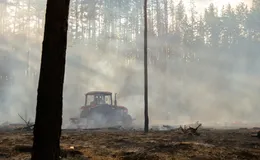
Meanwhile, Europe in 2025 faces its own regionally driven challenges: stricter environmental regulations, dwindling spruce reserves, and the aftermath of forest fires. Collectively, these factors have led to a shortage of coniferous timber and heightened competition for raw materials.
In Central Europe, average prices for coniferous logs in 2025 ranged from 115 to 140 euros/m³. More expensive raw materials have driven up the cost of final products: the average export price from the EU to the UK, according to estimates, rose from 241 euros/m³ to 271 euros/m³ in 2025. Amid the shortage, imports of coniferous logs from Norway to the EU also surged by more than 50% between January and September 2025. European market participants increasingly report pressure on profitability, shrinking margins, and forced reductions in production volumes.
An additional regulatory factor is the EU Deforestation Regulation (EUDR). Despite its declared environmental goals, its implementation, according to business assessments, is accompanied by practical challenges, particularly the complexity of collecting geolocation data. For Ukrainian producers, this issue is especially sensitive due to the shortcomings of national forest monitoring systems, prompting the market to call for delays and simplifications of the requirements.
In 2025, the woodworking sector in both Ukraine and the EU increasingly operates within the logic of a limited-resource market, where the ability to adapt quickly, forecast, and efficiently allocate volumes becomes critical. Ukraine's model of timber exchange sales, built on digital processes and public disclosure of results, positions itself as a stabilizer: open data, analytics, and contract fulfillment monitoring enhance trust and help maintain activity even during turbulent periods. The next step, according to the exchange, is the introduction of artificial intelligence tools for risk monitoring and automation of audits—a response to the growing complexity of the market and demands for transparency.