1 Jun 2026
,Germany
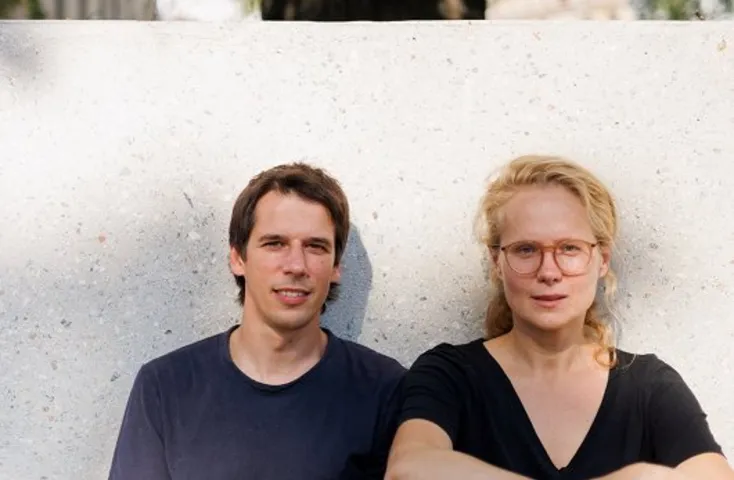
This year’s LAGB Grand Prix winners, “MADE Architects,” are once again in the spotlight — not only for their high-quality architecture but also for their compelling vision of the importance of wooden construction for Latvia’s future. The architects emphasize that modern wood technologies enable fast, sustainable, and planet-friendly building, though the path to making wooden public buildings the norm in Latvia remains complex.
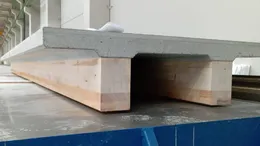
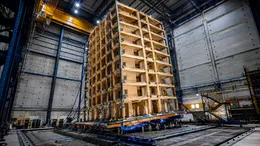
MADE Architects remind us that wood today is no longer a romanticized material — it is a high-precision industrial technology. Modern engineers and manufacturers can deliver durable, precise, and quickly assembled structures. “We use wooden houses to be kinder to both people and the planet,” the architects stress.
Wooden buildings are becoming one of the most effective solutions for reducing greenhouse gas emissions. The carbon stored in their structures turns these buildings into “carbon storage units,” and they are 50–60% lighter while leaving up to 75% less impact on global warming potential.
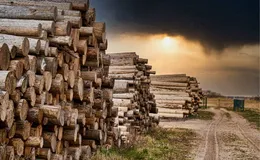
Paradoxically, Latvia — one of the largest exporters of timber — still builds relatively little with wood domestically. The Ministry of Economics’ proposal to mandate that all state and municipal buildings have wooden load-bearing structures sparked a mixed reaction in the industry. Many experts admit they are “shocked,” as such changes require both new knowledge and the willingness to abandon entrenched practices.
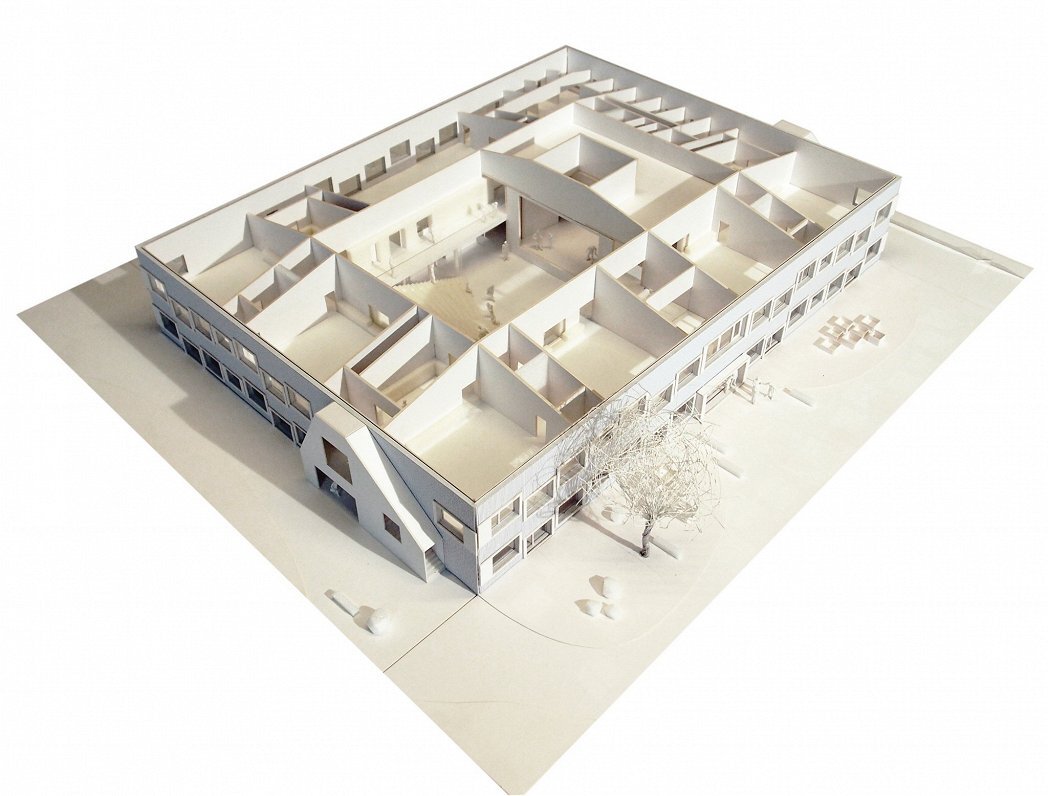
One of the most striking works by MADE Architects is the new wooden kindergarten in Salaspils. The competition won in 2018 evolved into a six-year project, during which they had to overcome regulatory constraints and various organizational challenges in construction.
At the time, Latvian regulations did not allow the construction of a two-story wooden kindergarten, so solutions were sought in Scandinavia. Swedish specialists, together with the architects, helped prove that the project was feasible and safe. “It was like: ‘Shall we jump with a parachute?’ — ‘Let’s jump!’ without knowing where we’d land,” the architects recall.
During the project, contractors had to be replaced, and resistance emerged due to the unprecedented scale of constructing such a wooden building in Latvia. “A very dangerous moment is when the general contractor lacks motivation,” explain MADE Architects. In such circumstances, mutual trust and the municipality’s readiness to make bold decisions were crucial.
To unify the vision and strengthen collaboration, the entire project team traveled to Sweden for a visit. Real-life examples helped make decisions that initially seemed too risky in Latvia. Adequate funding for design also allowed the involvement of high-quality partners — another key factor in the project’s successful implementation.
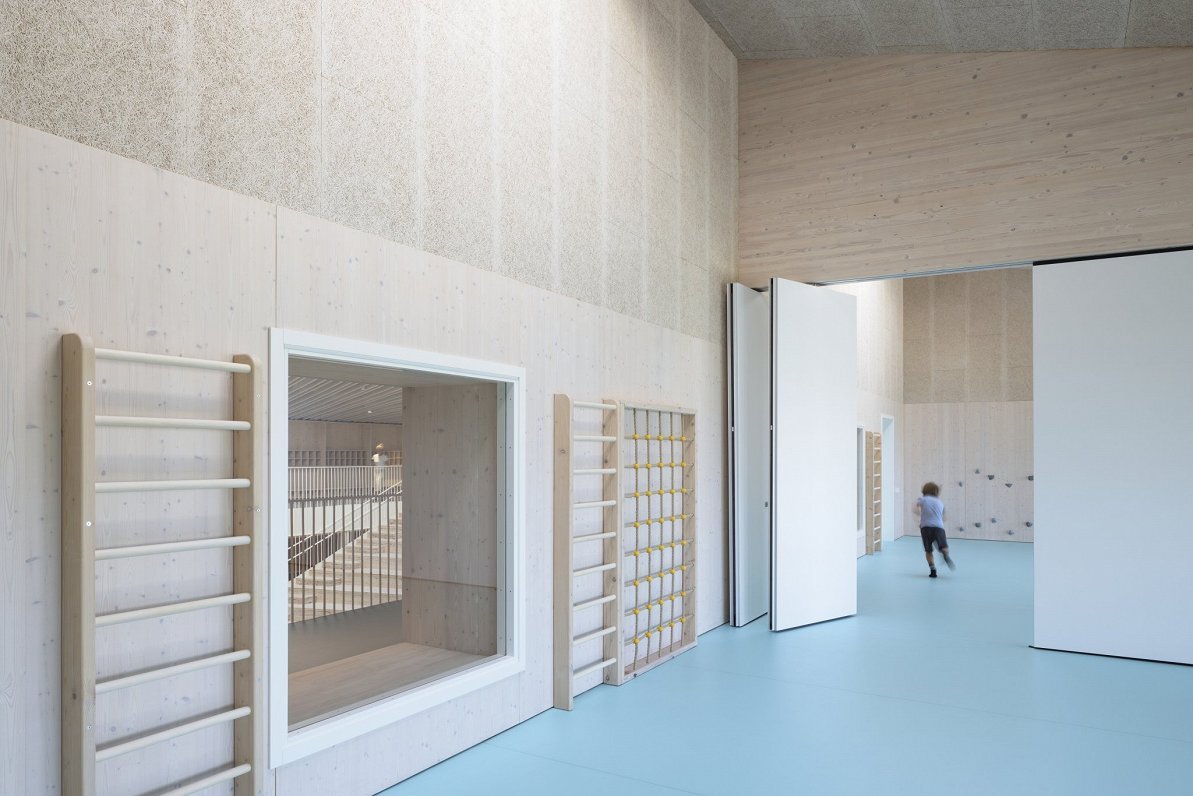
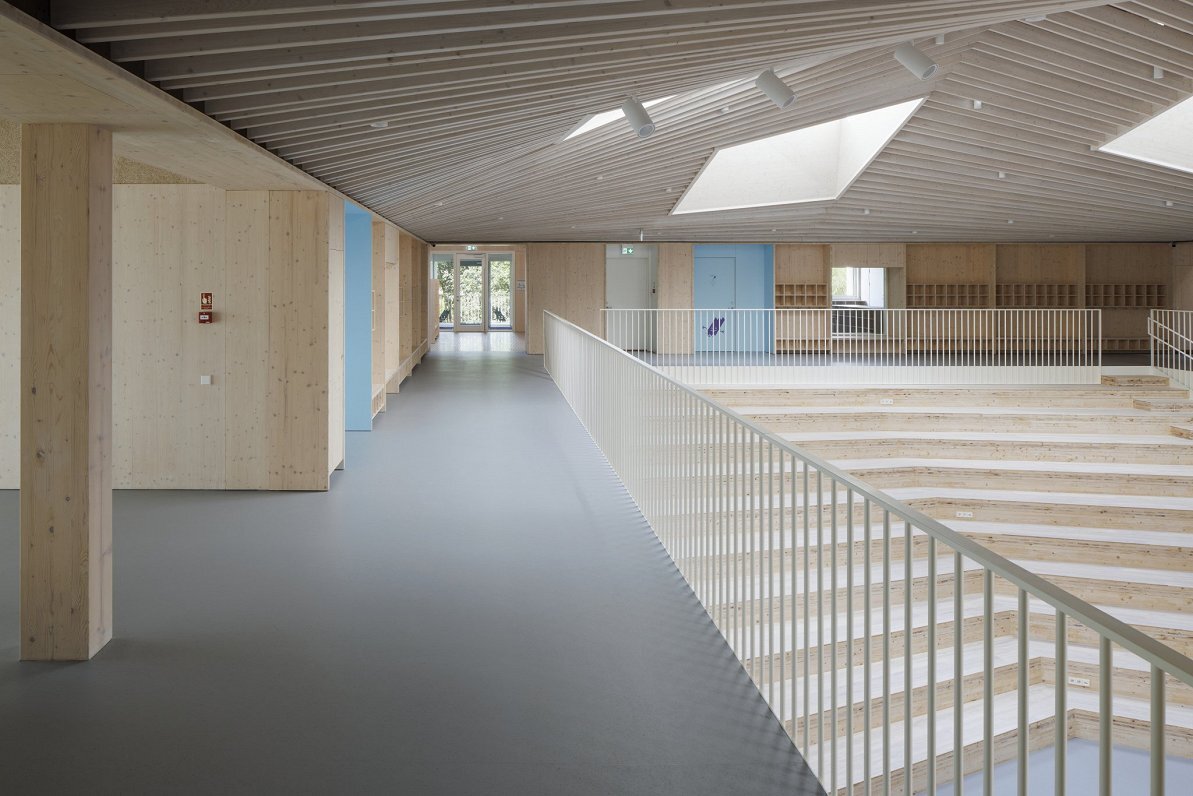
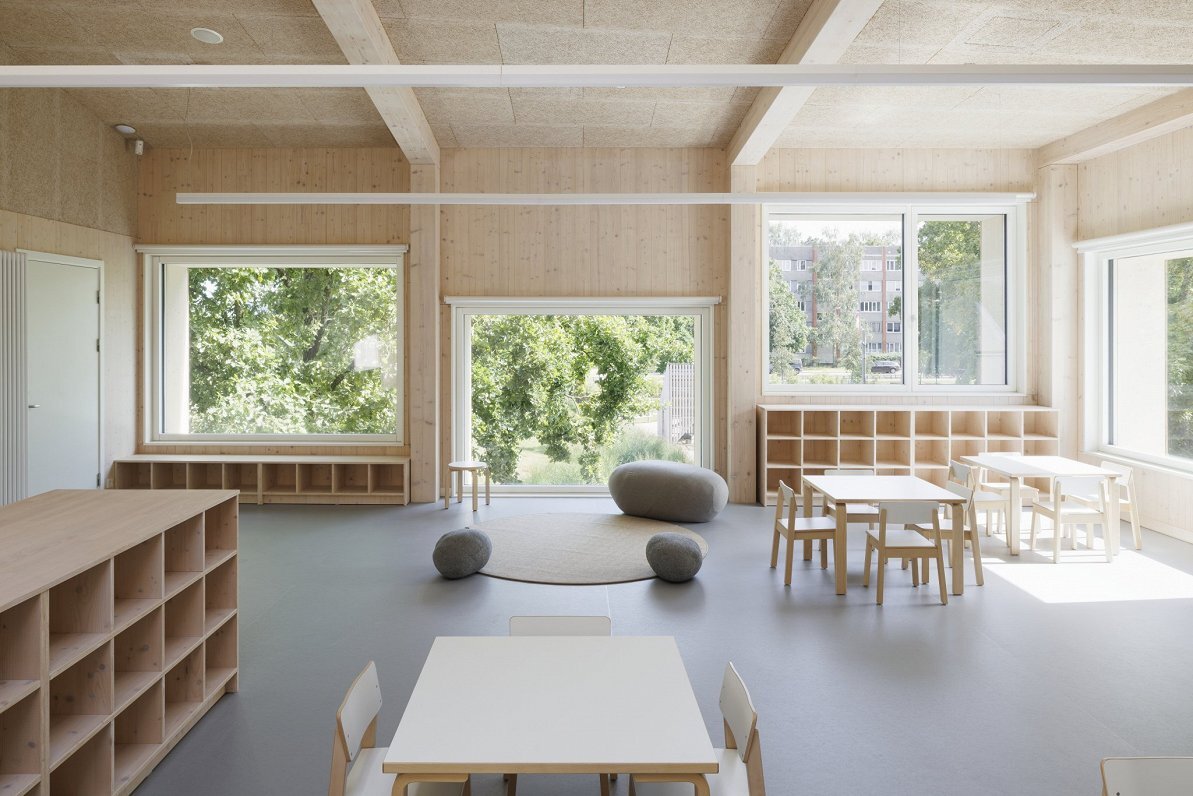
Inspired by Swedish experience, the Salaspils kindergarten adopted the concept of “No Boots! No Sugar!”, which means carefully considered hygiene and health solutions. Here, it’s not just about architectural aesthetics but also about invisible quality — clean air, non-toxic materials, and the natural scent of wood.
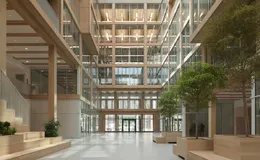
The architects emphasize that kindergarten architecture is a tool of social engineering that can significantly impact children’s well-being and teachers’ working environment. Therefore, the building features spacious connecting areas, transformable zones, and quiet spaces to help reduce stress and noise.
MADE Architects are convinced that Latvia must aim to become a leader in wooden public buildings rather than just a raw material exporter. The Salaspils kindergarten proves that innovative and complex projects can be realized with political will, a professional team, and a readiness to step out of the comfort zone.
Wooden construction in Latvia can become not a rarity but the new standard — for the benefit of both people and the planet.