1 Jun 2026
,Germany
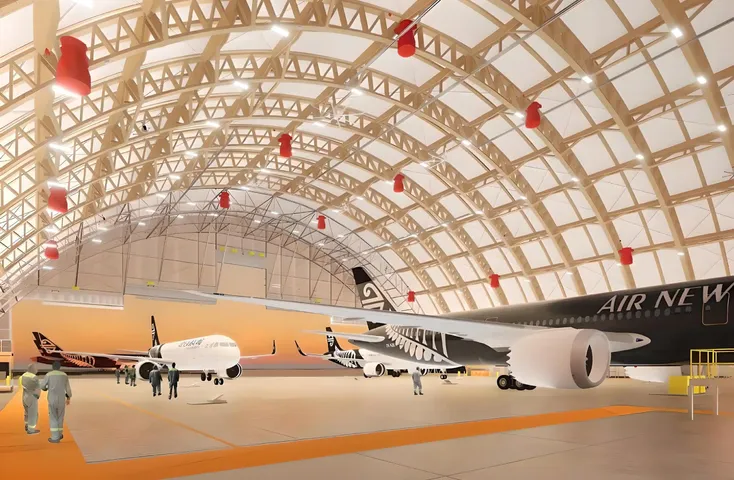
Air New Zealand's latest architectural marvel, Hangar 4, heralds a new era in aviation infrastructure with its completion in Auckland. This impressive edifice is not just another hangar; it is a feat of engineering and design, standing as the southern hemisphere's largest single-span timber arch. Stretching 98 meters, Hangar 4 is built entirely of timber, a choice that underscores the structure's resilience against adversities such as wind, water, and even severe earthquakes.
Designed with versatility in mind, this expansive span comfortably accommodates some of the world’s largest commercial aircraft. It can shelter either a Boeing 777, a Boeing 787 Dreamliner, or two Airbus A320/321 aircraft side by side, thereby centralizing Air New Zealand’s Auckland-based fleet operations and maintenance. This dual capacity reflects a strategic foresight, ensuring the hangar meets the diverse operational needs of Air New Zealand while maintaining efficiency.
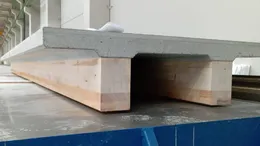
The backbone of Hangar 4’s construction lies in its use of approximately 1,200 cubic meters of mass timber. Two primary timber systems were instrumental in bringing this project to life: laminated veneer lumber (LVL) from Nelson Pine and cross-laminated timber (CLT) from Xlam. Timber was chosen not just for its aesthetic appeal but also for its structural advantages. It’s a material that brings a blend of flexibility and strength that is unparalleled in seismic regions like New Zealand.
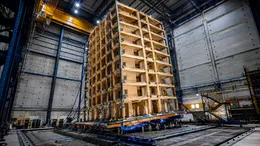
Engineered to flex significantly under seismic loads, the structure can handle deviations of up to 300 mm, a feature that provides resilience and makes it comparably superior to conventional materials like steel or concrete. This ability underpins timber's growing reputation as a viable option for constructing large-span, high-performance infrastructure in earthquake-prone areas, showcasing the material’s adaptability and strength.
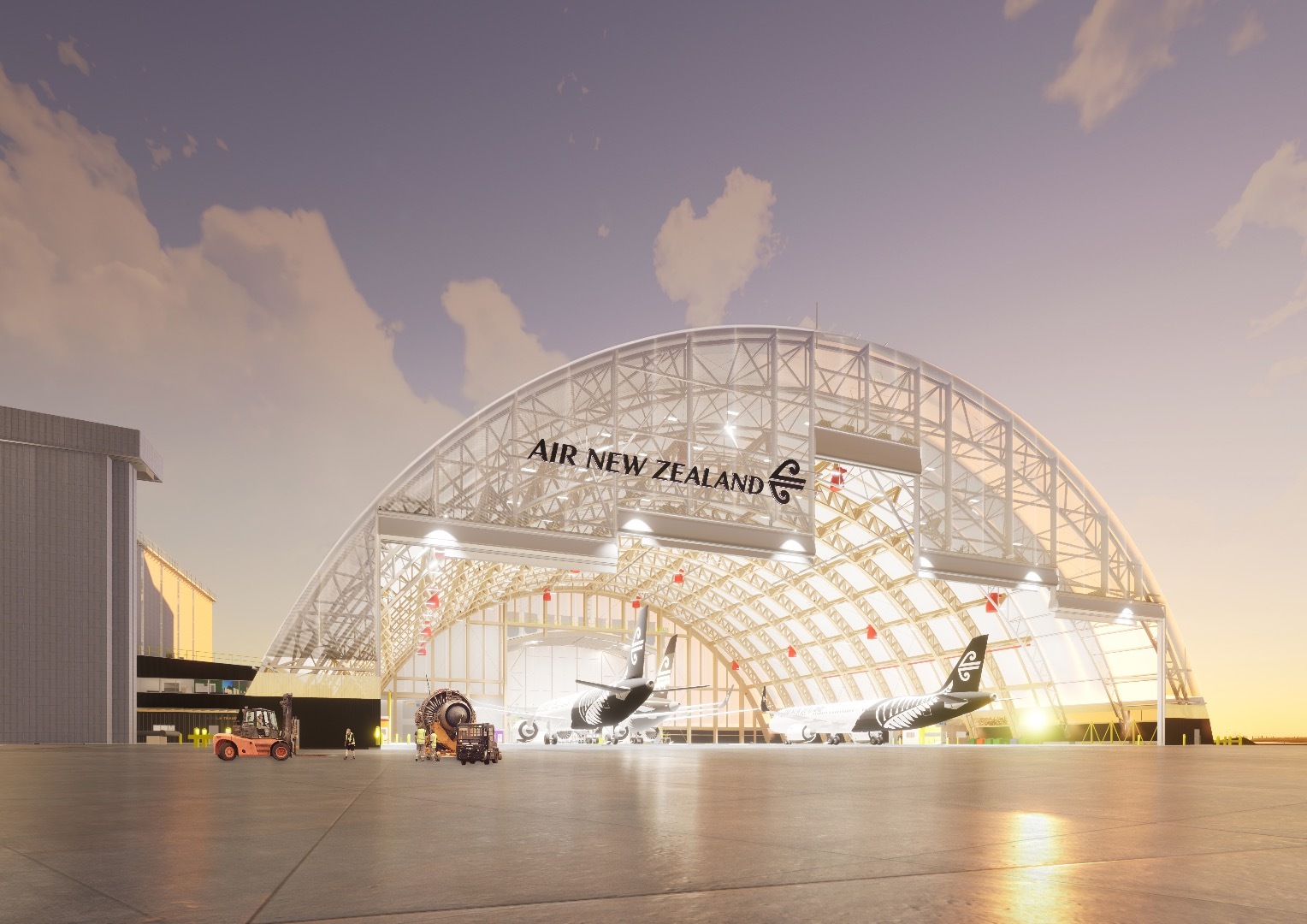
Bringing Hangar 4 from concept to completion was no small feat, requiring a symphony of collaboration across various professional disciplines. Patrick Thompson of Studio Pacific Architecture set the architectural vision that has now materialized into a functional and innovative space. The structure's robustness owes much to the expertise of structural engineer Chris Speed from Dunning Thornton, who ensured the hangar's design achieved both aesthetic and performance goals. Building the hangar was the responsibility of Jimmy Corric from NZ Strong, while Daniel Jones from Xlam played a pivotal role as the timber fabricator, turning designs into practical realities with precision.
The industry implications of this project are immense. By employing mass timber on such a scale, Hangar 4 not only sets a new standard for aviation infrastructure but also serves as a clarion call for the potential of timber in modern construction. The project exemplifies a successful collaboration that merges innovative design, robust engineering, and sustainable building practices, creating a facility that meets the growing demands of the aviation industry with a keen eye on sustainability and resilience.
The Timber Development Association, represented by Kylan Low, recognizes the significance of such groundbreaking projects. In showcasing this project at the final Timber Construct session, they highlight not only the collaborative effort that realized this undertaking but also the potential pathways for future developments in timber construction.
In summary, Air New Zealand’s Hangar 4 is more than an engineering triumph; it is a testament to what can be achieved with a commitment to innovative materials and collaborative construction efforts. This pioneering project sets a precedent, encouraging industries across the globe to rethink conventional construction methodologies and embrace the future with timber as a cornerstone of sustainable infrastructure development.