1 Jun 2026
,France
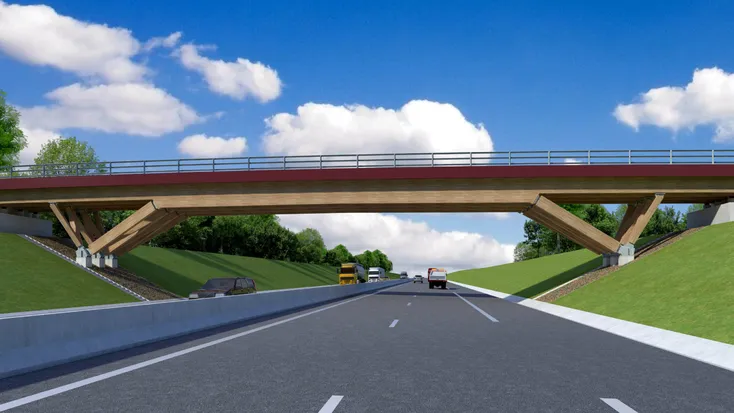
The A412 highway has set the goal of minimizing its carbon footprint by incorporating several innovations, including the construction of wooden bridges. The project targets a 20% reduction in carbon emissions compared to traditional construction methods.
The wooden structures are part of a broader low-carbon construction strategy, which also includes the use of low-carbon concrete, plant-based asphalt binders, the transport of certain materials by rail instead of road, and the reuse of embankment materials directly on-site. This approach relies on accumulating benefits at every stage, from material production to implementation.
Six structures will be made of wood, though the project does not aim for an "all-wood" solution. The choice of materials will depend on the span and the loads to be supported, with wood being reserved for low-traffic crossings, primarily on communal or forest paths. Some bridges will have spans of nearly 50 meters, a first in France for this type of highway structure, with traffic limited to light and agricultural vehicles.
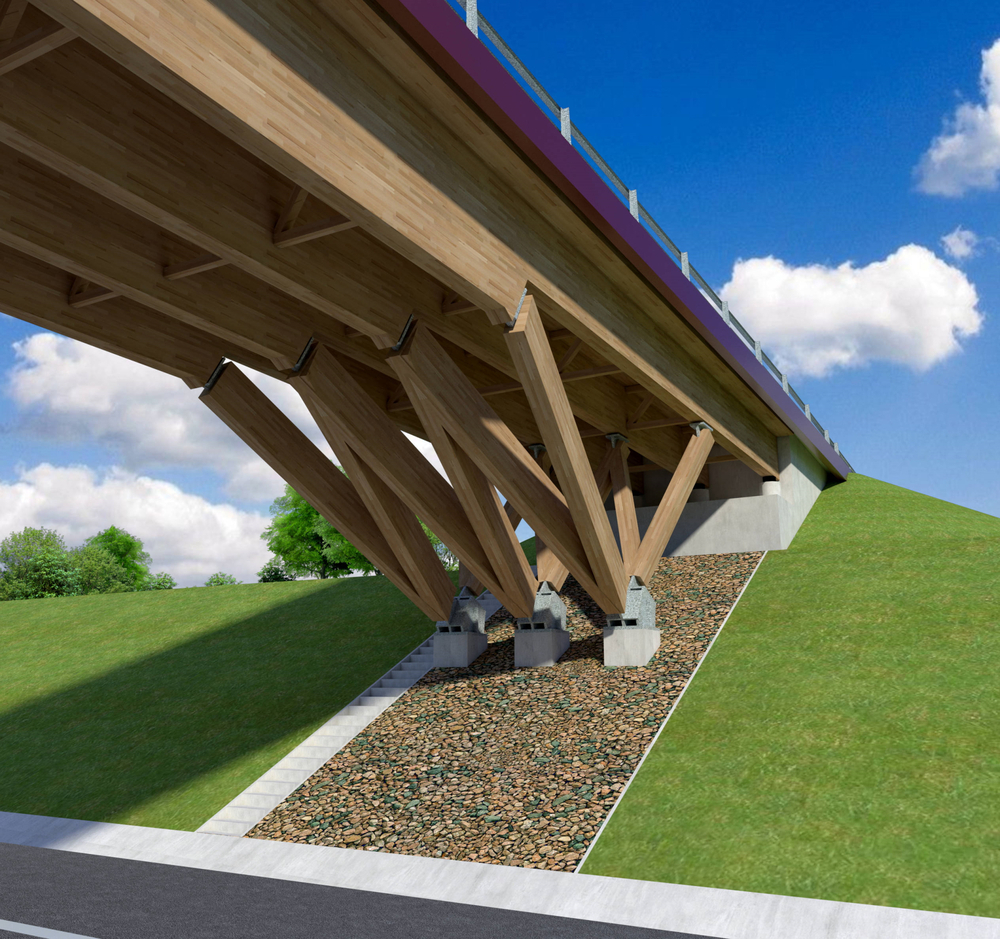
From a technical perspective, wood does not offer significant structural advantages but allows for faster installation thanks to prefabricated elements assembled on-site like a large module. This solution results in a moderate cost increase compared to conventional structures, offset by enhanced supervision. A technical committee of experts has been monitoring the project for two years to ensure the reliability and durability of the structures.
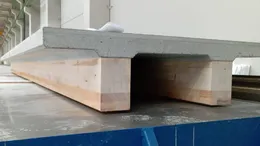
The bridges will use laminated timber beams and decks, protected by multiple layers, including a protective coating. Two configurations are planned, combining wood with concrete supports. The manufacturing and installation will be carried out by the company Mathis, which will act as both builder and installer.
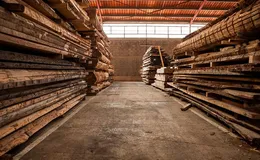
The wood used is expected to come mainly from central France, particularly Douglas fir for larger spans, while the timber planks may be supplied by various French sawmills. The operation will serve as a large-scale test, with feedback expected on costs, implementation, and operation over the first five to ten years. The challenge is to determine whether these wooden structures can become a benchmark for future highway projects.