

yesterday at 09:58
,Poland
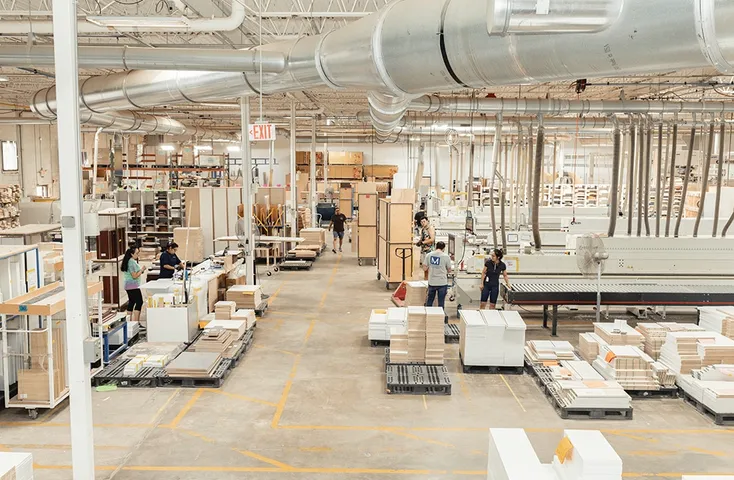
The postponement of the increase in US duties on furniture to 50% has given Canadian kitchen cabinet manufacturers only short-term relief. The already active 25% tariffs have significantly impacted the industry, and their consequences for production and employment, according to business estimates, will be long-lasting.
The kitchen cabinet industry in Canada is a significant sector with an annual turnover of about $4.7 billion. Exports to the US are estimated at approximately $600 million per year. Meanwhile, domestic demand has weakened due to a slump in the housing market, and trade restrictions from the US have dealt an additional blow to companies.
The decision to delay the immediate imposition of 50% tariffs has averted a sharp crisis, but the 25% tariffs have already led to profit losses and reduced competitiveness in the US market. Manufacturers note that US buyers are unwilling to pay significantly more for Canadian products, resulting in canceled contracts, delayed investments, and reevaluated supply chains. Since the introduction of the tariffs in October, layoffs have begun in the industry, putting thousands of companies and tens of thousands of jobs at risk.
An additional challenge arises from the structure of supply chains. Some furniture is produced in Canada using US raw materials, but when sold in the US, the finished products are still subject to duties. For businesses that have oriented themselves toward the US market for decades, this has been a blow to their established business model.
Companies acknowledge that certain government support measures, including the Build Canada program, have partially mitigated the situation, but they are calling for broader tax incentives across the entire construction sector. The industry also highlights the issue of cheap imported components, which complicate competition for local manufacturers and raise questions about rules of origin and the labeling of products as «Made in Canada».
Amid accusations from the US of duty evasion through Canada and Mexico, as well as Washington's statements about protecting national industry, a tough renegotiation of the CUSMA agreement is expected in 2026. Market participants believe that negotiations will be challenging, and the risk of new restrictions remains high.
While the 50% tariffs are on hold, the industry is hoping for a reduction in the current duties but is simultaneously preparing for increased trade pressure. Meanwhile, the 25% tariffs continue to negatively impact profits, investments, and employment in the Canadian furniture industry.