21 May 2026
,Ukraine
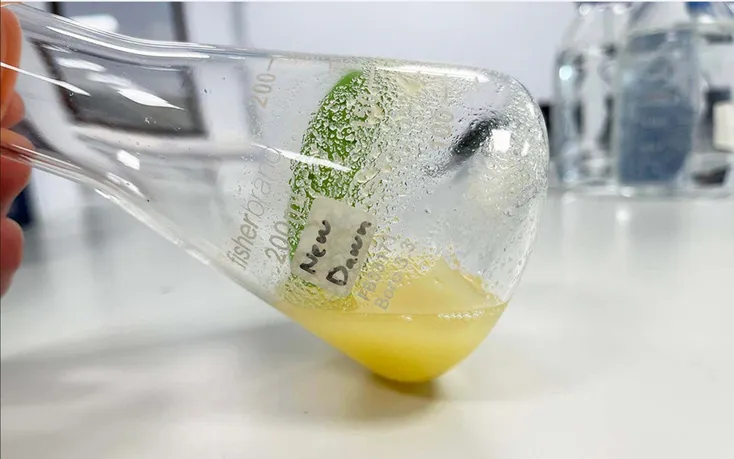
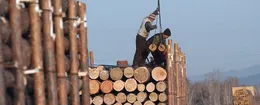
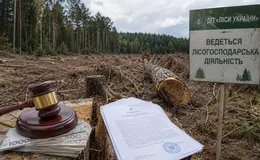
Wood is an important renewable raw material for construction and industry, but demand for it is growing faster than forests can regenerate. This threatens biodiversity and reduces the ability of forests to absorb CO₂. In Wageningen, the startup New Dawn Bio is developing an alternative: wood grown in a laboratory from plant cells, without cutting down trees.
The company uses stem cells from young plants that are cultivated in a nutrient medium. After a propagation stage, the cells are stimulated to transform into wood cells. Thanks to a patented technology, they connect themselves, forming real wood tissue with fibers and blood vessels, without the need for pressing or gluing.
The key advantage of the technology is speed. While traditional cultivation of high-quality wood takes decades, in the laboratory the process can take about a week. The wood is immediately formed into the desired geometry, and its properties - in particular strength and weight - can be adjusted during the growth stage.
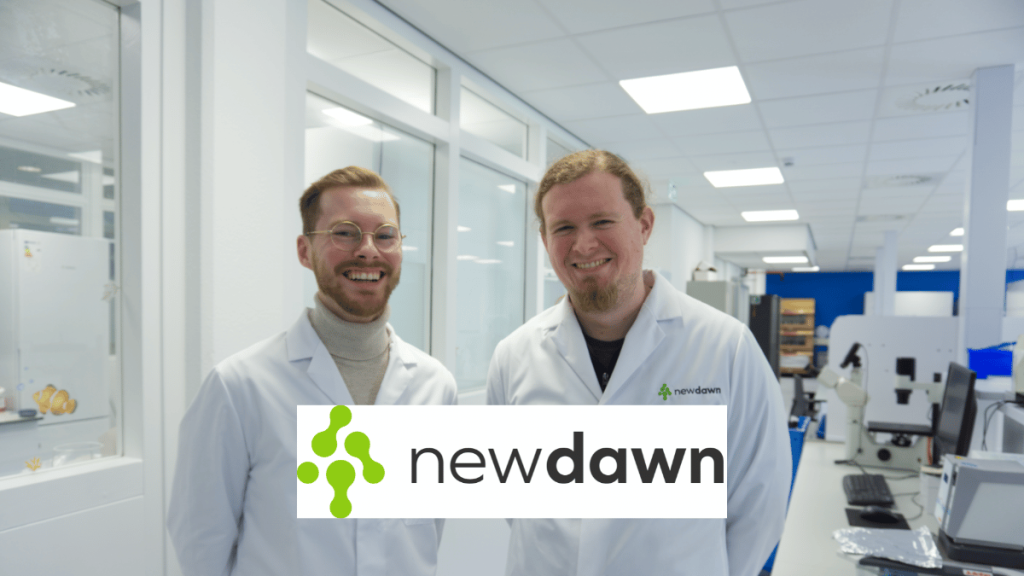
Founded in 2023 by Clement and Figler, the startup follows the “Tesla model”: starting with small volumes of expensive products and gradually scaling up. The first customers were industries with a shortage of high-quality wood, including yacht building and musical instrument production. According to the company, contracts worth millions of euros have already been signed.
The main costs are related to the nutrient medium, the cost of which is currently around 0.50 euros per liter, with the prospect of decreasing. The product is still in the development stage: a test sample has been created to confirm the viability of the technology. The next step is to produce shaped wood with the necessary strength and attractive texture.
To further develop, New Dawn Bio has received a subsidy of 1.4 million euros for a joint project with the Luxembourg Institute of Science and Technology. Development is underway in Wageningen with plans to scale up through licensing. The startup’s ultimate goal is to produce wood without deforestation and reduce pressure on nature and the climate.