2 Jun 2026
,Ukraine
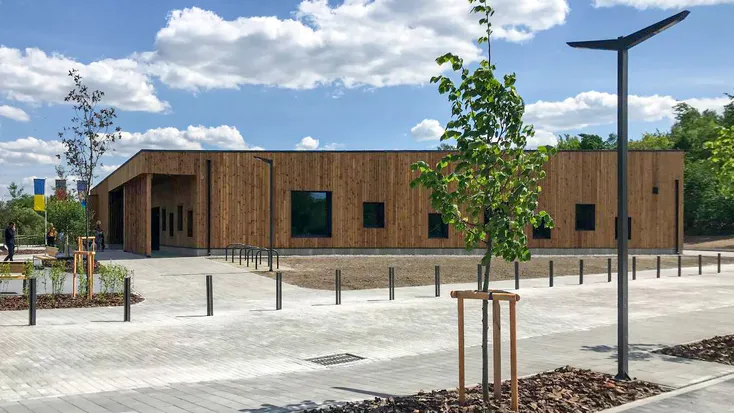
Concrete monstrosities are gradually losing popularity. Architects around the world are moving away from cold glass facades and massive concrete frames — instead, they are building skyscrapers from wood. New technologies have turned wood into a high-tech material capable of withstanding the loads of multi-story structures. In Europe, Canada, and Japan, wooden buildings have long stood tall, matching the reliability of steel or concrete constructions.
The key to this revolution is CLT technology — cross-laminated timber. Its concept is simple yet brilliant: boards are layered perpendicular to each other, bonded under pressure, and form incredibly strong panels. «The future will be built with wood,» — believes architect Andriy Bidakov. — «Modern chemistry and pressing technologies create a product that can compete with reinforced concrete in strength, while being significantly lighter and warmer.»
In Norway and the USA, wooden skyscrapers have already been erected — Mjøstårnet (18 floors) and Ascent Tower (25 floors). Their examples have proven that CLT ensures fast assembly, sustainability, and fire resistance. These buildings use minimal steel, while the wood absorbs carbon dioxide, making the structure climate-neutral.
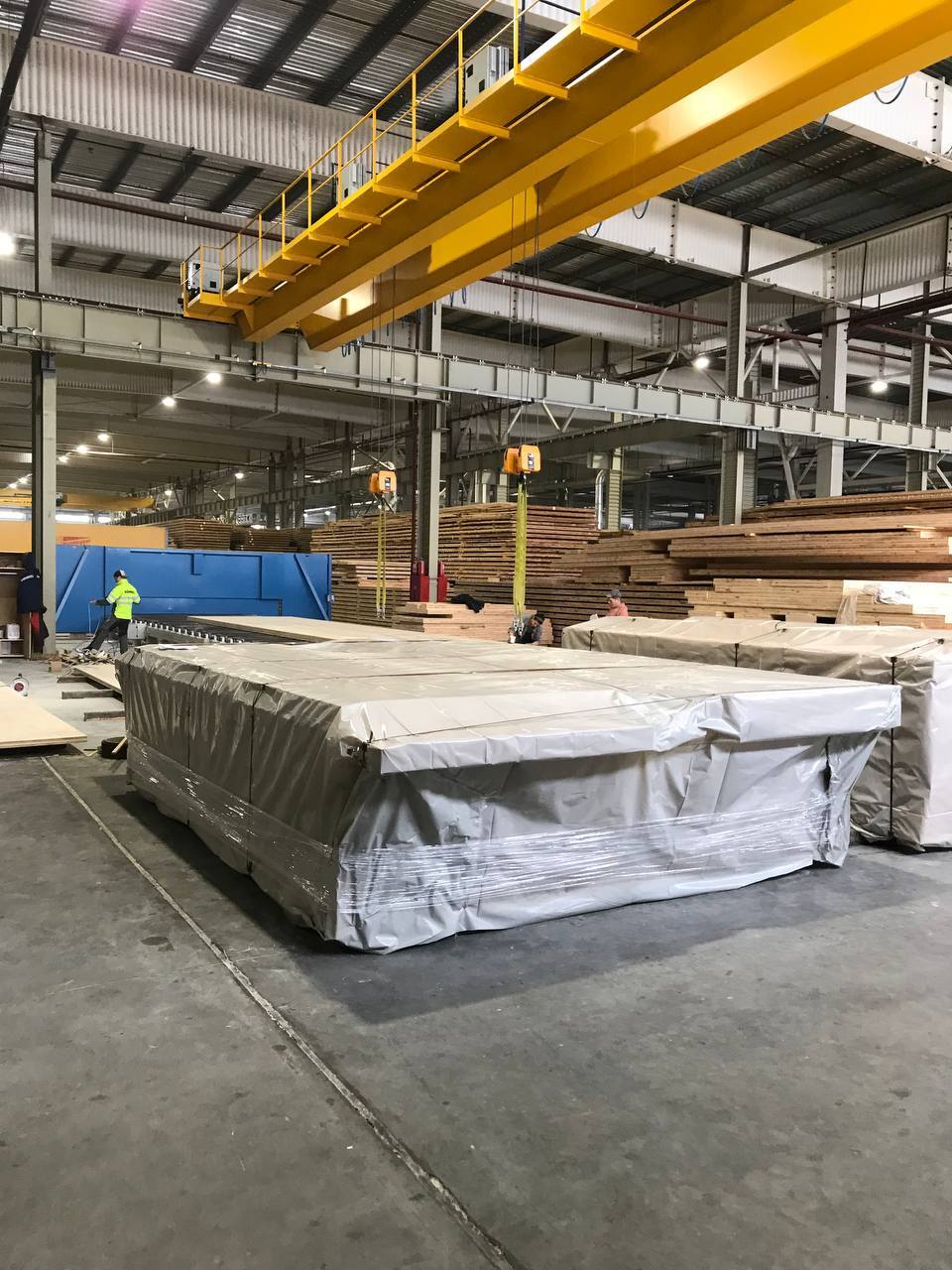
In Ukraine, CLT technologies are just gaining traction. «A few years ago, this technology was seen as experimental,» — says Vitaliy Bessmertny, head of the company “REZULT UKRAINE.” — «Today, we already have real projects in residential, public, and even defense construction.» The production of CLT panels in the country meets European standards: dried pine, certified adhesives, and precise digital machines are used.
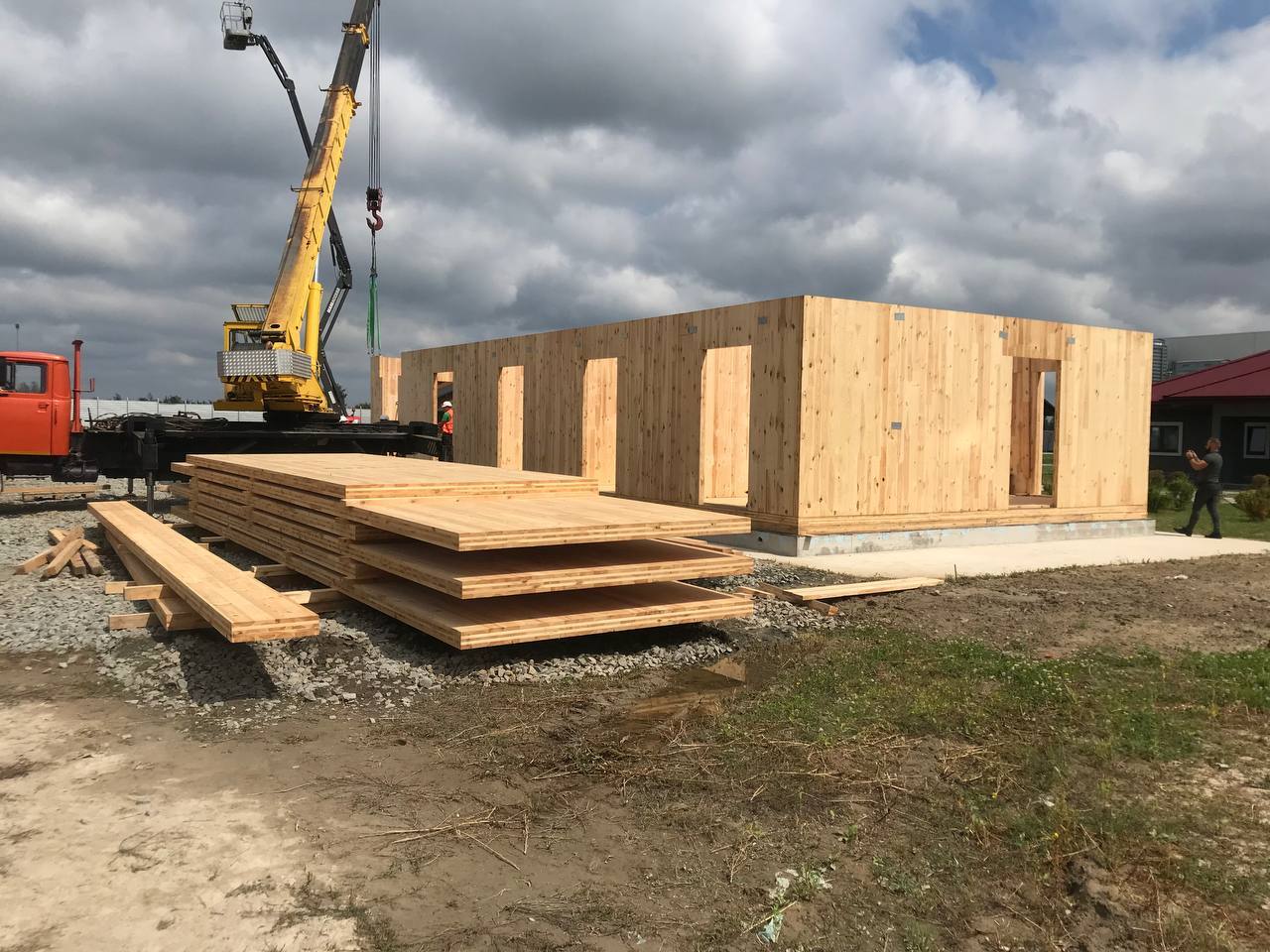
For developers, the advantages are obvious — speed, precision, and cost savings. «The panels are delivered, assembled — and that’s it. Minimal operations, clean, fast, accurate,» — explains Yaroslav Korniyachenko, a representative of the development sector. A wooden frame allows for the elimination of wet processes, reduces the weight of the structure, and simultaneously increases its energy efficiency.
The biggest challenge is overcoming stereotypes. «In public opinion, wooden construction is still associated with saunas or country houses,» — admits architect Dmytro Dudchenko. — «But modern wood is on a completely different technological level.» Experts emphasize that CLT panels have high fire resistance and, with proper design, are not affected by moisture.
Europe is already setting the trend. In France, starting from 2030, at least 50% of materials in public buildings must be of natural origin. Ukraine has a chance to join this trend — and at the same time create its own school of modern wooden architecture.
«Wood is a combination of culture, tradition, and technology,» — concludes architect Anatoliy Nemtsov. — «So why shouldn’t the new tradition of Ukraine’s future be the widespread construction of modern architecture using wood?»