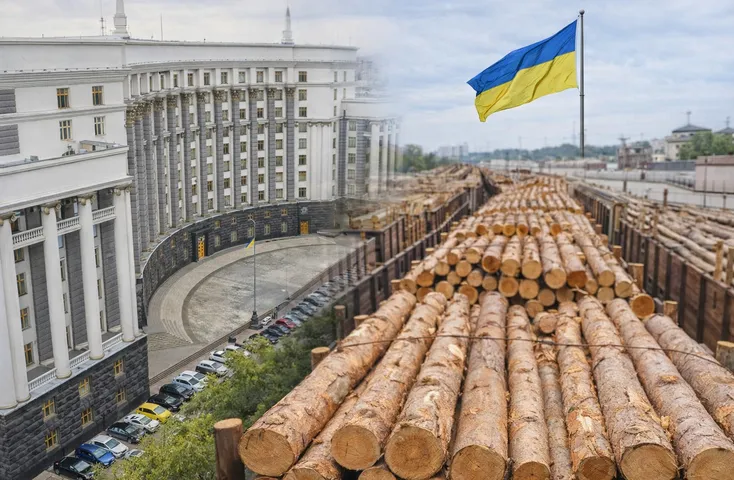
The Cabinet of Ministers has extended restrictions on timber exports until 2026, maintaining a licensing regime with zero quotas. In practice, this amounts to a ban on the export of unprocessed and fuel timber abroad. The decision is explained by the need to keep raw materials within the country and direct them toward domestic processing.
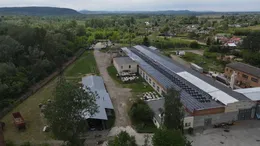
The government emphasizes that timber is considered a strategic resource, especially under wartime conditions and with reduced logging volumes. The restrictions are intended to support woodworking enterprises, which, due to a shortage of raw materials, are forced to operate inconsistently or remain idle.
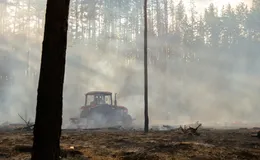
During the full-scale war, timber harvesting has significantly decreased due to combat operations and limited access to forest resources in several regions. This has intensified competition for raw materials between domestic consumers and export markets. The extension of restrictions is seen by the government as a way to stabilize timber supply on the domestic market.
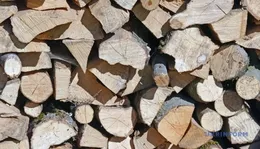
A particular focus is placed on the social dimension. For many communities, especially rural ones, firewood remains the primary resource for heating. Restraining the export of fuel timber is viewed as an element of local energy security.
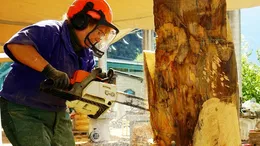
The government's rationale is that exporting unprocessed timber does not create added value for the economy. Instead, developing the woodworking and furniture industries allows for the retention of jobs, taxes, and production within the country, while finished products can be exported to foreign markets.
The restrictions on timber exports align with the broader context of a moratorium on the export of roundwood, which has been in place since 2015. During this period, investments in the woodworking sector have significantly increased, and exports of high-value-added products have more than doubled. The main markets remain the countries of the European Union.
The extension of timber export restrictions into 2026 is positioned by the government as a tool to support domestic processing, ensure energy security for communities, and bolster the economic resilience of the industry. The practical mechanism — licensing with zero quotas — is designed to ensure that timber is primarily used within the country rather than exported as raw material.