today at 09:29
,Germany
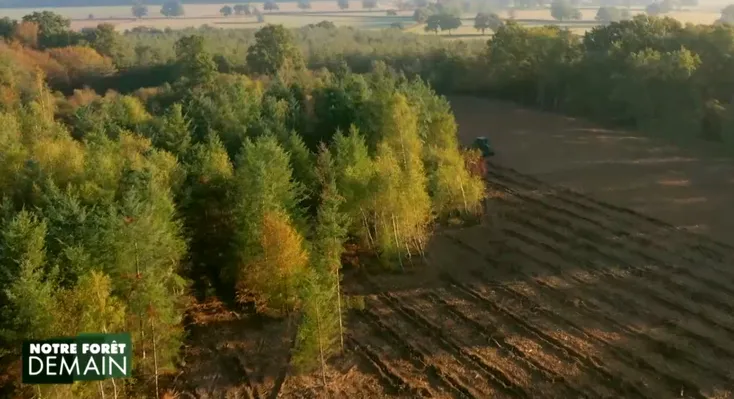
Unisylva is one of the largest forestry cooperatives in France. With 12,500 private owners and 330,000 hectares spread across Auvergne, Limousin, the Centre and part of Burgundy, it is a key player in the management and valorization of private forests. In Auvergne alone, where forest property fragmentation is particularly pronounced, the cooperative brings together 5,400 members. This momentum continues unabated: in 2025, 140 new memberships have already been recorded, reflecting growing interest among owners in organized management of their forest assets. This enthusiasm is explained by two combined factors: the climate emergency, which encourages better management of weakened wooded areas, and the growing economic appeal of wood as a strategic resource.
Climate disruption is redrawing the map of forest risks. Dieback, once rare or slow, is now more visible and rapid, sometimes affecting areas long considered suitable for certain species. Faced with these new challenges, the technical support offered by Unisylva has become decisive. The cooperative provides comprehensive assistance, from help with silvicultural management to wood marketing, enabling owners — often non-professionals — to navigate an increasingly complex environment.
Unisylva’s mission goes beyond production. The cooperative must simultaneously preserve forests as biodiversity habitats and maintain their productive vocation. This balance is all the more delicate as wood is establishing itself as an essential material and energy source in the transition to a decarbonized economy. Despite recent economic turbulence, demand for wood remains strong, confirming its status as a safe haven in a context of widespread uncertainty.
Softwood timber, dominant in the Auvergne massif, benefits from stable demand driven by construction and the packaging industry. Prices remain at satisfactory levels and regional sawmills are operating at full capacity, backed by this abundant resource. The picture is more nuanced for oak. While this noble wood retains appreciated versatility in framing and interior fittings, several of its traditional outlets are in decline: cooperage is suffering from the crisis affecting the wine sector, while markets for parquet flooring and railway sleepers are slowing. After the price increase recorded in the wake of the health crisis, oak prices have eased slightly, without losing their attractiveness.
The wood-energy market has stabilized following a surge fueled by subsidies for pellet stove purchases. But this lull could be short-lived. Rising fossil fuel prices risk reviving demand for wood energy at the very moment when forestry companies, major fuel consumers, are seeing their costs rise significantly.
The demand for wood energy could increase with the rise in fossil fuels, while forestry companies are already struggling to keep up.
— Benoît Rachez
This tension between narrow margins and rising production costs raises a structural question: who, ultimately, will absorb the additional cost? The companies in the sector, already weakened, or the forest owners tempted to monetize their assets? The answer will largely determine the sector’s ability to support the ecological transition while remaining economically viable.