As of November 1, 2025, the 10-year moratorium on the export of unprocessed timber of oak, beech, ash, and other hardwood species has expired. The government has introduced a zero quota on the export of timber and firewood until the end of the year to prevent a collapse in the forestry sector and protect national interests.
The history of the moratorium began in 2014 when a draft Law on the moratorium on the export of unprocessed timber was registered. On April 9, 2015, the Verkhovna Rada passed the Law, and on July 8, it was signed by the President only after a lawsuit by the law’s author, who demanded compliance with constitutional deadlines. On January 1, 2017, all provisions of the Law, including the 10-year moratorium on pine timber export, came into effect.
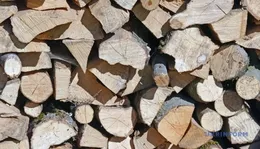
In 2018, criminal liability for timber smuggling was introduced, along with a ban on the export of fuel wood (firewood). The legitimacy of Ukraine’s moratorium was confirmed by the Arbitration Court’s decision on December 12, 2020, which recognized Ukraine’s right to restrict timber exports under conditions of environmental degradation threats.
Despite legislative and judicial decisions, Ukrainian and international lobbyists, as well as the so-called «forest mafia,» have repeatedly attempted to repeal the moratorium. Representatives of the Yatsenyuk government were particularly active in pushing for the resumption of unprocessed timber exports.
On November 1, 2025, the 10-year moratorium period expired. Due to the lack of a decision from the Verkhovna Rada, the government introduced a zero quota on the export of timber and firewood until the end of the year. The ban on exporting so-called firewood, often used as a loophole to bypass restrictions, is particularly significant. Experts note that the optimal solution for the Verkhovna Rada would be to extend the moratorium by amending the Law as early as 2025.
The 2015 moratorium led to a significant increase in tax revenues from national wood-processing enterprises. It is worth noting that a complete ban or substantial restriction on the export of unprocessed timber is in place in 35 countries worldwide, including Canada since 1906 and the United States since 1926.
As experts emphasize, if Ukraine aims to be a state with a strong national economy rather than a raw material appendage to the EU, it must encourage the creation of competitive domestic products and new jobs. It is also crucial to improve the functioning of exchanges so that real manufacturers, not intermediaries, have access to forest resources. Environmental protection should not be overlooked either: restoring forests damaged during the war will require a long time.