1 Jun 2026
,Ukraine
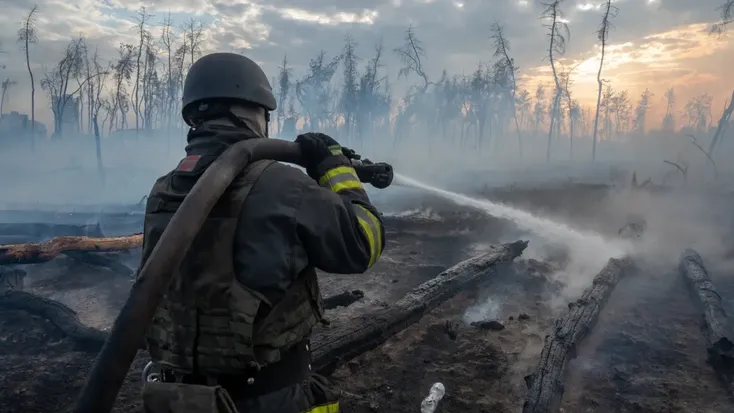
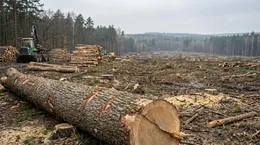
The forests of Ukraine have become a silent casualty in the ongoing conflict, with severe damage inflicted particularly in the eastern regions since the Russian invasion in 2022. This environmental degradation is not just a loss of natural beauty but a critical blow to the communities that rely on these forests for their livelihoods. The twin activities of logging and foraging, which are vital to the economic stability of many Ukrainian families, have been significantly hampered.
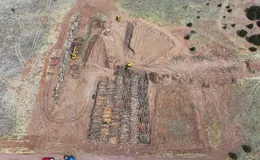
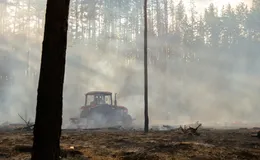
Persistent artillery fire and the occupation of land by military forces have led to widespread deforestation. Additionally, forest fires, often a result of military actions, have ravaged large swathes of woodland, further compounding the destruction. For the local communities, this means reduced access to resources traditionally gathered from these areas, making it harder to secure daily necessities and sustain economic well-being.
The degradation of forests extends beyond immediate economic impacts, creating a ripple effect on environmental stability and conservation efforts. Rangers, often the first line of defense in maintaining forest health, alongside environmental groups, face life-threatening conditions that deter them from safeguarding these ecosystems. This neglect has led to a notable loss in biodiversity, with certain species potentially facing extinction due to habitat destruction and imbalances within the ecosystem.
As the conflict continues unabated, the scope for conservation and restoration diminishes markedly. The complexity of implementing restoration projects in a war-torn landscape is compounded by the socio-political intricacies of the region, making international involvement crucial yet incredibly challenging. Efforts to promote sustainable management practices are stymied by persistent unsafe conditions and the dwindling resources and workforce capable of executing such programs.
The ongoing warfare does not just pose a threat to environmental restoration but exacerbates the already precarious position of the forest-dependent communities. The cycle of degradation and inattention leads to a progressively dire environmental situation that, without international intervention and a significant shift towards stabilization, risks becoming irrevocable.
Moreover, the war has displaced millions, adding a layer of complexity to the already critical human impact. Entire populations that once lived sustainably off the forest resources now find themselves without access to their primary means of survival. This displacement brings about not only economic hardship but also significant psychological impacts on those forced to leave their familiar environments behind.
The symbiotic relationship between Ukrainian communities and their forests underscores the need for surmounting socio-political barriers to garner international support. Only through concerted global efforts can there be hope for the restoration of Ukraine’s forests, thereby securing both biodiversity and the resilience of those who rely on them for survival.