
30 Jun 2026
,Austria
The developments in the field of heating systems in Austria highlight a significant shift in consumer preference toward more sustainable solutions. A remarkable increase in the use of wood fuels demonstrates growing awareness of environmentally friendly heating methods, while the consumption of fossil fuels is noticeably declining.
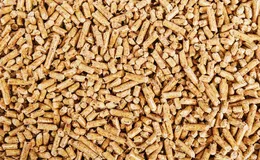
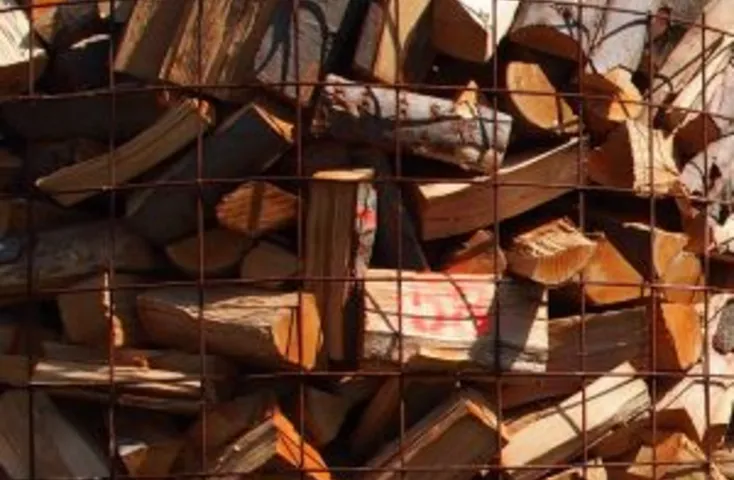
In the 2023/24 period, Austrians experienced a clear increase in the use of wood fuels. Individual heating systems for firewood, wood chips, pellets, or wood briquettes now cover about 34% of the space heating demand in households. This trend is further reinforced by the use of district heating from biomass and wood-fired power plants, raising the share of these energy sources to over 43%. This represents the highest value since records began.
The reasons for this shift are multifaceted. On the one hand, wood fuels are often cheaper and locally available, making them an attractive option. On the other hand, they benefit from a positive reputation regarding their environmental compatibility, as they are considered CO2-neutral, provided that wood resources are managed sustainably. Current political frameworks and government subsidies for the use of renewable energies also play a significant role in the decision to opt for wood-based heating systems.
This trend toward biogenic fuels is also reflected in long-term developments. Since 2003/04, the use of these fuels has increased by 40%, indicating a steady preference for more environmentally friendly heating solutions.
In summary, the future of heat supply in Austria is shaped by a significant transition toward sustainable and renewable energies. The growing importance of wood fuels as an environmentally friendly alternative stands out in particular.
Despite these positive developments, the use of fossil heating systems remains deeply entrenched in Austria. According to Statistics Austria, there are still 844,000 gas heaters and 443,000 oil heaters in operation. These systems, mostly installed in older buildings, continue to contribute significantly to the space heating consumption of households.
Since 2003/04, the consumption of heating oil has decreased by 38% and natural gas by 41%, yet the share of these fossil fuels in space heating consumption remains considerable at around 16% each. The challenges facing Austrian housing policy therefore include not only the promotion of renewable energies but also the gradual replacement of existing fossil heating systems with more sustainable alternatives.
Overall, a clear picture emerges: Despite the still-existing dominance of fossil heating methods, particularly in the form of gas and oil heaters, the development of heating in Austria is moving in an ecological direction with a focus on renewable resources. The willingness to invest in more environmentally friendly technologies is evident, and further expansion of political incentives and support will be crucial to sustainably strengthen this trend.
The long-term shift away from fossil fuels toward biogenic alternatives, combined with targeted support measures and technological progress, could provide the decisive impetus to create a more climate-friendly heating landscape in Austria.