
yesterday at 09:58
,Poland
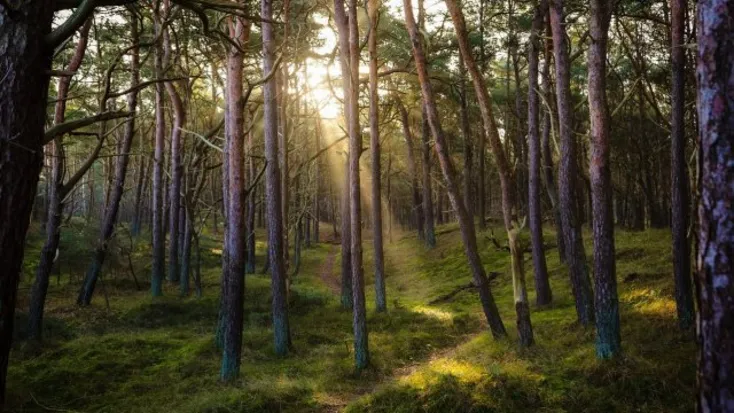
The Polish government is taking a significant step in its resource management strategies by drafting a new law that will classify timber as a strategic raw material, thereby restricting its export from the country. This decision reflects the growing recognition of timber's strategic importance to Poland's economy and aims to ensure its availability for national use. As global demands on resources intensify, Poland is positioning itself to secure its economic interests by safeguarding its timber reserves.
The primary objective behind drafting this legislation is to secure the availability of timber for Poland's national use. Timber plays a crucial role not only as a raw material for various industries but also as a cornerstone of the national economy. By restricting its export and classifying it as a strategic resource, the government aims to sustain its availability for Poland’s industrial and economic needs. The move to regulate timber export underscores its rising importance as a resource that extends beyond its immediate commercial value into broader economic and environmental considerations.
Poland's decision to treat timber as a strategic asset aligns with a broader trend among countries to prioritize their natural resources amidst fluctuating global markets and environmental challenges. Timber's classification as strategic ensures that it remains accessible for local industry needs, boosts domestic production capabilities, and mitigates vulnerabilities linked to overreliance on external markets. By safeguarding its timber resources, Poland is not only preserving its forestry legacy but also laying the groundwork for sustainable economic growth.
This legislative measure underscores the importance of preparing for future economic challenges by ensuring that critical resources are conserved for national interests. The government seeks to enhance national security and economic resilience by controlling the flow of timber resources, thereby supporting the country’s industrial backbone while promoting sustainable development.
The planned legislation signals a pivotal shift in the government's approach to resource management by advocating for policies that prioritize sustainability while meeting the economic demands of the present.
Underpinning these legislative efforts is the recognition that robust management of natural resources is integral to supporting Poland's long-term economic strategies. The proactive stance taken by the Polish government illustrates an understanding of timber’s multifaceted value, from construction and manufacturing to its role in environmental conservation and community livelihoods.
In today’s globalized economy, where resources are often subject to market volatility and geopolitical dynamics, Poland's move to regulate timber exemplifies a commitment to reclaiming control over vital economic inputs.
By defining a clear national interest in timber management, the government positions itself to leverage this resource strategically, catering to local industry demands while supporting broader national economic objectives.
Looking ahead, the law promises to establish a more systematic approach to timber management, which could potentially serve as a model for other nations seeking to prioritize critical resources for national benefit.
The culmination of these efforts will mark an important milestone in Poland’s legislative landscape, reflecting a coordinated strategy to align resource management with national priorities.
This initiative not only reinforces the notion of timber as a valuable national asset but also signals a proactive approach in the face of global resource challenges.
Poland’s legislative ambitions demonstrate a commitment to preserving its natural wealth while ensuring that such resources continue to play an instrumental role in advancing the nation's economic and environmental goals.
"This legislative measure is a testament to our drive to ensure critical resources serve the national interest," stated Krzysztof Paszyk. "By regulating timber exports, we are investing in Poland's future economic stability and sustainability."