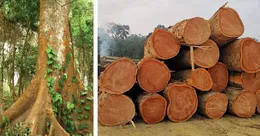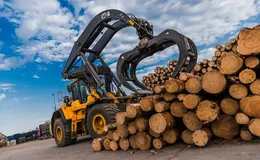
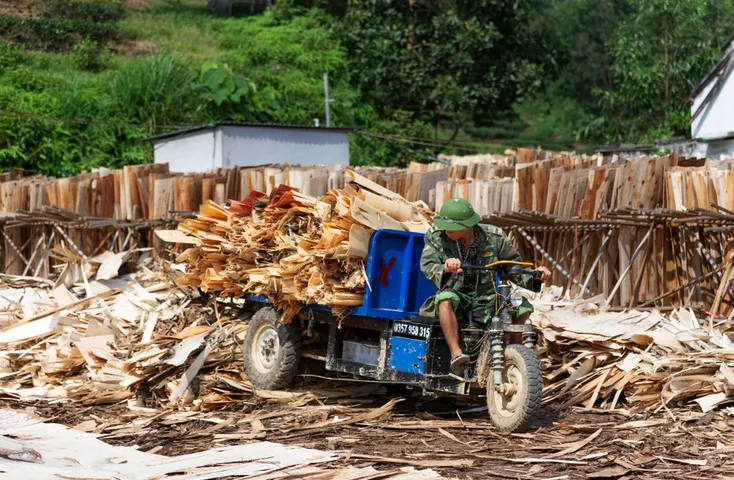
New Zealand is witnessing a remarkable surge in its timber exports, with a particular focus on Radiata pine, a species well-regarded for its strength and durability. The primary destination for this increase is Vietnam, a country that has climbed the ranks to become the world's second-largest exporter of timber furniture. This development is not only a testament to the quality of New Zealand's forestry products but also highlights the growing demands of Vietnam's furniture manufacturing sector.
At the heart of the burgeoning timber trade between New Zealand and Vietnam is a newly established Cooperation Arrangement. This bilateral agreement aims to fortify timber exports by tackling existing trade barriers within the forestry sector. It signifies a strategic partnership that promises to benefit both countries. By aligning their mutual interests, the two nations are laying the groundwork for a more streamlined trade process, paving the way for increased market accessibility and economic exchange.
A significant aspect of this Cooperation Arrangement is the recognition of New Zealand's Radiata pine under Vietnam’s evolving timber construction standards. For New Zealand exporters, this recognition is a pivotal step toward increased market penetration. As Vietnamese standards align more closely with global benchmarks, New Zealand's timber products are poised to capture a larger share of the market. This development ensures that New Zealand's Radiata pine continues to meet the growing demand for high-quality, sustainable materials in Vietnam's expanding construction and furniture sectors.
The economic implications of this strengthened relationship are substantial. With two-way trade currently valued at $2.68 billion, the expansion of timber exports is anticipated to further boost this figure. New Zealand already exports sawn timber to Vietnam annually worth $48 million, and this figure is expected to rise significantly as market opportunities broaden under the new arrangement. As a result, both nations are poised to benefit economically, with increased trade fostering job creation and economic growth.
Moreover, the arrangement presents an opportunity to address and mitigate any trade barriers that could impede the flow of timber products. This proactive approach ensures that challenges are addressed efficiently, enabling a smooth trade process and reducing any potential disruptions. By focusing on cooperation and mutual benefit, the arrangement underscores the commitment of both countries to maintaining a robust and dynamic economic partnership.
Vietnam's economic landscape provides a fertile ground for expanded trade with New Zealand, particularly in the forestry sector. The country's economy has experienced remarkable growth, more than doubling over the past decade. This rapid expansion is fueling demand for sustainable materials, such as timber, which are essential for construction and furniture manufacturing ventures.
The correlation between Vietnam's economic growth and its increasing demand for timber is clear. As urbanization and industrialization continue to advance at a brisk pace, there is a heightened need for construction materials that are both durable and sustainable. New Zealand's Radiata pine, with its exceptional strength and reliability, is well-positioned to meet these needs, making it an ideal choice for Vietnamese manufacturers.
Furthermore, Vietnam's ascent in global timber furniture exports serves as a catalyst for increased timber imports. The country's factories are in constant search of reliable raw materials to sustain their production lines and meet international demand. By leveraging the Cooperation Arrangement, New Zealand can effectively position itself as a key supplier, ensuring a steady flow of quality timber to support Vietnam's bustling manufacturing industry.
In turn, this relationship offers significant economic benefits for Vietnam. Access to high-quality, sustainable materials allows the country to produce superior products that meet global standards, enhancing its competitiveness on the world stage. As Vietnam continues to grow its export market, the economic returns are expected to support further domestic development, contributing to ongoing prosperity.
In conclusion, the strategic partnership between New Zealand and Vietnam marks a significant chapter in the global timber trade. By boosting timber exports, especially Radiata pine, both countries stand to gain economically while also supporting sustainable practices. As Vietnam's economy continues to expand, this mutually beneficial relationship is set to play a crucial role in shaping the future of the forestry and furniture manufacturing sectors in both nations.