1 Jun 2026
,Germany
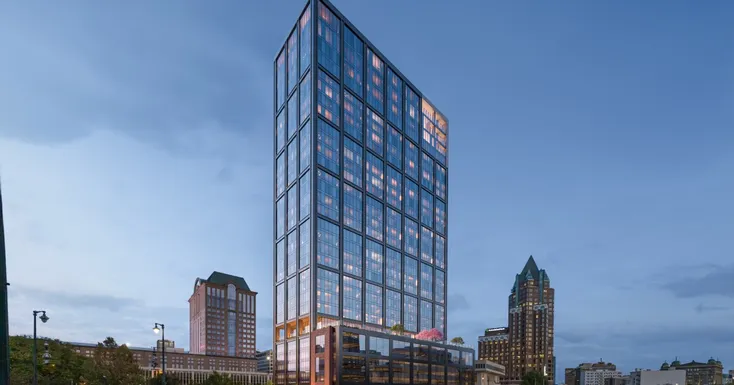
In an ambitious initiative to redefine urban landscapes and push the boundaries of sustainable architecture, a prospective timber skyscraper in Milwaukee, Wisconsin, stands at a crossroads. Named Neutral 1005 N Edison St, this innovative project was on track to establish itself as the world's tallest timber structure, reaching heights of 375 feet (114.3 meters). Yet, it now faces a potentially indefinite delay due to unspecified setbacks.
This project, upon completion, aims to surpass the current record-holder, the 284-foot (86.6-meter) Ascent, and boast a total of 31 floors housing 350 residences. Furthermore, its design envelops retail space, a fitness center, a health clinic, and a range of other amenities, thereby functioning as a mixed-use skyscraper poised to enhance urban living standards.
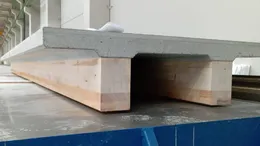
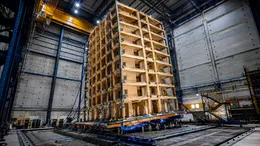
Central to its pioneering concept is the employment of modern mass timber products, including cross-laminated timber and glued laminated timber. These materials promise not only aesthetic appeal and environmental benefits but also signify advancements in timber construction techniques. The building would, however, incorporate concrete reinforcement in essential areas like the elevator and stair cores, ensuring structural integrity.
While the foundations of Neutral 1005 N Edison St are fully completed, marking a significant milestone, the current halt in its progress has raised a myriad of questions. Importantly, this pause is not attributed to engineering or construction flaws, leading to speculation about financial, regulatory, or logistical obstacles. The specifics of these challenges remain undisclosed, leaving stakeholders and the public eager for updates.
In the realm of high-rise construction, particularly one that endeavors to set new records and evidences sustainability, various complexities can arise. Projects of this magnitude often need to navigate through layers of permits, funding processes, and supply chain logistics. As developers seek solutions, the situation reflects broader industry tensions as builders balance ambitious eco-friendly goals against real-world constraints.
Additionally, this situation underscores the potential risks inherent in pioneering efforts, even as these projects herald potential environmental benefits and architectural innovations. The rise of timber skyscrapers stands as a testament to what modern engineering can achieve, but it also highlights the unpredictability that accompanies such groundbreaking endeavors.
Future resolutions regarding Neutral 1005 N Edison St’s challenges could shape not just the timeline of its own development but also have ripple effects across the wider field of sustainable architecture. The coming months will be crucial in determining whether Milwaukee will indeed be home to the world’s tallest timber building and a new landmark in eco-conscious urban design.
As the story unfolds, it will serve as an interesting case study on how modern cities adapt and integrate cutting-edge materials into their landscapes, all the while balancing functional, environmental, and aesthetic concerns. The outcome may very well chart a course for future innovations in urban development. Whether the skyscraper eventually towers over Milwaukee or becomes a lesson learned in visionary design, its journey remains a focal point for those watching the evolution of architecture through a sustainable lens.