
yesterday at 12:29
,Germany
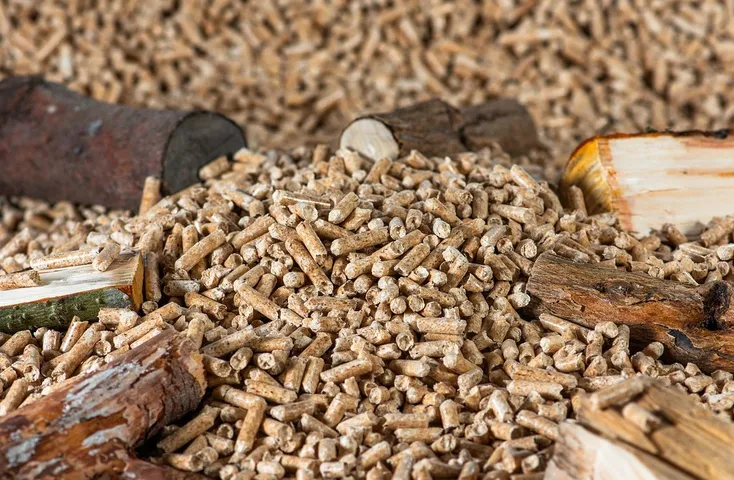
According to the German Pellet Institute (DEPI), the price of wood pellets in May 2025 has seen a significant reduction. Compared to the previous month, prices have fallen by 7.9 percent, which corresponds to the typical seasonal effect after the heating period. The current price averages at 315.89 euros per ton, translating to a cost of 6.32 cents per kilowatt-hour for consumers. This development provides a clear financial advantage for consumers, especially compared to heating oil, which now has a price disadvantage of around 28 percent.
The managing director of DEPI, Martin Bentele, emphasizes that the current prices present an excellent opportunity to replenish personal stocks. Taking advantage of this moment to prepare for the upcoming heating season can bring long-term economic benefits. Additionally, Bentele recommends paying close attention to quality and the ENplus certification when purchasing pellets. ENplus-certified pellets offer optimal combustion efficiency and help protect heating systems, which can reduce costs in the long run and extend the lifespan of the heating equipment.
The decision to use wood pellets as a heating source is becoming increasingly attractive. The price reduction described reinforces this trend and makes storage during the summer months worthwhile. With a price difference of 28 percent compared to heating oil, wood as an alternative energy source represents an economical choice. Especially in times when energy costs account for a significant portion of household budgets, the cost-effectiveness of pellets is unbeatable.
However, price is not the only deciding factor. The quality of the pellets plays a crucial role in the efficiency and environmental friendliness of combustion. ENplus-certified pellets guarantee consistently high quality, resulting in fewer ash residues, more efficient combustion, and less contamination of heating systems. In the long term, consumers benefit from lower maintenance costs and a longer lifespan for their heating systems.
In the coming months, the trend of price advantages for wood pellets is likely to continue, as demand traditionally decreases during the summer months, and continuous production leads to lower storage costs. Buying pellets now, when prices are dropping, is a smart investment for the future and ensures price stability for heating costs.