1 Jun 2026
,Germany
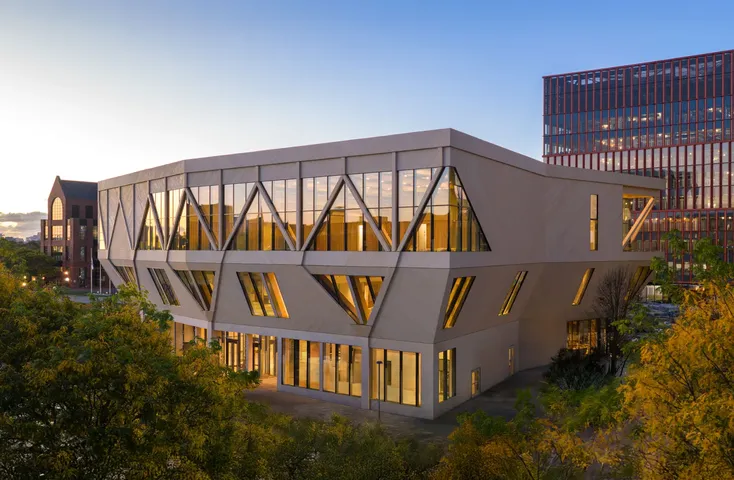
In a bold move toward sustainable architecture and interdisciplinary collaboration, Harvard University has unveiled its first solid wood building — the David Rubenstein Treehouse. Designed by innovative architecture firm Studio Gang, led by Jeanne Gang, the project demonstrates a transformative approach to campus design and could become a new standard for zero-carbon educational institutions around the world.
The Treehouse is 55,000 square feet in total. Not only is the building architecturally stunning, it also epitomizes low-carbon construction at a prestigious research institution. Located on the new Enterprise Research Campus in Allston, Treehouse demonstrates the potential of sustainable design for the future of education.
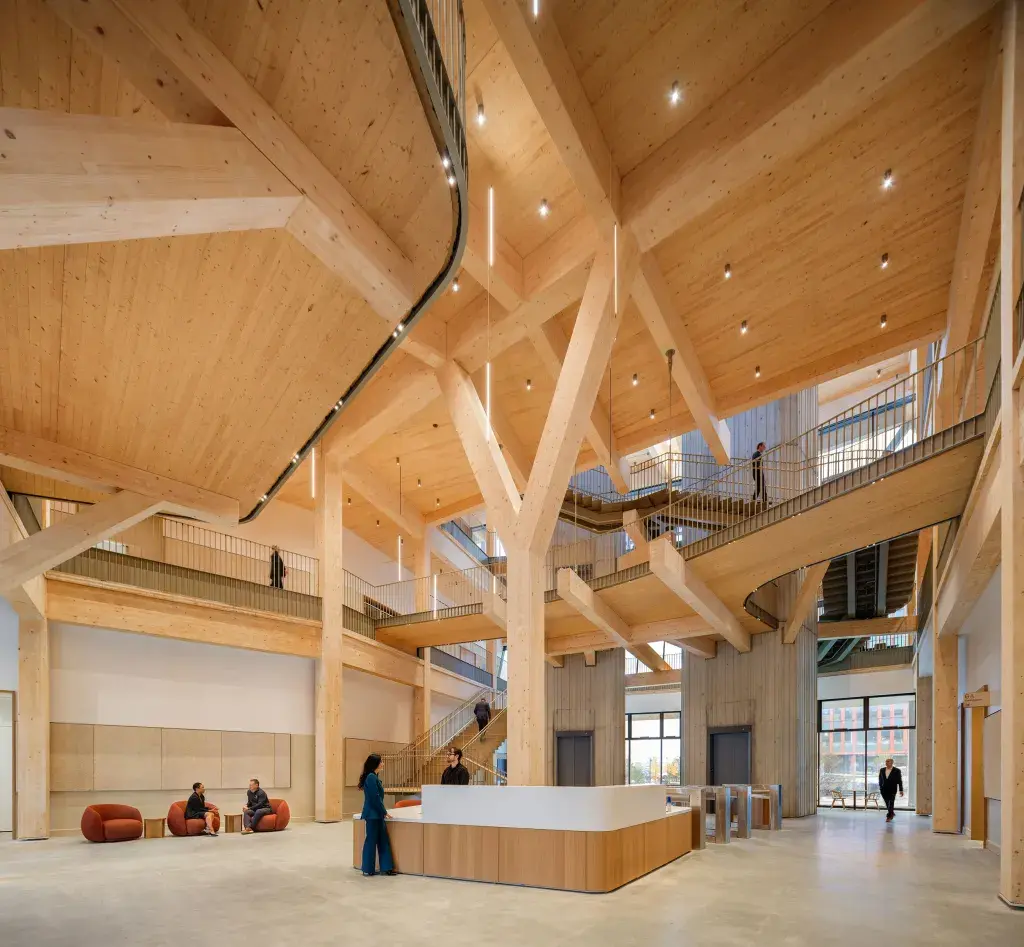
The building’s design reflects the need for collaborative and interactive spaces, which has become particularly important in the wake of the COVID-19 pandemic. A double-height atrium and three ground-level entrances create an open and accessible space for all users.
The central staircase and exposed solid wood structure create the feeling of ascending into a “treehouse”. This design adds a playful element while also emphasizing the building’s commitment to sustainability through the use of renewable materials.
Jeanne Gang, the creative mastermind behind the project, highlighted the strategic positioning of the building’s core, which encourages casual encounters and dialogue between users, increasing the potential for interdisciplinary collaboration — a key goal of this meeting center.
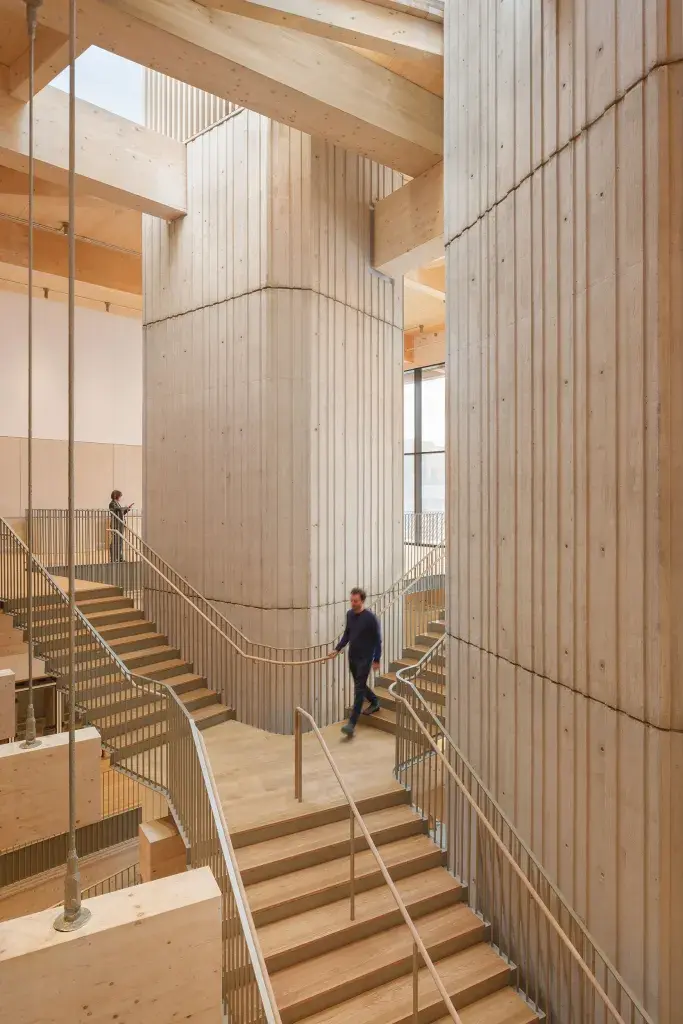
Universities around the world are facing the challenge of reducing their carbon footprint while creating environments for collaborative learning and innovation. Harvard’s David Rubenstein Treehouse stands out as a model. The building minimizes its environmental impact through its solid wood construction while simultaneously fostering active user interaction and creativity.
This combination of sustainable design and collaborative functionality is a major milestone in the development of campuses. Treehouse demonstrates that educational institutions can simultaneously preserve nature and serve as incubators for progressive ideas within architecturally attractive and innovative spaces.
Treehouse promises to inspire a new generation of zero-emission educational institutions around the world, proving that it is possible to create beautiful buildings that integrate harmoniously with the natural environment and serve as dynamic centers of academic and social interaction.