

yesterday at 09:58
,Poland
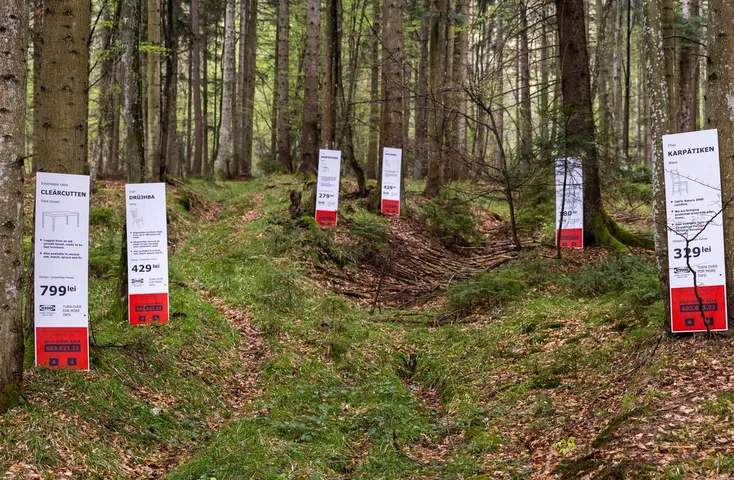
A recent investigation by Greenpeace CEE raises serious questions about the sourcing practices of furniture giant IKEA and their impact on the environment. Published under the title “From Forest to Barcode: IKEA's Supply Chain Threatens Romania's Last Irreplaceable Forests,” the investigation reveals details about how the company’s commercial activities could contribute to the destruction of significant forest ecosystems in Romania’s Carpathian Mountains.
At the heart of the investigation are the rare and ancient forests of the Carpathians, which scientists warn are under severe threat. These ecosystems not only host unique biodiversity but also play a critical role in climate regulation and soil protection against erosion. Despite the alarms raised by the scientific community, the lack of permanent protection measures leaves these forests vulnerable to exploitation.
Mihnea Matache, spokesperson for Greenpeace Romania, emphasized the gravity of the situation: “It is crucial to protect these forests, which are essential not only for Romania but for the entire global community. This is a moral issue that affects us all.”
Greenpeace has accused IKEA of being repeatedly warned, since last year, about the devastating impact of its sourcing activities in these areas, yet failing to take concrete action. This raises questions about corporate ethics and the responsibility IKEA bears in addressing such a significant environmental issue.
To draw public and customer attention to this situation, Greenpeace organized a striking projection on the facade of the IKEA Băneasa store in Bucharest. The message of the projection was clear: urgent action is needed to protect the Carpathian forests from harmful commercial practices that, without strict oversight, may continue to degrade them.
The ethical dimension of this issue cannot be overlooked. There is growing pressure on multinational companies to reevaluate their practices through the lens of sustainability and environmental impact. This investigation amplifies the discussion on how companies, regardless of their size, have a responsibility toward the environment and must collaborate with conservation organizations to find viable solutions.
It remains to be seen how IKEA will respond to these allegations and what measures it will take to align its supply chain with the ecological standards necessary to protect these vital ecosystems.