1 Jun 2026
,Ukraine
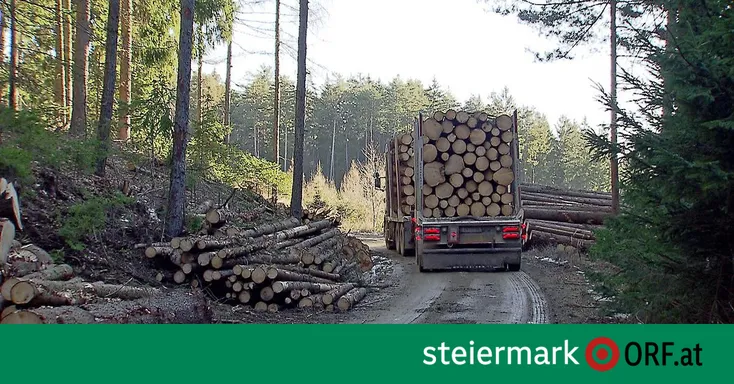
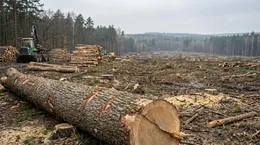
A recent study has produced alarming figures: The destruction of tropical rainforests reached its highest level in over two decades last year. This development highlights the urgent need for effective measures to halt the ongoing loss of valuable forest ecosystems. Tropical rainforests play a crucial role in the global climate, acting as an indispensable carbon sink. Their continued destruction significantly contributes to the rise in greenhouse gas emissions and threatens biodiversity.
In response to these alarming figures, the European Union is planning to introduce the so-called EU Deforestation Regulation (EUDR). The goal of this regulation is to ensure that only products not linked to deforestation are allowed on the EU market. The affected products include a wide range, such as timber, paper, soy, beef, coffee, cocoa, and palm oil. Companies offering these products must prove that their supply chains are deforestation-free, regardless of the country of origin of the products.
This EU initiative is a significant step toward sustainable economic practices and could bring about substantial improvements in global forest management. The regulation aims to increase pressure on countries with high deforestation rates by tying access to the European market to strict environmental standards. It is a sign that the EU is willing to use its market power to promote environmental protection measures.
However, there is also criticism of the planned regulation. Andreas Steinegger, President of the Styrian Chamber of Agriculture, expresses concerns that the bureaucratic burden associated with the regulation could be disproportionate. Especially for smaller businesses, the requirements could pose a significant burden and potentially distort international competition.
Furthermore, the regulation could particularly negatively impact forest-rich European countries like Austria. Austria has a strong forestry sector, and the new rules could present special challenges for forest owners and timber-processing companies. The documentation requirements for deforestation-free supply chains could become complex and costly, increasing the administrative burden for the affected businesses.
To counter the criticism of excessive bureaucracy and ensure that the regulation is effective and practical, the EU could consider offering supportive measures for small and medium-sized enterprises. This could, for example, take the form of financial assistance or technical support to facilitate the transition to deforestation-free supply chains.
Overall, the EU Deforestation Regulation stands as a potentially groundbreaking tool in the fight against global deforestation and the promotion of sustainable economic practices. While the challenges associated with its implementation should not be underestimated, the regulation provides a clear direction and sets effective standards to achieve the EU's environmental protection goals. It remains to be seen how these rules will be implemented in practice and what impact they will actually have on global trade and the environment.