

yesterday at 09:58
,Poland
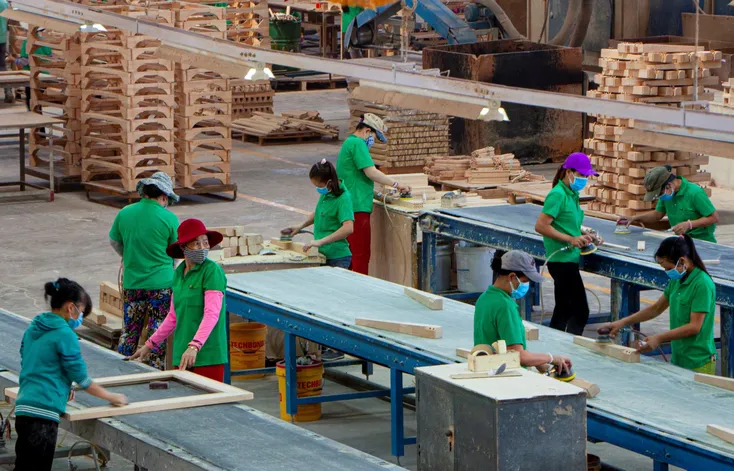
Vietnam remains the largest supplier of wooden furniture to the US market, but as 2025 approaches, the industry faces growing trade, regulatory, and natural risks.
In 2024, exports of wood and wood products to the US amounted to $9.46 billion (+4.4%) and accounted for 55% of the industry's total exports. In the first eight months of 2025, imports of Vietnamese furniture to the US grew by another 9% to $6.1 billion.
Japan became the second most important market: exports there grew by more than 23% and exceeded $2 billion for the first time, surpassing China. The US, Japan, and China are expected to account for about 80% of Vietnam's exports in 2025.
Wooden furniture remains the main export category (about 61%), while the share of wood chips, sawn timber, and pellets is growing, indicating gradual diversification.
Key risks include possible US anti-dumping duties, the introduction of the European EUDR regulation, and production disruptions due to storms and floods. The response to these challenges should be to strengthen the raw material base and reform the forest land management system.
In December 2024, the Vietnamese government decided to restructure agricultural and forestry enterprises and move from a socially oriented model of forest use to one focused on increasing productivity and added value.