2 Jun 2026
,Ukraine
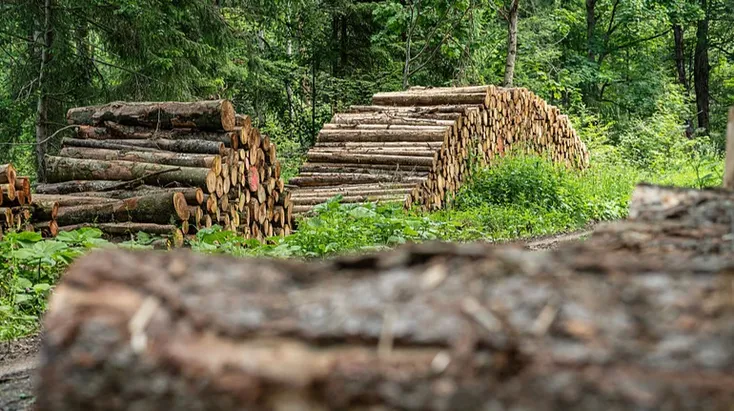
The current situation in Ukraine's timber market reflects significant changes occurring within the industry. The rise in prices for industrial fuel wood (firewood for industrial use, or FW) during the third quarter auctions has become one of the key indicators of these changes. Prices for FW have increased by more than 20%, a notable figure compared to previous periods.
The results of the main auctions highlight a high demand for round timber. The volume of contracted timber stands at 98%, reflecting stability and interest in this type of product in the market. Additionally, industrial fuel wood (FW) has seen mass sales, with a volume of 94%, indicating active participation by the industry in acquiring wood for its needs.
The General Director of the State Enterprise "Forests of Ukraine," Yurii Bolokhovets, noted that, unlike fuel wood, prices for round timber are not experiencing such rapid growth. This may be the result of a balance between supply and demand or strategic actions by suppliers. Most stakeholders are satisfied with the stability of pricing policies, which helps avoid sharp fluctuations in the market.
This slowdown could have a positive impact on manufacturing companies that use round timber as raw material, allowing them to plan their expenses more accurately and develop long-term growth strategies. It also reflects the stability and predictability of the industry, which are crucial factors in attracting investments and fostering cooperation with international partners.
It is important to consider that the timber market is quite sensitive to changes in external factors such as climatic conditions, political decisions, and economic trends. Consequently, every movement in the market can have a significant impact on other sectors of the economy, particularly those closely tied to the forestry industry.
Such changes necessitate adaptation and modernization of processes to meet current challenges. Companies involved in the forestry sector must continuously improve their working methods and adopt the latest technologies to enhance efficiency and maintain competitiveness in the market.
Conclusions from the auctions and the distribution of timber volumes indicate significant dynamics within the industry, forcing it to remain flexible and prepared for change. This period serves as a test of the industry's ability to adapt and endure in challenging conditions, but it also presents an opportunity to implement new solutions that could positively impact the country's economy as a whole.