Mondragón Opens in Álava the Largest Sawmill in Southern Europe to Lead the European Forest Industry
yesterday at 12:58
,Spain
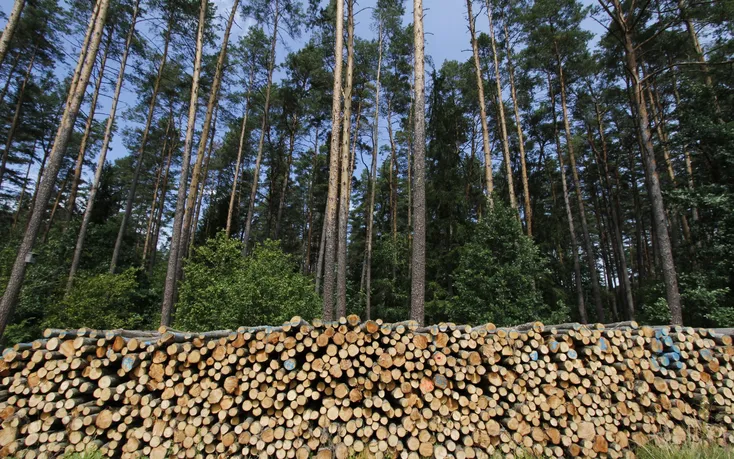
The National Debt Register highlights an alarming situation in the Polish wood industry. The sector's debt has surpassed 100 million zlotys, signaling a significant deterioration in its financial condition. This is undoubtedly a serious issue that demands immediate action and an analysis of the causes behind such a rapid increase in financial liabilities. Since 2022, when the debt stood at 68 million zlotys, it has steadily risen and now reached a dangerous threshold. It is crucial to understand the mechanisms contributing to this situation and what measures can improve the outlook for the future.
The increase in debt within the wood industry since July 2022 is a phenomenon that severely impacts the financial health of companies operating in this sector. It is worth noting that a debt level of 100 million zlotys is a concerning sign, especially considering that it has been steadily rising since the beginning of 2025. This growth in debt may stem from several factors, including declining production, rising raw material costs, and challenges related to forest resource management.
Declining production over the past two years further complicates the situation. Companies are struggling with reduced orders and difficulties in selling their manufactured products. The drop in production not only contributes to increased debt but also exacerbates the financial condition of businesses. This also has long-term consequences for the broader economy and the workers employed in this sector.
The value of wood product output, which in 2022 amounted to 70.3 billion zlotys, is currently threatened by unstable market conditions. The wood industry today faces numerous challenges, such as rising production costs, pressure for sustainable resource management, and competition in the international market. All these factors require a strategic approach and effective solutions to help the sector weather these difficult times.
One of the key elements that could help improve the situation of the Polish wood industry is effective forest resource management. The new director of State Forests faces the challenging task of reforming wood sales policies. This requires striking a balance between economic needs and environmental requirements. Introducing more transparent and sustainable practices could contribute to reducing debt and improving the financial health of the sector.
Ecological forest management is not only a demand of our times but also an opportunity for the sustainable development of the wood industry. Leveraging modern technologies, investing in research and development, and educating workers are essential components for enhancing the competitiveness of the Polish wood sector. Changes in forest resource management should go hand in hand with market diversification and product innovation, which will increase the added value of Polish wood products on the international market.
In summary, the situation of the wood industry in Poland requires urgent action. Rapidly growing debt, declining production, and the need for reforms in forest resource management are issues that must be addressed promptly to ensure the sustainable development of this vital branch of the economy. Integrated government and industry actions are necessary to enhance the financial stability of companies, improve production and resource management efficiency, and strengthen the position of the Polish wood industry in the international market.