
1 Jun 2026
,Australia
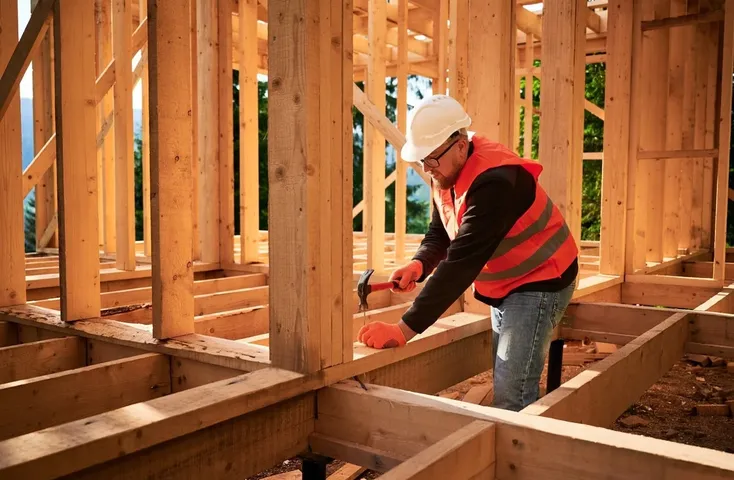
In the realm of advancements in construction technology, wooden nails have emerged as a noteworthy innovation, poised to challenge traditional metal fasteners. Reimagined through recent breakthroughs in densification techniques, wooden nails promise to redefine timber building by offering superior shear performance compared to their metal counterparts.
A pivotal study conducted by researchers in China has paved the way for a deeper understanding of the capabilities and applications of wooden nails. This study delved into the optimization of wooden nail connections by analyzing crucial variables such as nail diameter, sheathing material, and spacing. The objective was to enhance the assembly process in prefabricated timber construction, a sector increasingly leaning toward sustainable practices.
The research undertook full-scale loading tests on structural-grade spruce-pine-fir (SPF) in conjunction with oriented strand board (OSB) and structural plywood. These materials were selected to evaluate the efficacy of wooden nails in wall-frame shear walls, a critical component in structural integrity. The findings were compelling, demonstrating that, when appropriately optimized, wooden nails could indeed provide a robust alternative to metal fasteners.
This study is instrumental in showcasing the practical potential of wooden nails, spurring curiosity and interest in further exploration and application in timber constructions. The wooden nails not only held their ground under substantial loads but also contributed positively to the overall performance of the shear walls. Such results are encouraging to architects and builders who are in search of efficient, cost-effective, and sustainable materials.
Moreover, by tweaking the diameter and evaluating compatibility with different sheathing materials, the research underscored the versatility of wooden nails in multiple construction scenarios. These adjustments allow for a tailored approach, ensuring that the wooden nail connections optimize the structural performance based on specific project requirements.
Performance, however, is just one aspect where wooden nails shine. It's the combination of performance and sustainability that truly makes this innovation a game-changer in construction.
The potential implications of these findings are significant, hinting at a shift in construction methodologies that could see wooden nails being adopted more widely, thereby showcasing the power of nature-inspired solutions in modern engineering.
Beyond performance, durability is another realm where wooden nails hold a significant edge over metal fasteners. Wooden nails address a common pitfall associated with metal in construction: corrosion. Over time, exposure to moisture and environmental elements can cause metal fasteners to lose their integrity, leading to weakened structures. In contrast, the enhanced durability of wooden nails, devoid of rust and corrosion, presents a longer-lasting solution that builders could capitalize on.
Apart from technical performance, wooden nails offer notable environmental benefits. The shift from metal to wood aligns with the global emphasis on sustainable practices, reducing the industry's reliance on metal resources—resources that require significant energy to extract, process, and transport. Wooden nails, being derived from renewable resources, inherently possess a lower carbon footprint. They foster a cycle of sustainability, from production through to installation in buildings.
The environmental impact of transitioning to wooden nails is marked not just by reduced carbon emissions but also by promoting healthy forestry practices. As demand for wooden products increases, there is potential for more investment in sustainable forestry, contributing to ecological balance and conservation initiatives.
Despite these advantages, challenges remain in the deployment of wooden nails across industries. It’s crucial for manufacturers to ensure that wooden nails are developed to withstand diverse environmental conditions while maintaining their integrity.
The future of construction may well include a significant place for wooden nails, not only as components of building but also as symbols of innovation in sustainable practices. As the industry evolves, integrating environmentally friendly options without compromising on quality and performance could lead to a new era in construction methodology.
In conclusion, while wooden nails are still at the early stages of widespread acceptance and use, the promise they hold in advancing both the environmental and functional aspects of building construction is compelling. The journey of integrating wooden nails into modern construction is one of collaboration—among researchers, engineers, and environmentalists—to push for solutions that not only enhance construction processes but also benefit the planet. As more studies and technological advancements unfold, wooden nails may well anchor themselves firmly in the annals of architectural history.