22 May 2026
,Germany
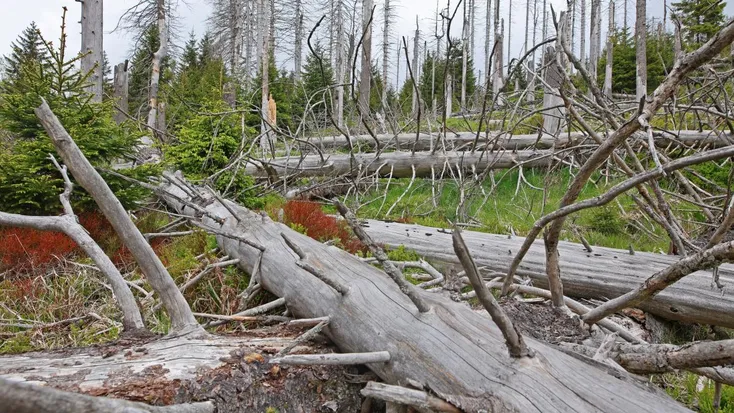
The condition of forests in Germany is alarmingly poor, as highlighted by the Forest Condition Report 2024 presented by Agriculture Minister Alois Rainer. This report serves as a wake-up call for policymakers and society to take the protection and preservation of our forests more seriously. Approximately one-third of the trees in Germany are significantly damaged, with spruce and beech trees particularly affected. The challenges stem from a combination of climatic changes and biological threats.
Heat, drought, and pests such as the bark beetle are the primary causes of the decline in forest health. Climate change has significantly intensified these factors, weakening the trees’ natural defenses and making forests more susceptible to pests. Spruce trees are especially impacted, as they are not naturally adapted to the extreme climatic conditions that are becoming more frequent due to climate change. Beech trees are also suffering greatly, as they struggle to cope with prolonged drought periods.
Against this alarming backdrop, forest restructuring has come into sharp focus. There is an urgent need for action to secure the forests for future generations. Moving away from monocultures towards diversified and resilient mixed forests is a key strategy to address the challenges of climate change and pest outbreaks. Greater species and structural diversity can create robust ecosystems that are better equipped to handle drought and pests.
Implementing this strategy requires substantial efforts. Long-term funding programs and intensive research are essential. Only through continuous financial support and innovative approaches can forest restructuring be effectively achieved. New planting methods and the use of modern technology could bring further progress. Research into climate-resilient tree species also plays a critical role in this process.
The importance of political involvement in these efforts cannot be overstated. Political support is crucial to effectively implement the necessary adaptation measures and protection strategies. Only through clear and consistent political leadership can the required funding be secured and the legal framework established to enable such ecological projects.
Furthermore, collaboration between politics, science, and society is of central importance. Protecting forests is a complex and long-term task that requires the coordinated efforts of all authorities, institutions, and communities. Only through collective action can the resilience and vitality of forests be ensured in the long term.
In summary, Germany faces the urgent challenge of protecting its forests and preserving them for future generations. Climate change poses significant risks, but through strategic forest restructuring and close cooperation among all stakeholders, there is hope that the forests can recover and become more resilient. The Forest Condition Report 2024 has underscored the urgency of this task and must serve as a catalyst for decisive action.