1 Jun 2026
,Germany
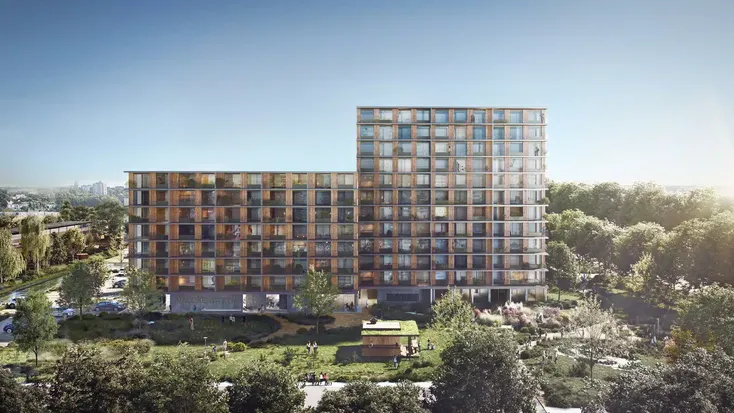
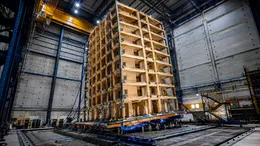
In the heart of Rotterdam, a groundbreaking architectural feat is taking shape, setting a new benchmark for sustainable social housing. The Valckensteyn building, an initiative by the Powerhouse Company, is revolutionizing the concept of eco-friendly living spaces with its pioneering use of cross-laminated timber. This ambitious 12-storey structure accommodates 82 units and is designed to be completely demountable, facilitating future reuse and adaptation without compromising its integrity.
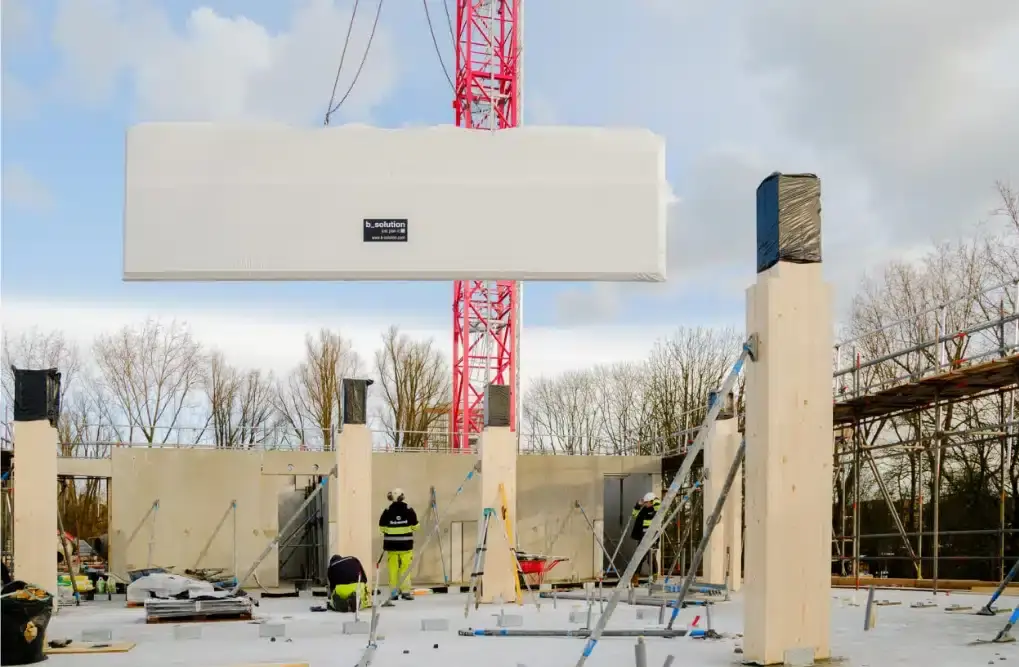
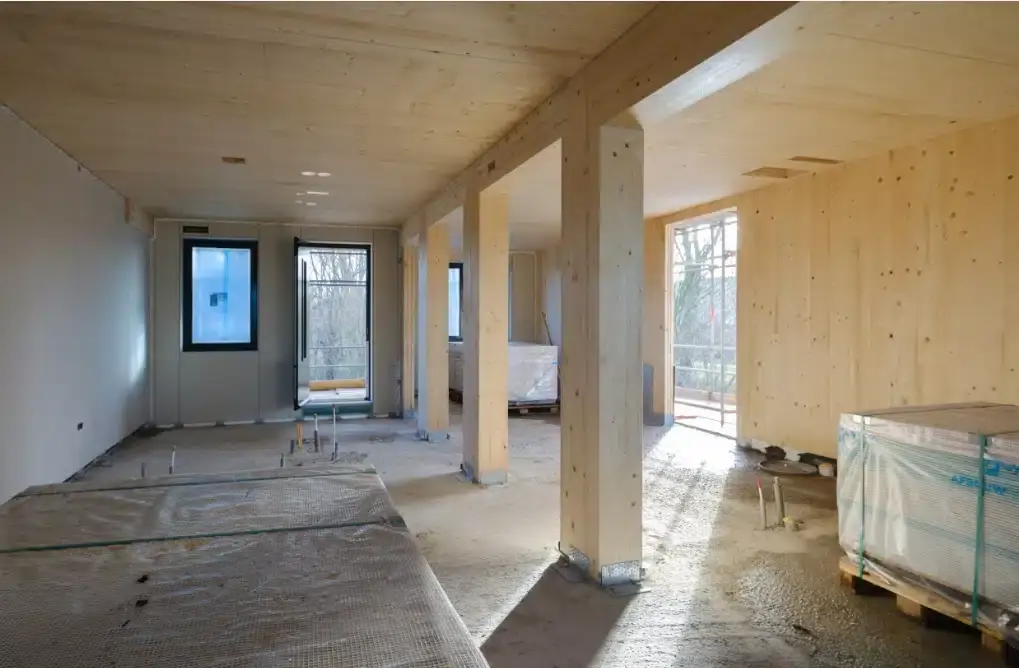
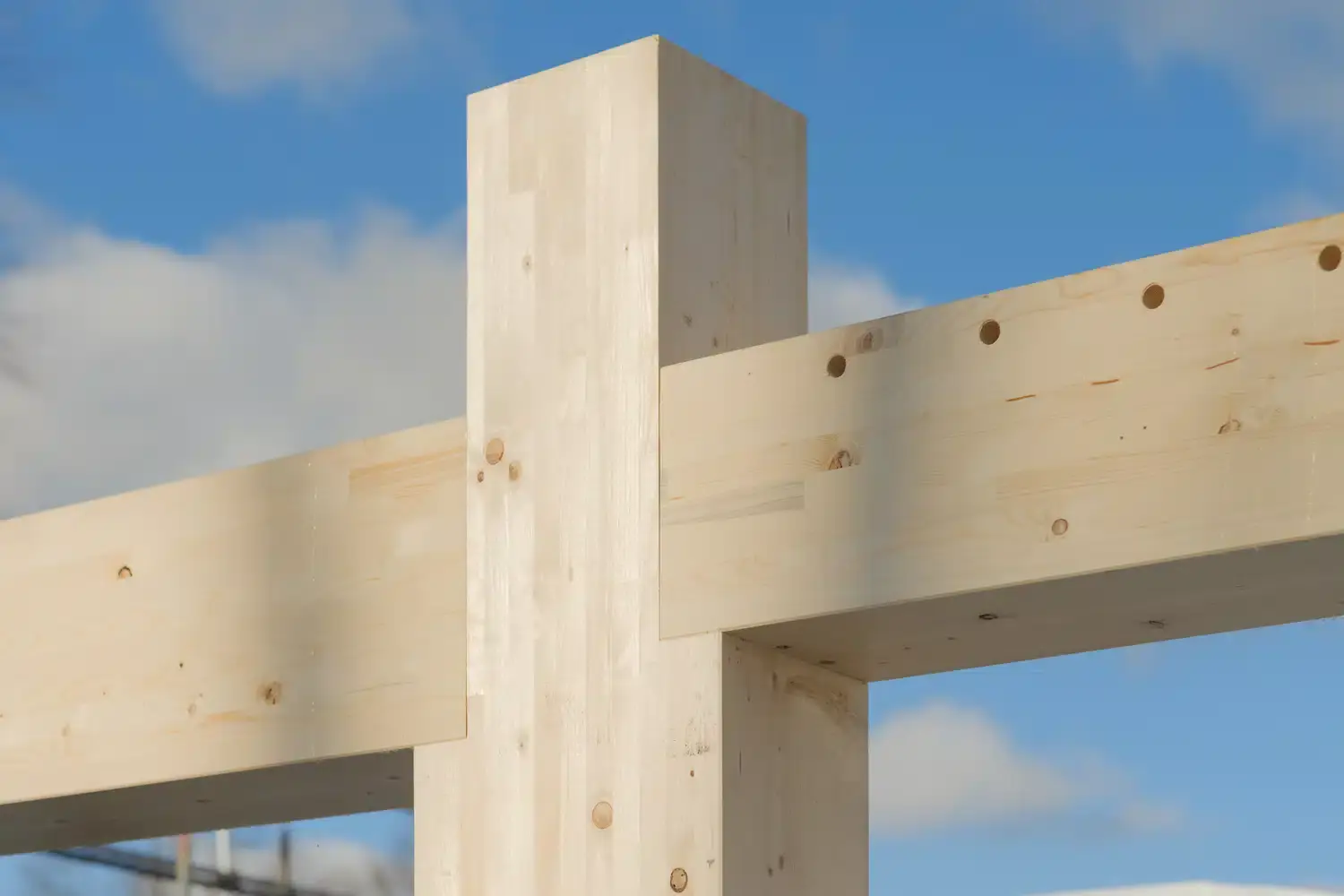
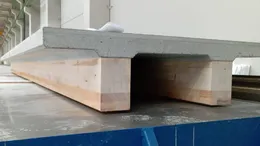
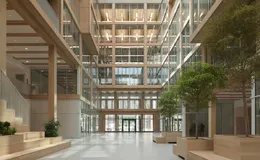
Valckensteyn harnesses the potential of cross-laminated timber, a material renowned for its strength, versatility, and sustainability. Utilizing timber for the majority of its framework showcases an innovative approach to reducing carbon footprints associated with traditional building materials. The conscious design limits the use of concrete to the central elevator shaft, ensuring the durability of the building while maintaining environmental responsibility.
This strategic use of materials represents a significant departure from conventional construction methods. By minimizing concrete usage, the building exemplifies a commitment to reducing emissions and promoting sustainable forestry practices. Cross-laminated timber offers not only ecological benefits but also contributes to a more efficient building process, with prefabricated elements reducing on-site construction time and waste.
Stefan Prins, the vision behind the design, highlights the project’s homage to the original mid-1970s Valckensteyn. By integrating modern materials with traditional building techniques, the architecture respects the site's history while opening avenues for future sustainable developments. The structural integrity is retained through this blend, ensuring it meets contemporary safety and longevity standards.
Regarded as a beacon of sustainable architecture, Valckensteyn paves the way for future projects to adopt environmentally conscious building practices, challenging developers to think creatively about the resources they use. The initiative sets a precedent that could redefine how urban landscapes are approached, prioritizing eco-friendly solutions without compromising quality or comfort for residents.
Beyond its architectural significance, the Valckensteyn building revitalizes its community, paying homage to the neighborhood’s rich heritage while providing much-needed social housing. The project’s focus on affordability ensures that green living becomes accessible, extending its benefits to a wider demographic and advocating for inclusive urban development.
The concept of a fully demountable housing block lies at the core of this development, promising adaptability and longevity. This feature not only enhances the building’s lifecycle but also allows for flexibility in addressing future housing demands. As urban areas grapple with increasing population densities, such innovative designs could offer viable solutions to accommodating residents sustainably.
Rotterdam's burgeoning status as a hub for progressive architecture is further cemented by Valckensteyn’s presence. The project embodies a holistic approach to design, where functionality meets form, and tradition merges with innovation. By creating habitable, eco-friendly spaces, it sets a new trajectory for social housing, emphasizing environmental stewardship and community well-being.
In summary, the Valckensteyn project spearheads a transformative vision for sustainable living. As an emblem of modern architecture, it accentuates the viability of cross-laminated timber in large-scale constructions and marks a pivotal evolution in housing strategies. With this landmark building, Rotterdam not only leads by example but also inspires a global discourse on sustainable urban development.