1 Jun 2026
,France
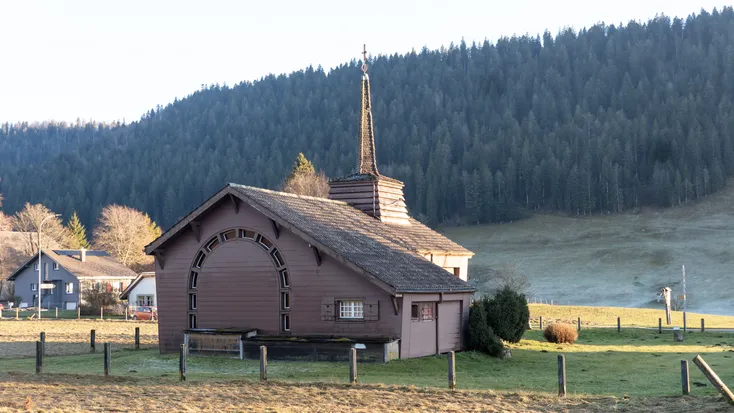
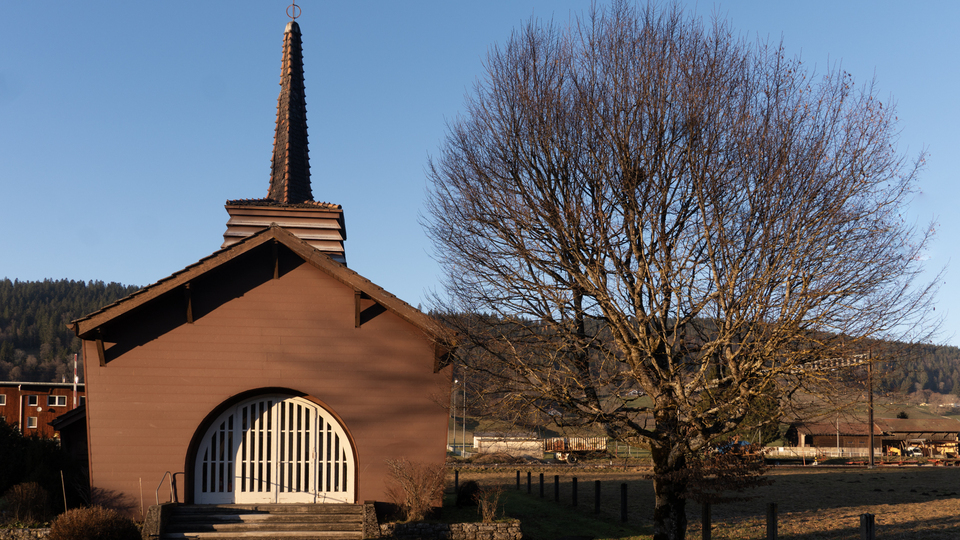
At 950 meters above sea level, in the Val de Travers, a small wooden chapel, "dear to the Catholics" of the region, is now at risk of deteriorating if its renovation does not progress quickly. Built 83 years ago, it shows clear signs of wear: an unstable bell tower, damaged tinwork, and doors and windows weathered by long, harsh winters. For its advocates, the stakes go beyond merely preserving a building: it is about safeguarding a discreet place of reflection, deeply rooted in local memory.
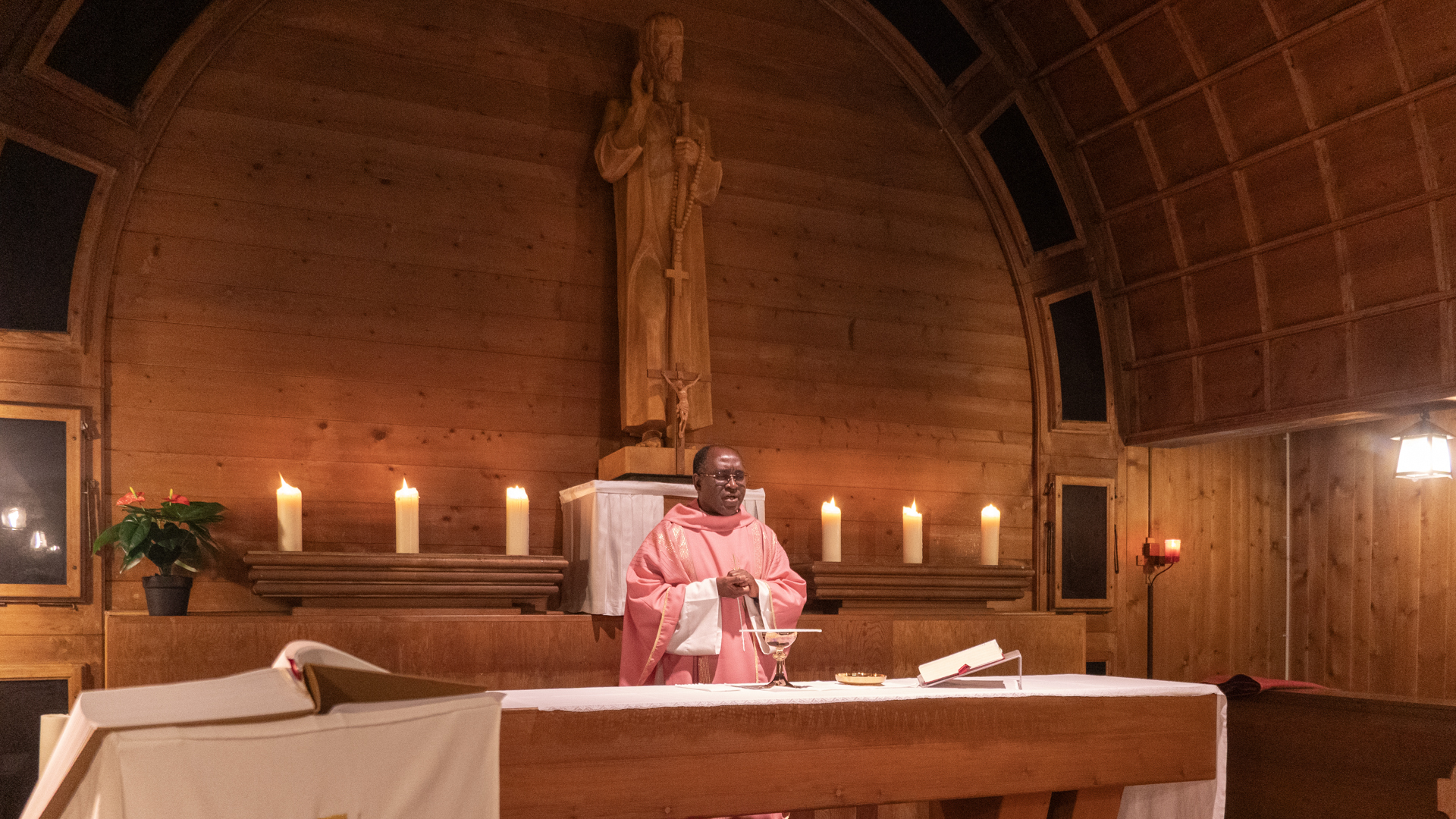
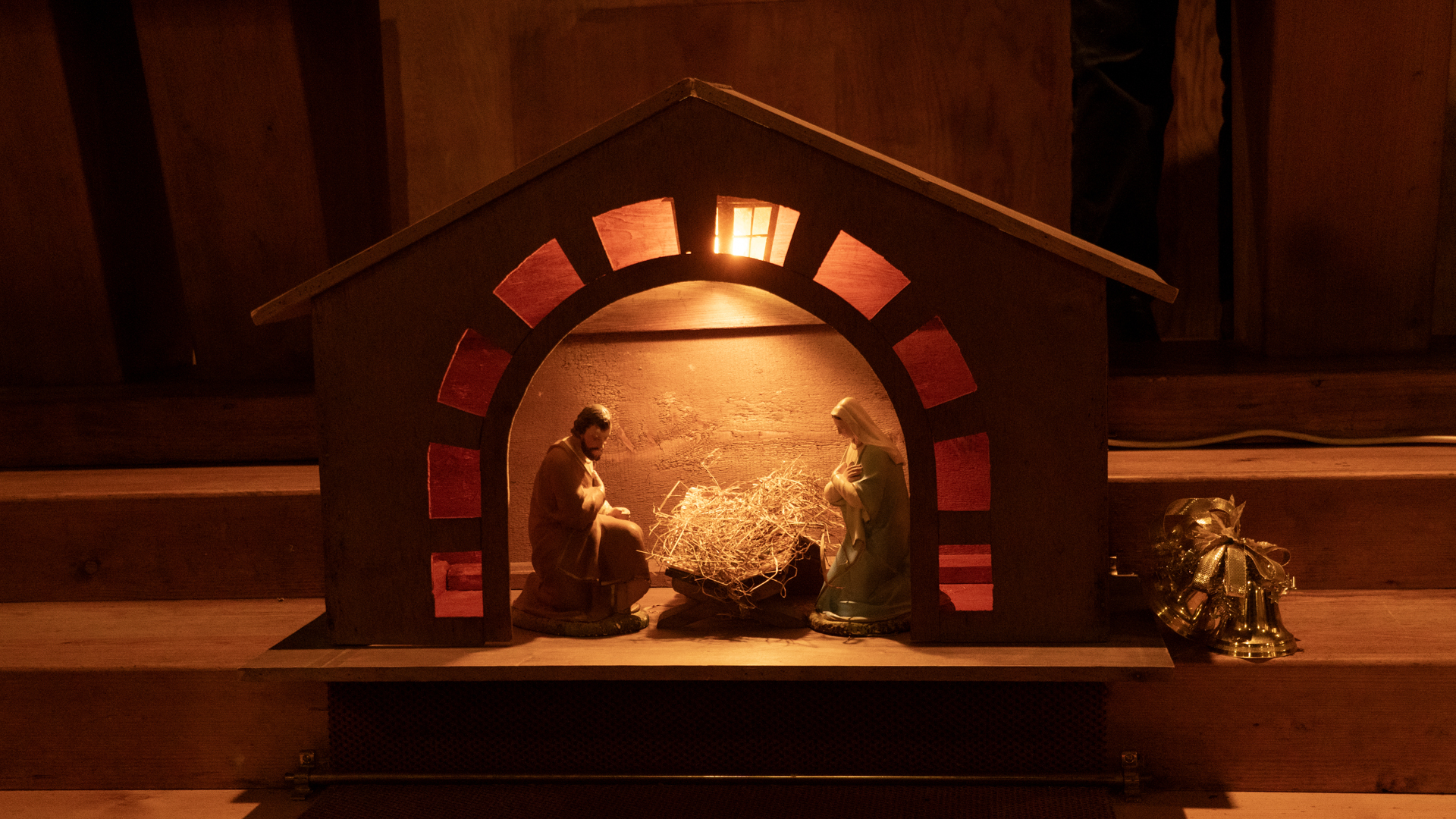
Religious practice there is now occasional: Mass is celebrated only a few times a year. However, the attachment to the chapel remains very strong. Residents speak of the unique atmosphere of this entirely wooden chapel, with its rustic and warm interior, which continues to draw visitors far beyond liturgical celebrations. A true "haven of peace," the place retains significant symbolic value for a small but devoted community loyal to its heritage.
The main obstacle remains financial. The renovation project requires around 200,000 francs to carry out the work deemed essential. The parish of Fleurier, to which the chapel belongs, supports the initiative but lacks the necessary funds. This is compounded by a particularity of the canton of Neuchâtel:
"In Neuchâtel, we do not have a mandatory church tax,"
remind the project leaders, who are forced to rely exclusively on donations and local mobilization.
The priority is the restoration of the bell tower. Additionally, the tinwork, doors, and windows need to be repaired, and minimal landscaping around the chapel is planned, including the creation of a few parking spaces to allow passing visitors to stop. Inside, the goal is to preserve the spirit of the place while making measured adjustments: "to give more centrality to the tabernacle" and, depending on available funds, to improve the lighting.
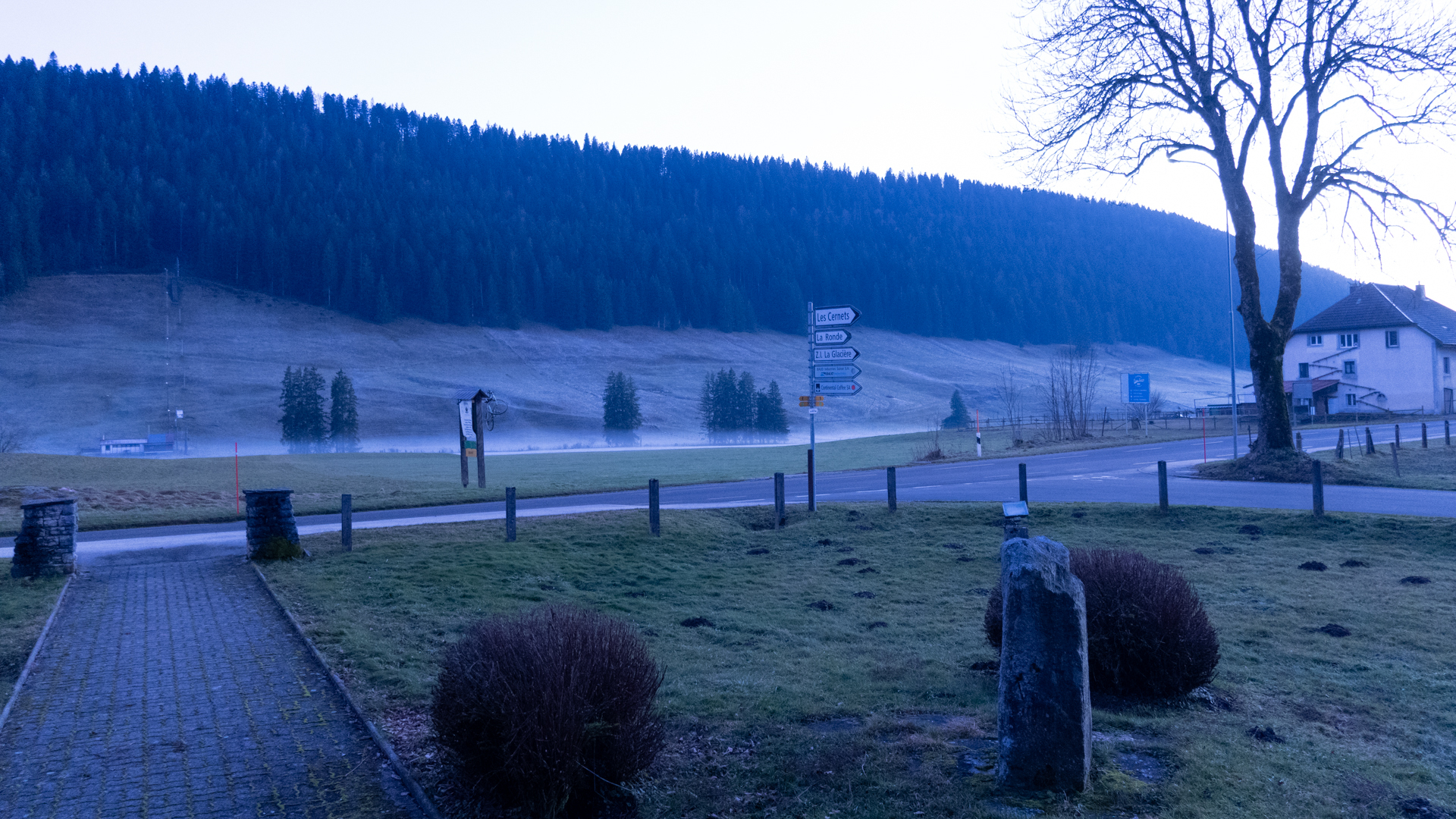
The chapel is not just a piece of built heritage: it is also a witness to a unique borderland history. The site, on the outskirts, is located just 1.5 kilometers from France. In the past, Catholic families would more readily cross the border to Les Verrières de Joux than travel down to Fleurier, eight kilometers away. However, the First World War led to the closure of border crossings, depriving the faithful of an accessible place of worship.
In the 1920s, an arrangement was made with the Little Brothers of Mary, established near the border. But changes in ownership, and especially the outbreak of the Second World War, complicated the situation. A turning point came in 1938: after a Mass, a group of men founded the "Association of Roman Catholics of Les Verrières and Les Boyards" in December, driven by the desire to finally have "a real chapel" at the heart of the village.
Solidarity made the project a reality. In 1940, the land was purchased for 1,492.50 francs. A fundraising campaign was launched, notably through the Catholic press, which emphasized that "such a tiny and poor community deserves all our sympathy." The diocese also contributed with a donation of 5,000 francs. In 1942, a budget of 33,445 francs was approved for a wooden chapel with 112 seats, with the framework prepared in Treyvaux, in the canton of Fribourg. Father Muriset celebrated the first Mass there, before the solemn blessing of the building on March 14, 1943, in the midst of war, by Bishop Marius Besson.
The chapel also holds a military memory. At Les Verrières, a camp for interned Dutch and Belgian civilians—among them about fifty Catholics—was later replaced by Polish soldiers. A second Sunday Mass was dedicated to them. A bronze plaque depicting the Virgin of Czestochowa still bears witness to this today.
After a renovation carried out in 1965, the urgency has returned today. Sixty years have passed, and local leaders are keen to prevent further deterioration of the structure. While the Catholic community of Val de Travers is likely no larger than it was in 1942, it remains determined to preserve this wooden chapel: a discreet symbol of borderland history, collective efforts, and loyalty to a place.