1 Jun 2026
,Ukraine
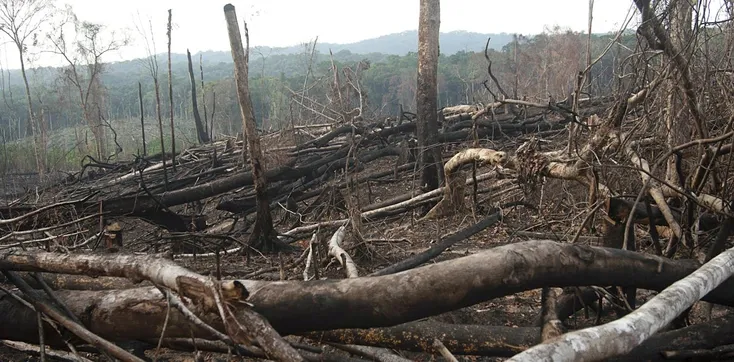
Africa's forests are vital not only to the continent itself but to global ecological health. They play an integral role in ensuring sustainable development and bolstering climate resilience. By supporting food security and contributing to poverty reduction, these forests offer a lifeline to millions across the continent. However, the high rate of deforestation threatens these benefits, necessitating urgent action from the international community.
Forests cover nearly 25% of Africa's total land area and are essential for balancing environmental, economic, and social pillars of sustainable development. They serve as biodiversity hotspots, provide livelihoods for countless communities, and act as carbon sinks that mitigate climate change. In many parts of Africa, forests are a natural safety net. They offer non-timber forest products that contribute significantly to the nutritional security of local populations.
The contributions of African forests are also far-reaching in the realm of climate change. They play a crucial role in climate regulation across the continent, affecting weather patterns, rainfall levels, and temperatures. Protecting these ecosystems is imperative for enhancing climate resilience, not just locally, but on a global scale.
As such, it is clear that the preservation and sustainable management of Africa’s forests should be a central concern of global sustainable development agendas. This requires integrating forest conservation into broader economic and environmental policies. Fostering sustainable development through enhanced forest management can help in alleviating poverty and ensuring food security across urban and rural landscapes alike.
To achieve more resilient ecosystems, collaborative efforts must be intensified to provide resources and capital essential for local communities transitioning to sustainable livelihood alternatives. This will support forest conservation while also uplifting the socioeconomic status of those who rely heavily on forest resources for survival.
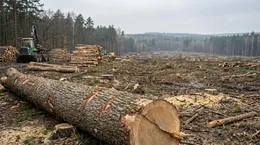
The statistics paint a dire picture for Africa's forests, with an annual loss of approximately 3.9 million hectares. The primary drivers of deforestation—agriculture expansion, fuelwood collection, logging, and mining—are intertwined with deep-rooted socioeconomic challenges such as poverty, rapid population growth, and limited alternative economic opportunities. This creates a complex challenge where environmental and human interests often clash.
The G20, representing the world’s major economies, can play a pivotal role in reversing Africa's deforestation trend. By promoting sustainable practices and supporting conservation efforts, the G20 can help create a framework for effective forest management. Sustainable agriculture, reduction in illegal logging, and promoting renewable energy over traditional fuelwood can be a starting point for such initiatives.
Moreover, the G20 can facilitate international cooperation and channel funding towards research, technology transfer, and capacity building in forest management. With its global influence, the G20 can stimulate investments in green infrastructure and create market incentives that value conservation over exploitation.
Collaboration among international bodies, African governments, and local communities is key for devising innovative solutions to combat deforestation. These partnerships can foster environment-friendly policies and practices, encourage active participation from local stakeholders, and leverage indigenous knowledge for sustainable outcomes.
In short, securing the future of Africa's forests hinges on a concerted global effort. By prioritizing sustainable development and fostering international collaboration, governments and organizations can facilitate transformation that not only conserves Africa’s precious forests but also empowers its people towards prosperity. Such efforts will yield benefits that extend beyond Africa, contributing to a more resilient planet for future generations.