1 Jun 2026
,Ukraine
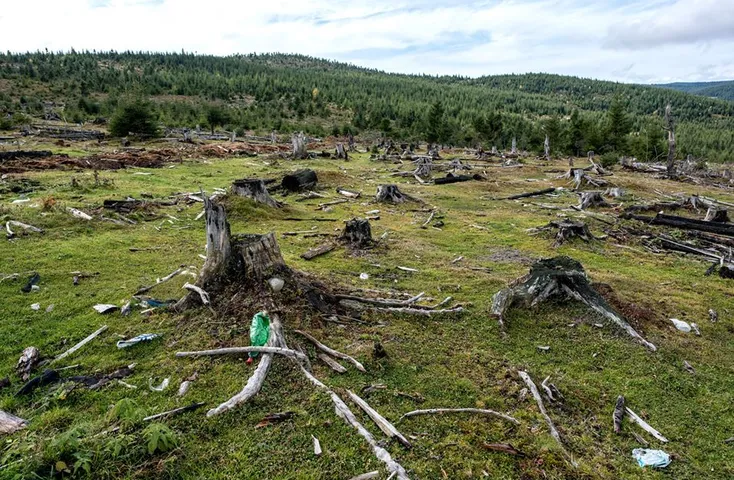
Amid growing concerns over climate change and global deforestation, the European Union is facing significant pressure from some member states to reconsider and, in certain cases, relax the proposed regulations on deforestation. Among these countries is Romania, which, alongside other nations, emphasizes economic needs and the impact on international trade relations.
The proposed EU legislation aims to reduce Europe's contribution to global deforestation by restricting imports of products such as soy, beef, and palm oil, which are known to be associated with forest loss. However, concerned member states argue that the economic effects of these stringent measures have not been adequately assessed.
In an attempt to address these concerns, the European Commission has made some preliminary concessions, such as extending the implementation deadline to 2025 and reducing the reporting requirements imposed on companies. Nevertheless, these adjustments have not been significant enough to fully alleviate the pressure on the legislation.
In the current global economic context, member states are worried that strict deforestation rules could negatively impact national economies, affecting not only domestic production but also trade relations with partners outside the European bloc. Many of them stress that the legislative approach should be flexible enough to allow adjustments to the diverse economic conditions encountered at the national level.
Romania and other countries advocate for a detailed reevaluation of the economic impact of the proposed regulations to ensure a balance between sustainability goals and economic needs. Officials from these countries believe that implementing overly strict legislation could undermine the competitiveness of their economies on the international stage, jeopardizing trade in products with high global demand.
A concrete example of this challenge is the impact on agriculture. The products targeted by the regulations, such as soy and palm oil, play a vital role in the economies of many countries, not only within the EU but also globally, where trade is becoming increasingly essential. Restricting imports of these products could create tensions with trading partners and potentially lead to trade disputes.
On the other hand, critics of the economic arguments emphasize that ignoring the long-term environmental effects could ultimately have a more devastating impact on global economies, with consequences far greater than any short-term economic losses.
The EU thus faces a significant dilemma: how to effectively support the fight against deforestation, a phenomenon that significantly contributes to climate change, without harming the economies of its member states?
Discussions are expected to continue, and the European Commission will need to navigate carefully to find a sustainable compromise that addresses the economic demands of member states without compromising the EU's essential environmental objectives. Meanwhile, pressures remain high, and negotiations are likely to play a major role in shaping future European policies on the environment and trade.