
Mondragón Opens in Álava the Largest Sawmill in Southern Europe to Lead the European Forest Industry
yesterday at 12:58
,Spain
The construction industry is undergoing a significant transformation as prefabricated housing, once associated with flimsy structures, has evolved into a modern solution characterized by advancement in technology and superior materials. This shift is redefining how people perceive prefabricated homes, often replacing the old image of fragile, temporary shelters with durable, efficient buildings that meet contemporary aesthetic and functional demands.
At the heart of this evolution is industrialized construction, where high-quality modules are produced in series, encouraging efficiency and sustainability. This method allows for homes to be built faster and with greater precision compared to traditional methods, as construction primarily occurs in a controlled factory environment. The prefabrication process reduces waste and minimizes environmental impact, making it an attractive choice for those who prioritize eco-friendly living.
Industrialized construction not only supports the production of sustainable homes but also fosters innovation in design and architecture. By utilizing sustainable materials and advanced manufacturing techniques, prefabricated homes can achieve energy efficiency that surpasses conventional structures. This is increasingly important as environmental consciousness becomes a critical factor in buyer decisions and governmental policies.
Moreover, the benefits extend beyond environmental factors. Industrialized construction reduces labor costs and time spent on-site, representing significant savings for developers. With housing demands rising globally, this construction model offers a tangible solution by accelerating the building process and delivering homes to market more swiftly.
The efficiency of this approach resonates with urban planners and policymakers looking to address housing shortages without compromising on quality or sustainability. As such, industrialized construction is gaining substantial traction, poised to reshape the future of housing and urban development.
In addition to technological advancement and industrialization, governmental support plays a pivotal role in the burgeoning prefabricated housing sector. Regional and national governments recognize the potential of prefabricated housing to fulfill housing demands sustainably. As part of its long-term development goals, the Basque Government has set an ambitious target: by 2036, 65% of public developments will incorporate prefabricated elements.
This forward-thinking strategy not only promises to alleviate housing shortages but also includes housing solutions that align with modern energy efficiency standards. Similarly, the Spanish government has pledged a substantial investment—1.3 billion euros over the next decade—to bolster prefabricated housing, underscoring its commitment to this innovative construction model. By investing in such projects, governments create an environment for growth and encourage private sector involvement in exploring sustainable housing solutions.
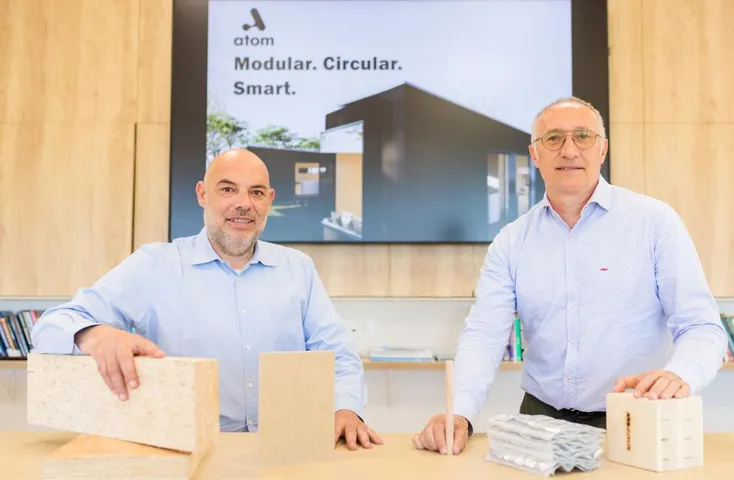
Innovative startups are emerging as frontrunners in this revitalized industry, pushing the boundaries of what prefabricated housing can achieve. Atom Modular, founded by architect Ignasi Pérez Arnal and engineer Roger Buxadé, exemplifies this movement. Emphasizing innovation, Atom Modular focuses on developing modular homes that cater to contemporary needs while maintaining sustainability as a core principle. Startups like Atom Modular not only contribute unique ideas and strategies but also play a crucial role in demonstrating the feasibility and desirability of prefabricated housing.
The integration of state support and entrepreneurial innovation highlights a collaborative effort to revolutionize housing construction. Government endorsements instill confidence amongst consumers and investors, fostering a favorable market environment for prefab homes. As the industry continues to evolve, the collaboration between public sectors and innovative companies remains critical in driving progress and ensuring sustainable urban development.
In conclusion, the evolution of prefabricated housing combines technological advancements, industrialized construction, governmental support, and innovative entrepreneurship to redefine modern housing. As perceptions shift and the benefits of prefabrication become increasingly clear, this construction method is likely to play a major role in meeting global housing needs sustainably and efficiently.