
1 Jun 2026
,Australia
Tasmania, known for its breathtaking landscapes and rich biodiversity, is at the heart of a heated debate surrounding the logging of its native forests. The island's vast expanses of ancient eucalyptus trees stand as a testament to nature's grandeur, serving as both crucial habitats for wildlife and instrumental carbon sinks in the fight against climate change. However, these ecological powerhouses are under pressing threat from legal logging activities that have sparked a wave of environmental advocacy and public outcry.
The ecological significance of Tasmania's native forests cannot be overstated. The island is home to some of the world's tallest and oldest trees, particularly the ancient eucalyptus forests that are critical for maintaining biodiversity. These forests are not just scenic backdrops but are fundamental in supporting a myriad of species, some of which are not found anywhere else on Earth. Furthermore, these vast woodlands play a pivotal role in carbon sequestration, helping to mitigate the effects of climate change by storing carbon that would otherwise be released into the atmosphere.
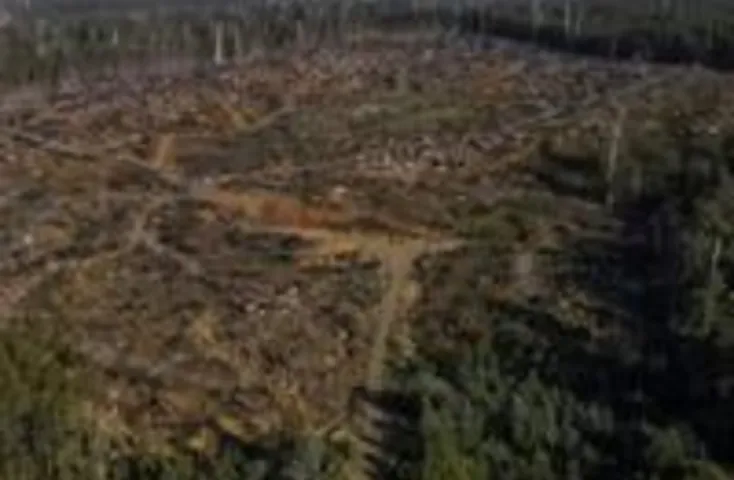
Despite this, the logging of native forests in Tasmania is legally sanctioned, creating a contentious divide between the interests of the logging industry and environmental conservation. Large tracts of pristine forest have been systematically cleared, reducing an irreplaceable natural resource to mere stumps and leaving the ecosystem vulnerable. The legal framework surrounding logging operations continues to permit such practices, despite evidence suggesting that their ecological cost far outweighs the economic benefits derived from them.
The removal of ancient trees poses significant threats to biodiversity, as it disrupts habitats and the intricate balance of local ecosystems. The repercussions are far-reaching, not only disturbing the immediate area but also setting off a cascade of ecological changes that could potentially alter the island's natural landscape for generations.
Environmental groups, including the reputable Bob Brown Foundation, are raising alarms about the continued logging of Tasmania’s native forests. They emphasize the irreparable damage such activities can inflict on the local environment and further afield. The release of stored carbon from deforestation is a particular concern, as it directly contradicts global efforts to combat climate change by increasing greenhouse gas levels.
This ongoing environmental degradation has spurred a debate centered around the legal permission for logging, highlighting the urgent need for legislative reform. Critics argue that the laws permitting native forest logging fail to consider the long-term environmental impacts and the ethical responsibility to safeguard these natural treasures.
Calls for stricter regulations have intensified, with activists demanding changes that would enforce the preservation of Tasmania’s ancient forests. This push for reform is not solely an environmental issue but also a moral one, reflecting a broader societal shift towards sustainability and conservation. The clash between the economic incentives of the logging industry and the environmental necessity of conservation remains a complex and multifaceted challenge.
In response to the growing activism, public awareness campaigns have gained momentum, aimed at educating communities about the importance of preserving Tasmania’s forests. Through these efforts, there is hope that future generations will inherit a landscape still defined by its ancient trees and rich ecosystems rather than the scars of deforestation.
The ongoing efforts by environmentalists and concerned citizens alike underscore the critical need for a reevaluation of priorities—placing ecological preservation at the forefront. As the debate presses onward, the fate of Tasmania’s majestic forests hangs in balance, reminding us of the delicate interplay between human actions and natural ecosystems.