1 Jun 2026
,Ukraine
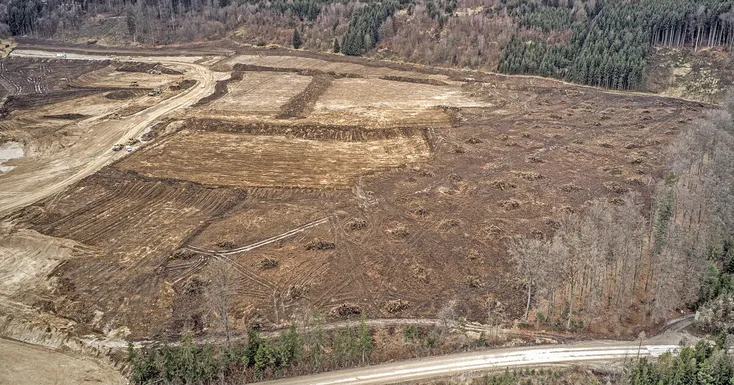
Austria is known for its impressive forests, which cover nearly half of the country. With a forest share of 48%, forestry plays a central role in the Austrian economy and environmental protection. Especially in the regions of Styria and Carinthia, with forest shares of 62% and 61% respectively, the forest is a defining element of the landscape. The importance of forestry extends beyond mere nature conservation, as it creates around 320,000 jobs and represents a significant economic factor.
Despite the strong position that forestry holds in Austria, businesses repeatedly face economic and structural challenges. The "Land&Forst Betriebe Österreich" have not only highlighted the current performance of the industry in their report but also emphasized the urgent need for reliable political frameworks to secure the sector in the long term. This security is crucial due to the diverse challenges, which include climate change, economic uncertainties, and the increasing pressure from imported wood products.
The organization calls on policymakers for decisive action to stabilize the forestry sector. Without clear and sustainable political support, the entire industry is at risk in the medium term. A lack of political backing could lead to job losses and a reduction in the economic strength of this sector. The demand is for long-term strategies that ensure the sustainable operation and preservation of forests.
Reliable political frameworks and support measures could help address the challenges facing forestry more effectively and improve the sustainability of the industry. This includes both legal regulations and the protection and promotion of investments in new technologies and sustainable practices.
Large forestry enterprises play a crucial role in this context. They manage more than a quarter of Austria's total forest area and are essential for the stability of the sector. Their structure and commitment are a central pillar in making forestry both resilient and profitable.
Conditions and challenges also vary significantly by region. In urban areas like Vienna, where the forest share is only 23%, urban foresters and environmental organizers are tasked with protecting and preserving forests despite limited space. This demonstrates that even in urban areas, forests hold central importance and contribute to the ecological balance of cities.
In conclusion, it can be said that Austria's forestry is at a critical juncture. Political measures, adaptation to climate change, and investments in new technologies are necessary to ensure the survival of this vital industry and to preserve Austria's natural wealth. The balance between economic success and ecological preservation can only be achieved if all stakeholders—from politics and business to citizens—work together and recognize the importance of forests.