yesterday at 12:29
,Germany
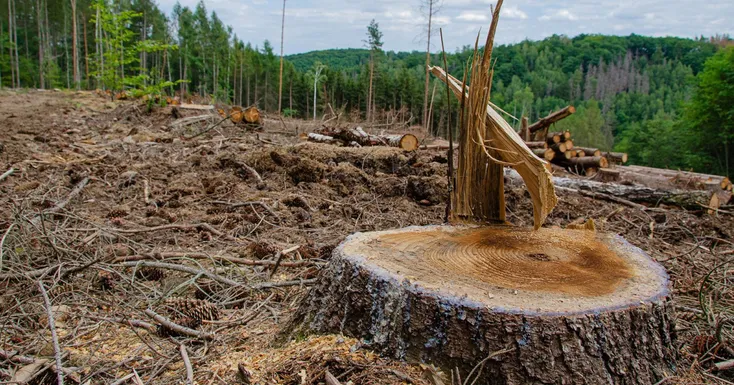
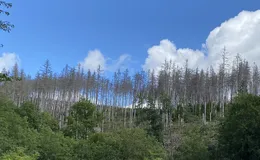
The scale of global forest cover loss is staggering. According to research by the World Resources Institute and Google DeepMind, which utilized cutting-edge artificial intelligence technologies, one-third of all forests lost since 2001 have been irreversibly destroyed. This is a disheartening situation, as a significant portion of the planet's forest cover, which supports biodiversity, climate stability, and socio-economic needs, can no longer be naturally restored.
Thanks to the use of satellite imagery and the capabilities of artificial intelligence, scientists have, for the first time, been able to not only clearly identify where forests are disappearing but also determine the causes of these losses. According to Euronews, this approach provides a new level of accuracy in data collection and analysis. This is critically important for effective planning and implementation of forest conservation strategies in the future.
Overall, from 2001 to 2024, 177 million hectares of forest cover were lost. Of this area, 34% of the territories are unlikely to recover naturally. This poses a serious challenge to the global community, which must be taken into account in programs aimed at combating climate change and restoring ecosystems.
The primary cause of irreversible forest loss is agriculture. The demand for new agricultural land leads to the conversion of large forest areas into cropland, pastures, and plantations. This is particularly relevant in tropical regions, where agricultural expansion often disregards ecological consequences.
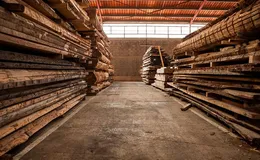
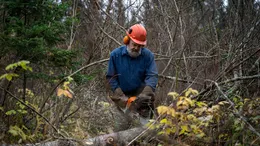
On the other hand, in Europe, the main driver of forest loss is timber harvesting. In this region, the traditionally high demand for wood for various industrial needs drives deforestation, although regulatory and environmental restrictions often help promote forest restoration.
Another systemic factor contributing to global forest loss is the ongoing change in land use designation. The creation of new cities, industrial complexes, and infrastructure requires significant areas, which are often taken out of forest reserves.
Considering the pandemic and economic challenges, the issue of forest conservation will remain at the intersection of environmental and socio-economic interests. The global community must respond promptly to these challenges, utilizing data from modern research and collaborating internationally to develop effective environmental strategies.