Mondragón Opens in Álava the Largest Sawmill in Southern Europe to Lead the European Forest Industry
yesterday at 12:58
,Spain
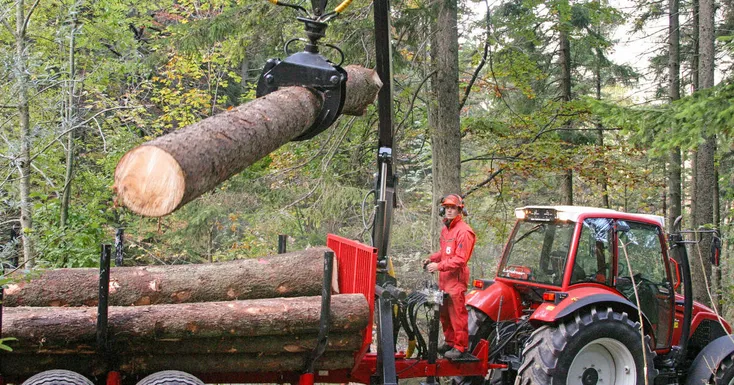
Sawmills are sounding the alarm: Many operations are facing an acute shortage of roundwood. Capacities remain unused, and some companies are already cutting shifts. If the situation worsens further, short-time work and, in a next step, layoffs threaten – ironically at a time when average prices per cubic meter of softwood logs have reached record levels.
In the mills, several burdensome factors are currently colliding: high fixed costs, expensive roundwood, and rising production costs are juxtaposed against a weak sawn timber market with low selling prices for nearly three years. Industry representatives warn of significant economic damage if facilities cannot be fully utilized. The bottleneck is not just a regional issue: Sawmill operators report similar difficulties in wood supply nationwide and even abroad.
The situation is particularly critical from the perspective of the companies because a reduction in staff could have long-term consequences. Skilled workers who are put on short-time work or leave the company may not be available later – for instance, for tasks considered central to forestry, such as climate-resilient forest conversion and the management of potential calamities. Especially after storms, bark beetle infestations, or snow damage, the industry quickly needs high cutting capacities again. If these structures are lost, they can only be rebuilt with great effort and expense.
Against this backdrop, the FVN calls on forest owners to take advantage of the currently high wood prices: to actively manage their forests, harvest timber, and convert forests to be more climate-resilient. The goal is a controlled reduction of standing stock, which enables revenue while also financing investments in stabilizing the forest stands.
According to industry statements, sawmills assure that they can currently transport wood quickly and pay attractive prices for it. Transport and harvesting capacities are also said to be sufficiently available. At the same time, they warn against false security: Wood prices cannot rise indefinitely, and a major damage event could abruptly end the current price surge at any time.
For additional planning certainty, the FVN points to existing framework agreements with buyers, some of which extend into the coming year and are secured by guarantees such as bank bonds. Regular supply is also strategically important: Those who deliver reliably will be perceived as long-term partners – a benefit for both forest owners and the industry.
Harvest planning and marketing should be organized through the relevant forest owner association or a forestry cooperative. Typically, the process includes making contact, joint planning, harvesting, as well as the transport and marketing of the wood.
There is also political support for more activity in the forest. Industry voices say that one should
“dare to cut healthy trees as well”
– because both the sawmill industry and the construction sector depend on a stable and continuous flow of wood.
In summary, the message is clear: Harvest and deliver now to secure jobs in the mills, finance forest conversion, and maintain industrial structures. If the wood flow dries up, production cutbacks or even closures loom – a structural breakdown that would become painfully evident at the latest during the next major calamity.